
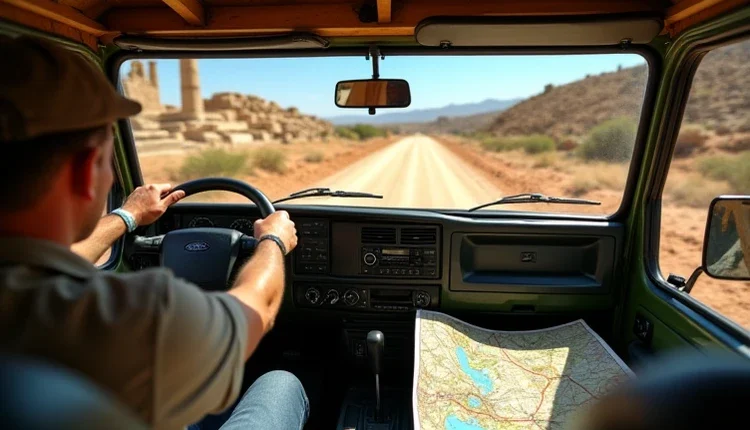
Automobile routes for archaeologists
🏺 From Past to Present: A Journey to Archaeological Wonders
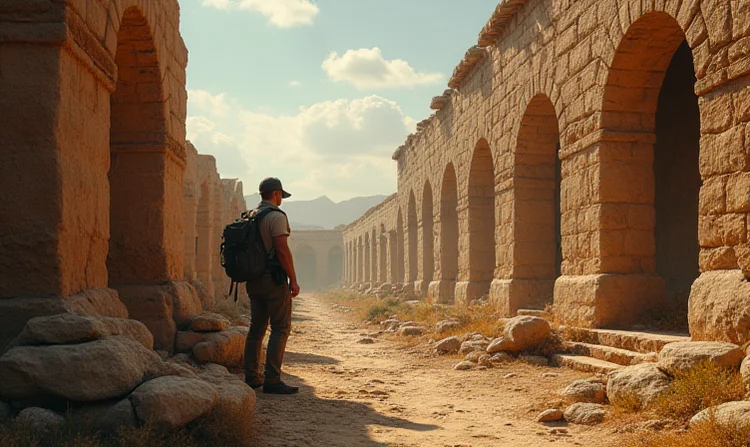
For archaeologists and history buffs, a road trip can be a true adventure through time. From archaeological sites to excavation sites, these routes will open the door to the past and allow you to explore historical sites. Start your exploration by choosing the right accessories . Choose accessories for your archaeological road trip here.
🏛️ Visiting archaeological sites
Study of ancient civilizations
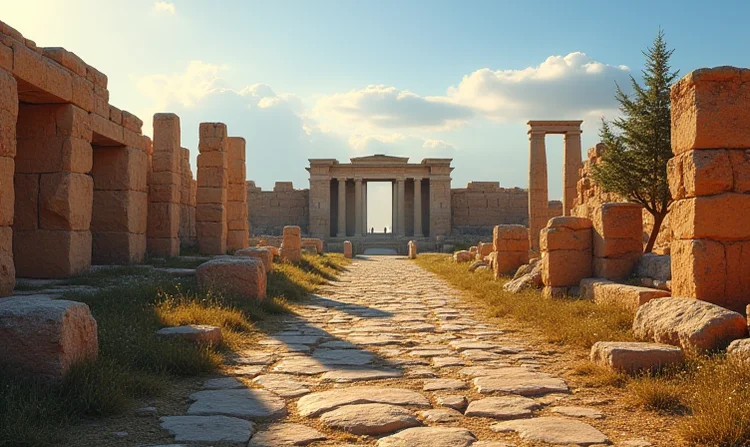
When planning your route, include a visit to places where the secrets of ancient civilizations are revealed. This could be Pompeii in Italy, Petra in Jordan or Machu Picchu in Peru. Each of these places holds unique history and archaeological finds.
Opening of local archaeological sites
Don't forget about local archaeological sites. Many countries have their own unique historical sites that may not be as well known, but are no less important for understanding history and culture.
📜 Research of historical sites and excavations
Participation in archaeological excavations
If you have the relevant qualifications or an interest in archaeology, try taking part in an archaeological dig. Many projects welcome volunteers and offer unique hands-on experience at historic sites.
Visiting museums and exhibitions
Museums and exhibitions often complement visits to archaeological sites, offering a deeper understanding of history and culture. They can provide context and detailed descriptions of artefacts found.
🗺️ Route planning for archaeological research
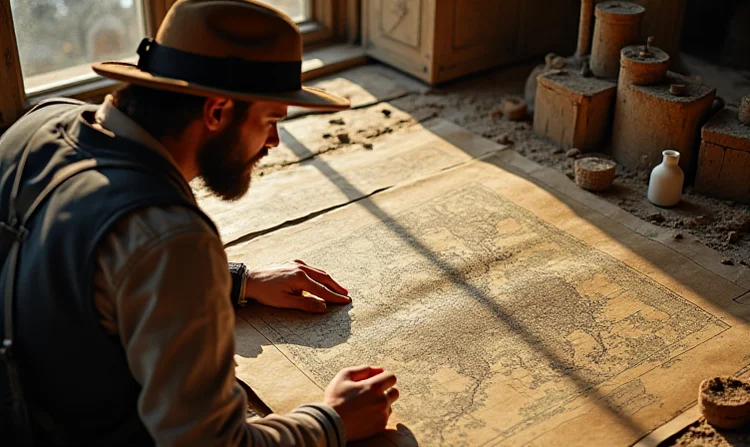
Studying historical maps
Before your trip, study historical maps and excavation plans to better understand the location and significance of archaeological sites. This will help you plan the best route and identify key points to explore.
Including a variety of locations in the route
Try to include different types of archaeological sites in your itinerary, from ancient cities and temples to lesser-known but significant historical sites. This will give you a more complete picture of the diversity of ancient cultures.
📖 Learning and expanding knowledge on the go
Attending lectures and seminars
Many archaeological sites host lectures and workshops where you can learn more about the history and significance of the artefacts found. This is a great opportunity to learn and share knowledge with other archaeologists and historians.
Reading specialized literature
Prepare a list of specialized literature and research related to the places you plan to visit in advance. Reading scientific papers and archaeological reports on the road can greatly enrich your understanding of these places.
📸 Photographing and documenting archaeological finds
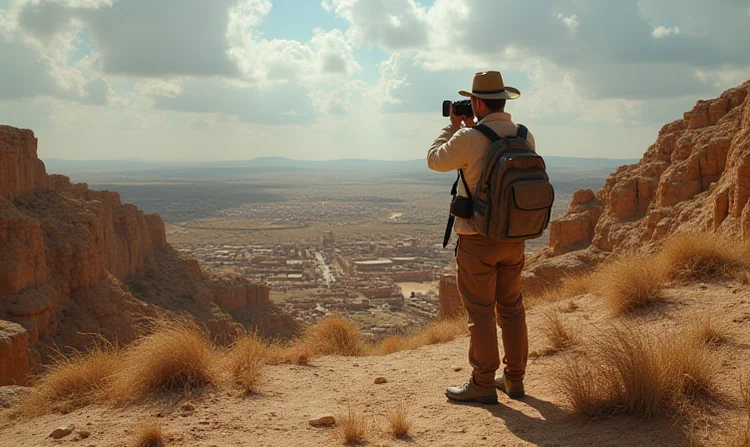
Creating a photographic archive
Taking photographs of archaeological finds and monuments can help you create a personal archive and immortalize your discoveries. This can be useful not only for personal memories, but also for future research.
Taking notes and observations
Keep a diary of your observations and notes about the places you visit. This will help you organize the information and share your discoveries with other archaeology enthusiasts and professionals.
🌟 Connecting the past and present through archeology
Evaluation of historical significance
Visiting archaeological sites and participating in excavations allows you not only to see historical artifacts, but also to appreciate their significance in the context of the modern world and human history.
Exchange of knowledge and experience
Travel is also an opportunity to exchange knowledge and experiences with other archaeologists, historians and enthusiasts. Take part in discussions, workshops and events to share your ideas and learn new things.
🌐 Expanding the Boundaries: Exploring International Archaeological Sites
Research of global civilizations
Expand your horizons by exploring archaeological sites across countries and continents. From the pyramids of Egypt to the ancient temples of South America, each region of the world holds unique evidence of past civilizations.
Joint international excavations
Participation in international archaeological projects and excavations can provide new opportunities for professional growth and exchange of experience with colleagues from other countries.
📚 Conclusions and recommendations for archaeological travelers
Preservation and respect for history
When visiting archaeological sites, it is important to remember about their preservation for future generations. Follow the rules and recommendations at excavation sites and in museums.
Share your discoveries
Share your knowledge and experience with others. Whether through social media, blogging, or scientific publications, your contributions can inspire others to explore and discover new things.
Archaeological car travel offers unique opportunities to explore the past, understand history and cultures. Each trip can become a new step in understanding ancient civilizations and the development of archaeological science. Don't forget to prepare for your next adventure by choosing the necessary accessories here.
