
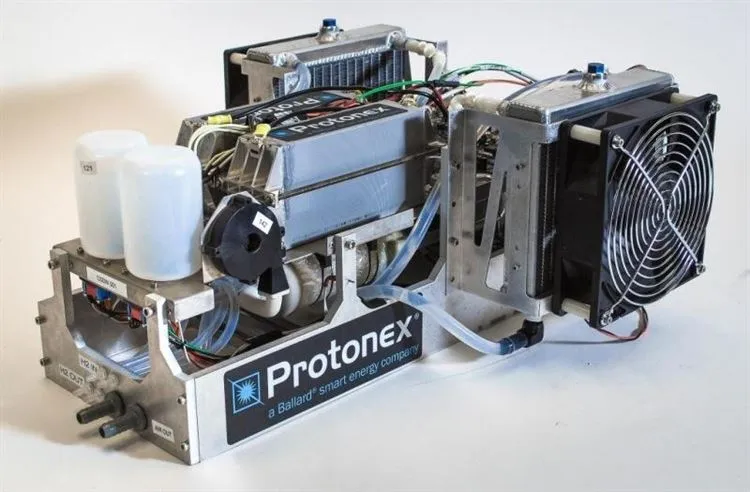
Hydrogen fuel cell: description, characteristics, principle of operation, photo
A fuel cell is a device that efficiently generates heat and direct current through an electrochemical reaction and uses hydrogen-rich fuel. Basically, it is similar to a battery. Structurally, the fuel cell is represented by a cathode, an anode and an electrolyte. How wonderful is that? Unlike batteries themselves, hydrogen fuel cells do not store electricity, do not need electricity to recharge, and do not discharge. The cells continue to generate electricity as long as they have air and fuel in them.
Peculiarities
Fuel cells differ from other power generators in that they do not burn fuel during operation. Thanks to this feature, they do not need high pressure rotors, they do not emit strong noises and vibrations. Electricity in fuel cells is generated by a silent electrochemical reaction. The chemical energy of the fuel in such devices is converted directly into water, heat and electricity.
Fuel cells are very efficient and do not emit large amounts of greenhouse gases. The product emitted during cell operation is a small amount of water in the form of steam and carbon dioxide, which is not released if pure hydrogen is used as fuel.
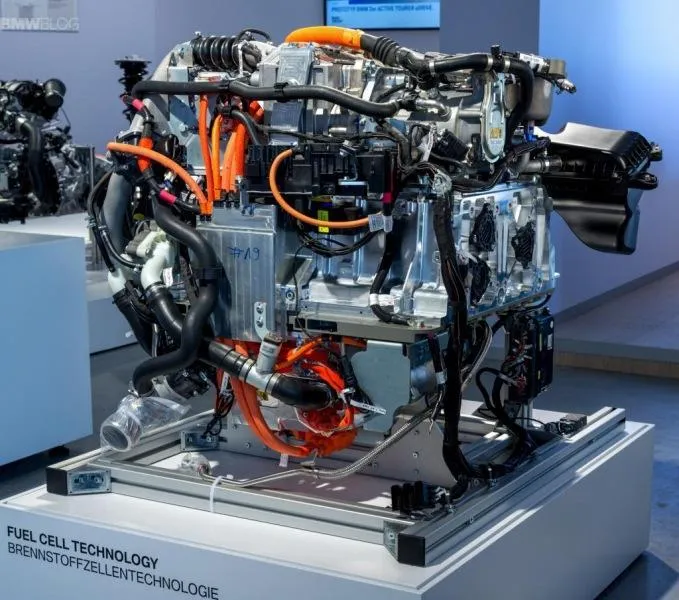
History of appearance
In the 1950s and 1960s, NASA's growing need for power sources for long-range spaceflight led to one of the most important fuel cell challenges in existence at the time. Alkaline cells use oxygen and hydrogen as fuel, which, during an electrochemical reaction, are converted into useful by-products during space flight: electricity, water, and heat.
Fuel cells were first discovered in the early 19th century, in 1838. At the same time, the first information about their effectiveness appeared.
Work on fuel cells using alkaline electrolytes began in the late 1930s. Cells with nickel-plated high pressure electrodes were not invented until 1939. During World War II, British submarine fuel cells were developed, consisting of alkaline elements about 25 centimeters in diameter.
Interest in them increased in the 1950s-1980s, which were characterized by a shortage of fuel oil. Countries around the world have begun to tackle air and environmental pollution by trying to develop environmentally friendly ways to generate electricity. Fuel cell technology is currently under active development.
Principle of operation
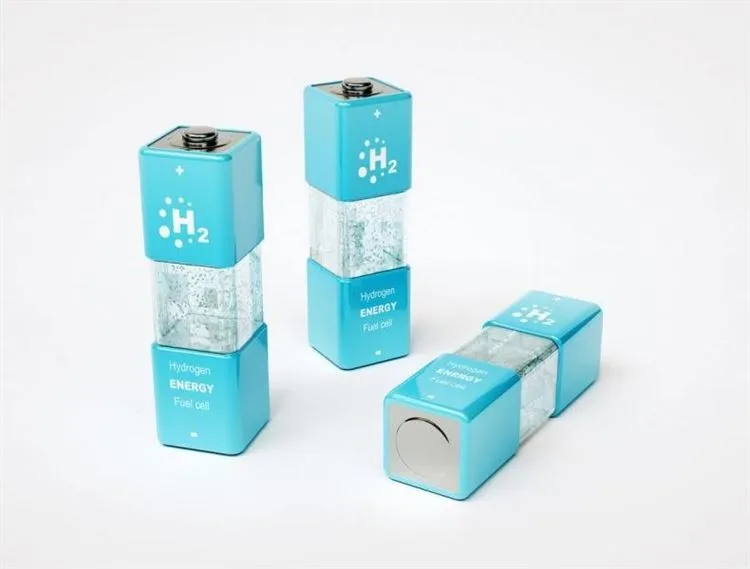
Heat and electricity are produced by fuel cells through an electrochemical reaction that uses a cathode, an anode, and an electrolyte.
The cathode and anode are separated by a proton-conducting electrolyte. After supplying oxygen to the cathode and hydrogen to the anode, a chemical reaction is started that produces heat, current and water.
Molecular hydrogen dissociates on the anode catalyst resulting in the loss of electrons. Hydrogen ions enter the cathode through the electrolyte, while the electrons pass through the external electrical network and create a direct current that is used to power the equipment. The oxygen molecule on the cathode catalyst combines with an incoming electron and proton, eventually forming water, which is the only product of the reaction.
Types
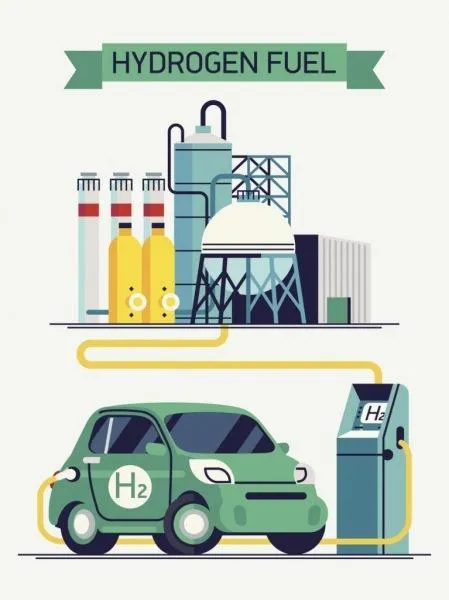
The choice of a particular type of fuel cell depends on its application. All fuel cells fall into two main categories: high temperature and low temperature. The latter use pure hydrogen as fuel. Such devices typically require the conversion of primary fuel to pure hydrogen. The process is carried out on special equipment.
High-temperature fuel cells don't need them because they convert the fuel at high temperatures, eliminating the need for a hydrogen infrastructure.
The principle of operation of hydrogen fuel cells is based on the conversion of chemical energy into electrical energy without inefficient combustion processes and on the conversion of thermal energy into mechanical energy.
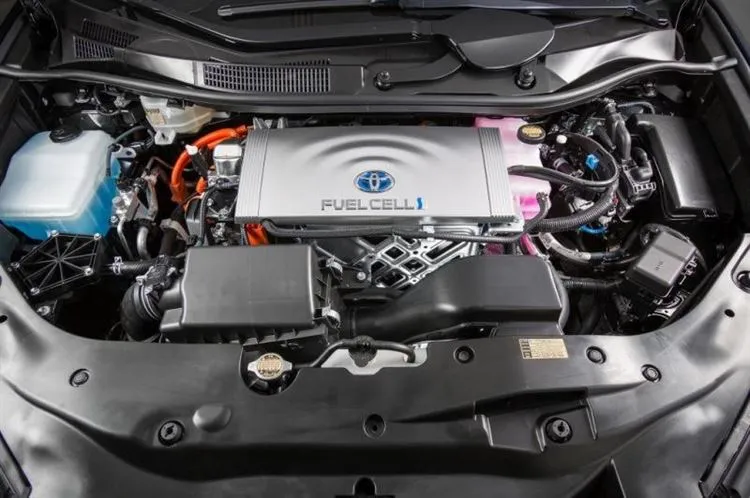
General concepts
Hydrogen fuel cells are electrochemical devices that generate electricity by highly efficient “cold” fuel combustion. There are several types of such devices. The technology of hydrogen-air fuel cells equipped with a PEMFC proton-exchange membrane is considered to be the most promising.
A polymer membrane with proton conductivity is designed to separate two electrodes: cathode and anode. Each of them is represented by a carbon matrix on which the catalyst is deposited. Molecular hydrogen dissociates on the anode catalyst, donating electrons. Cations pass to the cathode through the membrane, but electrons are transferred to the external circuit, since the membrane is not designed to carry electrons.
An oxygen molecule on a cathode catalyst combines with an electron from an electrical circuit and an incoming proton, eventually forming water, which is the only product of the reaction.
Hydrogen fuel cells are used to produce membrane-electrode assemblies, which serve as the main generating elements of the energy system.
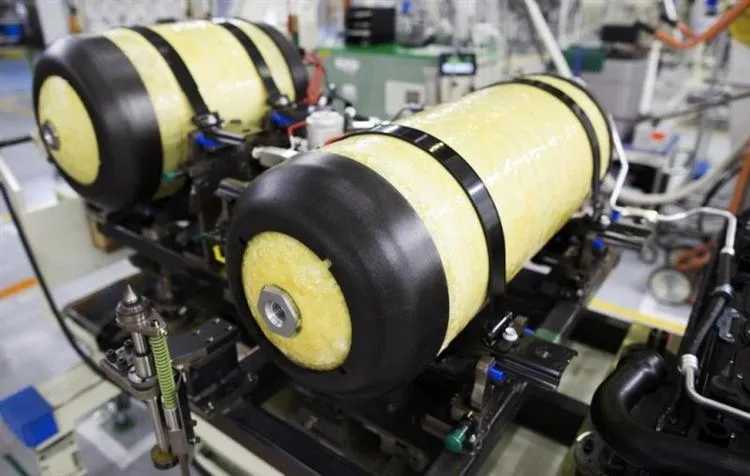
Advantages of hydrogen fuel cells
Among them should be highlighted:
- Increase in specific heat capacity.
- Wide operating temperature range.
- No vibration, noise or heat.
- Cold start reliability.
- Lack of self-discharge, which guarantees a long period of energy storage.
- Unlimited autonomy thanks to the ability to regulate energy consumption by changing the number of fuel cartridges.
- Ensuring almost any energy intensity by changing the storage capacity of hydrogen.
- Long term.
- Quiet and environmentally friendly operation.
- High energy consumption.
- Resistance to foreign impurities in hydrogen.
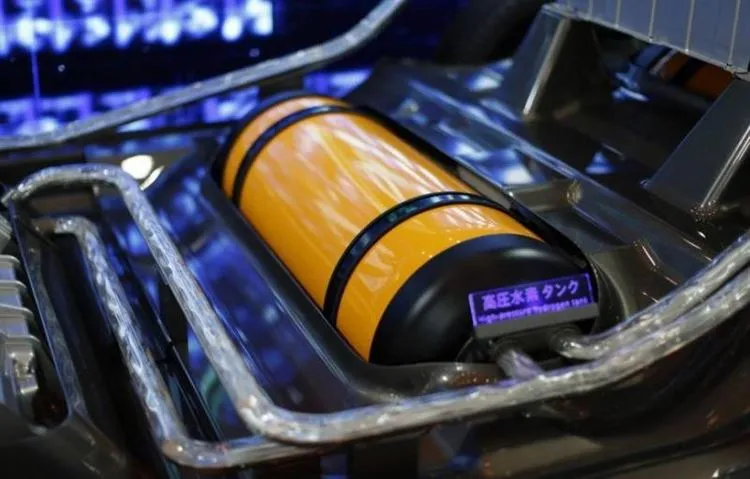
Application area
Due to their high efficiency, hydrogen fuel cells are used in various fields:
- Portable chargers.
- Power systems for UAVs.
- UPS.
- Other devices and equipment.
Prospects for hydrogen energy
The widespread use of fuel cells based on hydrogen peroxide will become possible only after the creation of an effective method for producing hydrogen. New ideas are needed for the active use of this technology, with great hopes placed on the concept of biofuel cells and nanotechnology. Several companies have released relatively efficient catalysts based on various metals, at the same time, information has appeared on the creation of membraneless fuel cells, which has significantly reduced production costs and simplified the design of such devices. The advantages and characteristics of hydrogen fuel cells do not outweigh their main disadvantage – high cost, especially compared to hydrocarbon devices. The construction of a hydrogen power plant requires at least $500,000.
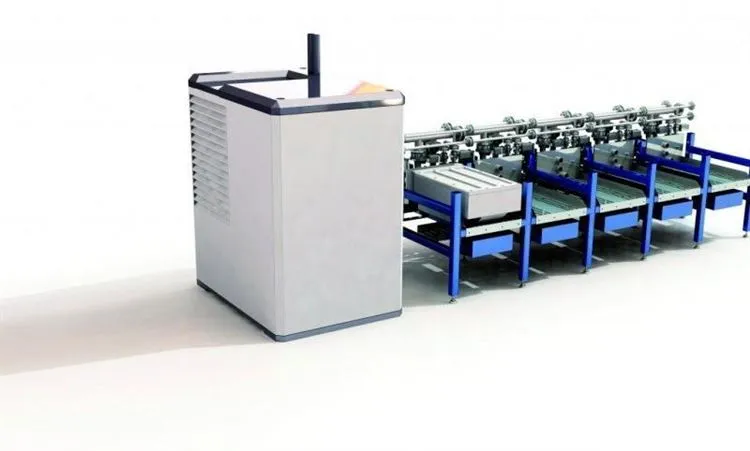
How to build a hydrogen fuel cell?
A low-power fuel cell can be created by yourself in a typical home or school laboratory. The materials used were an old gas mask, pieces of Plexiglas, an aqueous solution of ethyl alcohol and alkali.
The body of the hydrogen fuel cell is handcrafted from Plexiglas at least five millimeters thick. The partitions between the compartments can be thinner – about 3 millimeters. Plexiglas is glued with special glue based on chloroform or dichloroethane and plexiglass shavings. All work is carried out only when the hood is running.
A hole with a diameter of 5-6 centimeters is made in the outer wall of the case, into which a rubber stopper and a glass drain tube are inserted. Activated carbon from a gas mask is poured into the second and fourth compartments of the fuel cell housing – it will be used as an electrode.
Fuel will circulate in the first chamber, and the fifth will be filled with air, from which oxygen will flow. The electrolyte poured between the electrodes is impregnated with a solution of paraffin and gasoline so that it does not enter the air chamber. Copper plates are placed on a layer of coal with wires soldered to them, through which current will be diverted.
Vodka diluted with water in a ratio of 1: 1 is filled into the assembled hydrogen fuel cell. Potassium hydroxide is carefully added to the resulting mixture: 70 grams of potassium are dissolved in 200 grams of water.
Before testing a fuel cell on hydrogen, the fuel is poured into the first chamber, and the electrolyte is poured into the third. The readings of the voltmeter connected to the electrodes should be between 0.7 and 0.9 volts. To ensure continuous operation of the cell, it is necessary to drain the spent fuel and fill in new fuel through a rubber hose. Pressing on the hose adjusts the fuel delivery rate. Such homemade hydrogen fuel cells have little power.
