
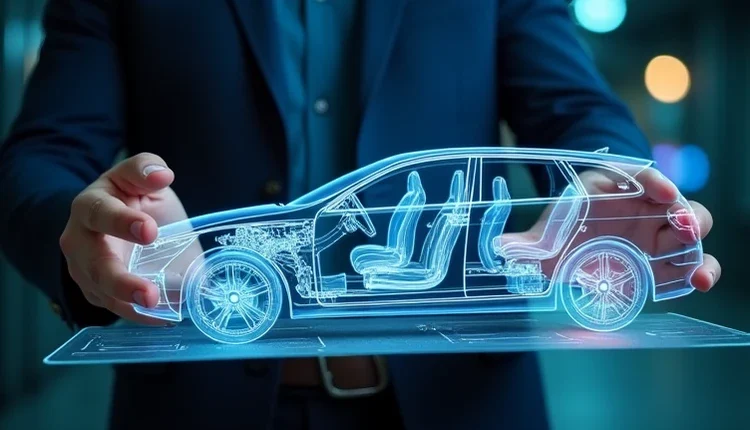
🚘🔒 Latest Automotive Innovations to Enhance Safety
Modern technologies are being actively introduced into car safety systems, offering increasingly effective solutions to protect drivers and passengers from accidents.
🚗 The Importance of Innovation in Automotive Safety Systems
Every year, automotive technologies become more advanced, which allows for a significant increase in safety while driving. Innovations in safety systems are aimed at preventing accidents and minimizing their consequences.
🌟 Modern safety technologies in cars
Choose accessories to improve the safety of your vehicle here, including innovations such as:
- Collision avoidance systems: Uses sensors and cameras to detect potential obstacles on the road.
- Adaptive cruise control: Automatically maintains a safe distance from the vehicle in front.
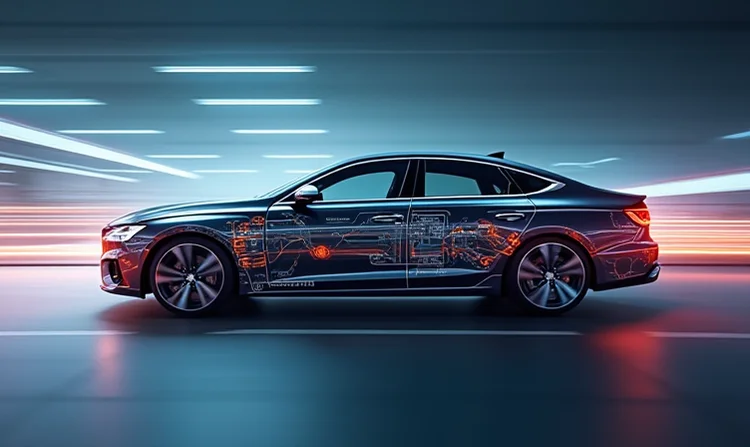
🛠 Automatic braking systems
Automatic braking systems are able to independently slow down or stop the car in critical situations, preventing collisions or reducing their consequences.
🔄 Improving passive safety
Improvements in passive safety, such as advanced airbags, better seat belts and reinforced bodies, greatly improve the chances of avoiding serious injury in the event of a crash.
📹 Development of video surveillance and cameras
Modern cars are equipped with video surveillance systems and cameras that provide drivers with a better view around the car, helping to prevent collisions and making parking easier.
- Surround cameras: Provide a complete picture of what is happening around the vehicle, reducing the risk of collisions when maneuvering.
- Rear view cameras: Make parking easier, especially in tight spaces.
🚦 Adaptive lighting systems
Adaptive LED headlights automatically adjust the angle and intensity of the light depending on road conditions, improving visibility at night and in poor weather conditions, which contributes to increased safety.
- Dynamic Light Control: Provides better visibility on the road in various conditions.
- Automatic headlight switching systems: Prevent blinding oncoming drivers.
🚗 Driver monitoring systems
Driver monitoring technologies such as fatigue and distraction detection systems can alert the driver when it is time to rest, thereby reducing the risk of fatigue-related accidents.
- Detection of signs of fatigue: Systems analyze driver behavior and recommend taking a break during a long journey.
- Distraction Warnings: Notifies you if your attention is being distracted from the road.
🌐 Integration with intelligent transport systems
Modern cars integrate with intelligent transport systems, which provide real-time information about road conditions, traffic jams, and potential hazards on the road. This integration helps improve overall driving safety.
- Information about current road conditions: The car can warn you about traffic jams, accidents and other changes on the route.
- Communication with other vehicles and infrastructure: Exchange data with other vehicles and road infrastructure to prevent accidents.
🛑 Automatic emergency call system
The latest cars are equipped with systems that automatically call emergency services in the event of a serious accident. This feature automatically notifies emergency services of the location of the car and the nature of the accident, which can save lives in critical situations.
- Quick response in case of an accident: The car automatically reports the need for emergency assistance.
- Providing accurate location data: Speeds up the arrival of emergency services at the scene of an accident.

🚸 Pedestrian protection systems
Pedestrian protection technologies include sensors and cameras that detect the presence of pedestrians on the road and can automatically slow or stop the vehicle to avoid a collision.
- Automatic braking when pedestrians are detected: Reduces the risk of accidents in urban areas and areas with high pedestrian activity.
- Pedestrian warnings: Alert the driver to possible collisions with pedestrians.
🚗 Improving the design of the car to increase safety
Modern technologies allow creating cars with an improved body design, which provides additional protection in collisions. The use of high-strength materials and innovative design solutions increases the safety of the car.
- Robust body structure: Provides better protection for passengers in the event of an accident.
- Use of energy absorbing materials: Reduces the risk of injury in collisions.
🛰 Blind Spot Monitoring Technologies
Blind spot monitoring technologies significantly improve lane change safety by alerting the driver to vehicles that are out of sight. These systems increase overall driver awareness and help avoid accidents.
- Blind Spot Monitors: Warns you of vehicles in your blind spots.
- Visual and audio signals: Inform the driver of potential danger when changing lanes.
🚸 Child safety systems
Automotive innovations also include advanced child safety systems such as improved child seats, child occupant reminder systems and special crash protection technologies.
- Improved child seats: Provide additional safety for younger passengers.
- Child Reminder Systems: Prevent children from being left in a locked vehicle.
🏁 Conclusion: Safety is a priority for modern cars
Safety is a priority in modern automotive engineering. Innovative technologies, including collision avoidance systems, adaptive lighting systems, improved body structures and pedestrian protection systems, significantly improve the level of safety and protection for passengers.
