
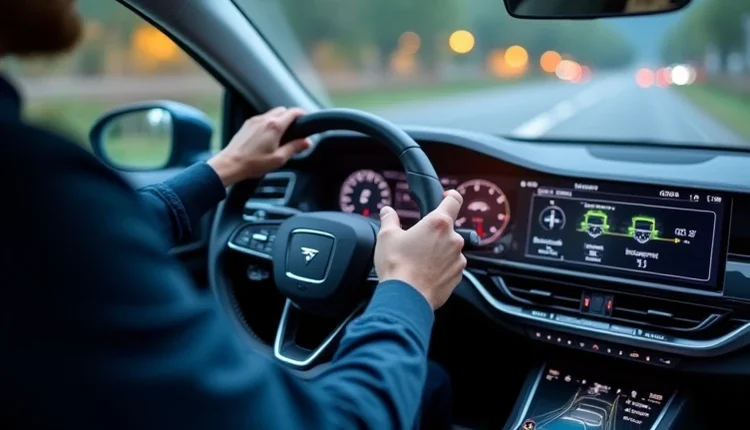
🛡️🚗 Innovative technologies to improve vehicle safety
Road safety is a major concern for drivers and car manufacturers. With the advent of new technologies, the possibilities for improving car safety are greatly expanded. From accident prevention systems to advanced surveillance systems, modern cars are equipped with many innovations to ensure the safety of the driver and passengers.
🚗 Automatic accident prevention systems
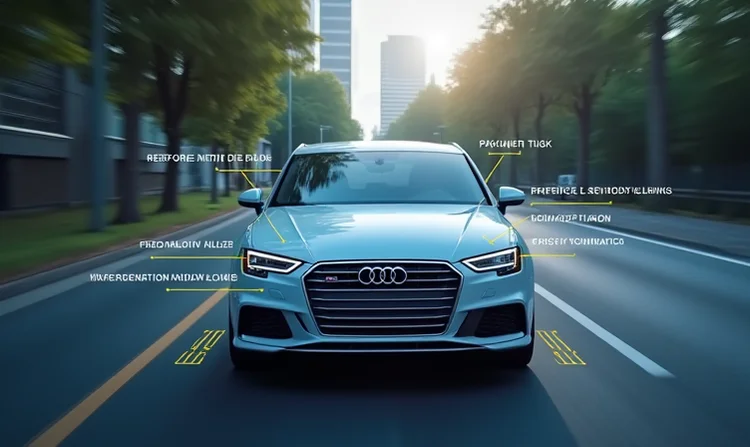
Automatic crash avoidance systems are technologies that can warn the driver of potential danger or even take action to avoid a collision. These systems include sensors, cameras, and radars to monitor and respond to the surrounding environment.
- Blind Spot Monitoring Systems: Alerts the driver to vehicles in the blind spots.
- Adaptive Cruise Control: Automatically maintains a safe distance from the vehicle in front.
🌟 Surveillance and warning technologies
In-car surveillance technologies include rear-view cameras, parking sensors, and traffic sign recognition systems. These systems help drivers gain full visibility of the situation around the vehicle and respond to changes in a timely manner.
- Rear view cameras: Provide visibility when reversing.
- Lane Departure Warning Systems: Helps prevent unintentional lane departures.
🛠 Stability and braking control systems
Stability and braking control systems in cars help improve handling and safety during abrupt maneuvers or slippery road conditions. These systems can automatically adjust the brake pressure on individual wheels to help the driver maintain control of the car.
🚀 Integrating smart technologies to improve security
Smart technologies such as smartphone apps and integration with vehicle systems offer new opportunities to improve safety. These technologies can provide drivers with important information about the vehicle's condition, such as faults or maintenance needs.
- Remote Vehicle Monitoring: Allows drivers to monitor the status of their vehicle via a mobile app.
- Integration with emergency services: Automatic notification of emergency services in the event of an accident.
🌟 Driver assistance systems
Modern cars are equipped with a variety of driver assistance systems that enhance safety behind the wheel. These include collision warning systems, driver condition monitoring systems, and automatic parking systems.
- Forward Collision Warning: Systems that warn of a potential collision and, if necessary, apply the brakes.
- Driver Condition Monitoring: Technologies that track signs of driver fatigue or distraction.
🛠 Advanced lighting systems
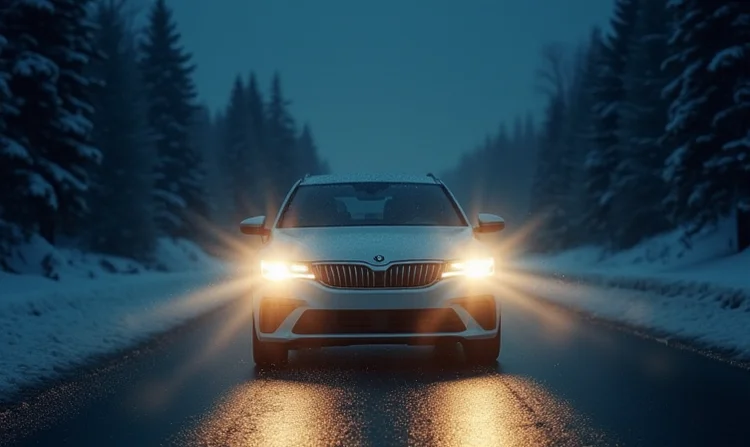
Advanced lighting systems, such as adaptive LED headlights, improve safety at night and in poor weather conditions. These systems automatically adjust the intensity and direction of the light depending on the road conditions.
🏁 Conclusion: Integrating Technologies for Road Safety
Vehicle safety technologies are constantly evolving to become more intelligent and integrated. From crash prevention systems to advanced lighting systems and smart integration, these innovations contribute to a safer, more comfortable driving experience.
🚗 Adaptive vehicle control systems
Adaptive vehicle control systems, such as adaptive suspension and traction control systems, provide a high level of safety and comfort in various road conditions. These systems automatically adapt to changes in road surface and driving style, improving vehicle handling and stability.
- Adaptive suspension: Automatically adjusts suspension stiffness to provide optimum comfort and handling.
- Traction control systems: Prevent wheel spin and improve road grip.
🌟 Automatic emergency response systems
Automatic emergency response systems, such as automatic braking and pedestrian protection systems, significantly improve safety in urban environments. These systems can detect potential collisions and automatically apply the brakes to prevent or mitigate the consequences of an accident.
- Automatic emergency braking: Activates when a risk of collision is detected.
- Pedestrian protection systems: Detect pedestrians on the road and prevent possible collisions.
🛠 Improved parking assistance systems
Modern parking assistance systems include not only rear cameras and sensors, but also automatic parking technologies. These systems can independently determine a suitable parking spot and perform a maneuver, minimizing the risk of collisions and damage to the car.
🏁 Conclusion: An Integrated Approach to Car Safety
The integration of various safety technologies in cars provides a comprehensive approach to preventing accidents and protecting the driver and passengers. From adaptive control systems to automatic response in emergency situations, these technologies make modern cars safer and more intuitive to drive.
🚀 Development of intelligent security systems
Intelligent safety systems in modern cars use advanced technologies such as artificial intelligence (AI) and machine learning to analyze data from sensors and cameras. This allows the car to adapt to changing road conditions and predict potential hazards.
- Accident Prediction and Prevention: AI analyzes traffic patterns and helps prevent collisions.
- Adaptive response to the road situation: The car can independently adapt the speed and trajectory of movement in response to changes in the road situation.
🌟 Advanced driver monitoring systems
Driver monitoring systems, such as cameras that track the driver’s gaze and posture, can help detect signs of fatigue or inattention. These systems can alert the driver to take a break or, in critical situations, automatically slow down or stop the car.
- Driver Fatigue Detection: Provides warnings when it's time to take a rest to prevent accidents due to fatigue.
- Inattentive Driving Response: Automatic corrective actions if the driver loses attention.
🛠 Integration with communication technologies
Vehicle integration with communication technologies such as V2X (Vehicle-to-Everything) allows the vehicle to exchange data with other vehicles and infrastructure. This helps improve overall road safety by providing additional information about the road environment and potential hazards.
- Communication with other vehicles: Alerts about approaching vehicles and changes in traffic.
- Interactivity with road infrastructure: Obtaining information about road signs, traffic lights and obstacles.
🏁 Conclusion: The Future of Automotive Safety
The future of automotive mobility safety promises to be exciting, thanks to the integration of advanced technologies. From intelligent crash prevention systems to integration with communication systems, these innovations are aimed at creating a safer and more efficient road environment for all road users.
