🚗 How are cars changing the face of modern cities?
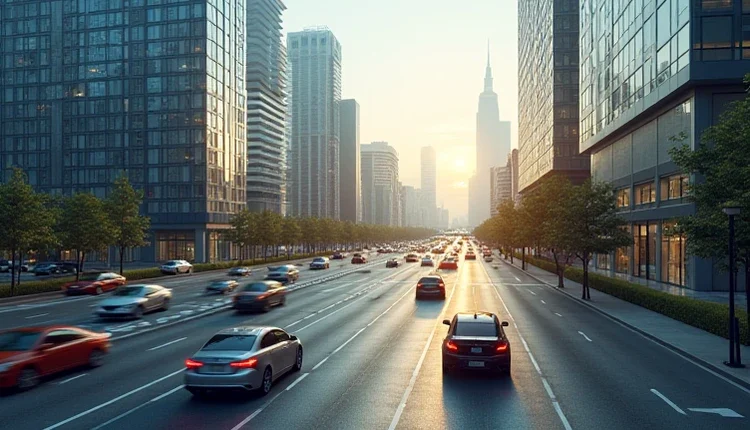
Cars have had a huge impact on the shape of modern cities. From transportation to architectural design, every aspect of urban life has been transformed by the automobile industry. In this article, we'll look at how cars have changed the urban landscape, and here you'll find city car accessories.
🌆 Expansion and modernization of the road network
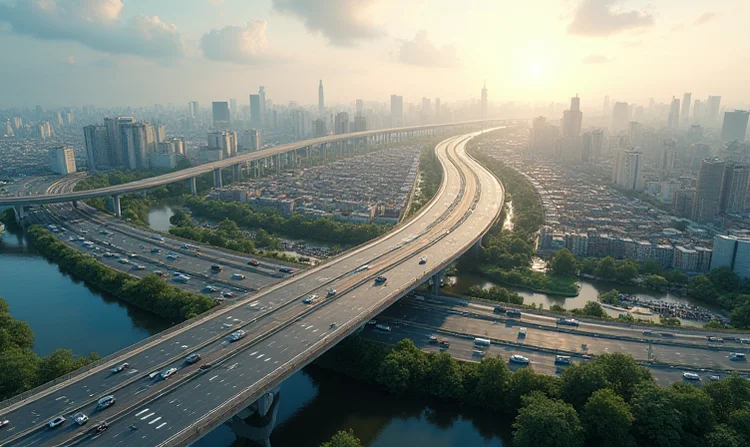
Growth of highways and bridges
As the number of cars increased, so did the need for wider, more modern roads. Cities began to expand and modernize their road networks, building new bridges and interchanges to meet the needs of car owners.
- Improved accessibility: New roads and bridges have made many areas more accessible, leading to economic growth.
- Impact on urban planning: The expansion of the road network has required changes in the planning of many cities, including the development of new areas.
🏢 Restructuring of urban infrastructure
Transformation of the urban environment
Cities began to adapt to the needs of the automobile, which led to changes in architecture and planning. New shopping malls, office buildings, and residential complexes were designed with accessibility in mind.
- Changing the architectural landscape: Cities have been given a modern look by new buildings and structures designed with the needs of motorists in mind.
- Suburban development: Convenient automobile access encouraged the expansion of urban boundaries and the development of suburban areas.
🅿️ Development of parking infrastructure
A New Look at Parking
With the increase in the number of cars in cities, the need for parking spaces has increased. This has led to the construction of multi-level parking lots, underground and above-ground parking complexes.
- Rational use of space: Multi-level and underground parking allowed for efficient use of limited urban space.
- Reduced congestion: Having enough parking spaces reduces the number of cars looking for a parking space, which reduces traffic congestion.
🚧 Impact on ecology and urban environment
Environmental problems and their solutions
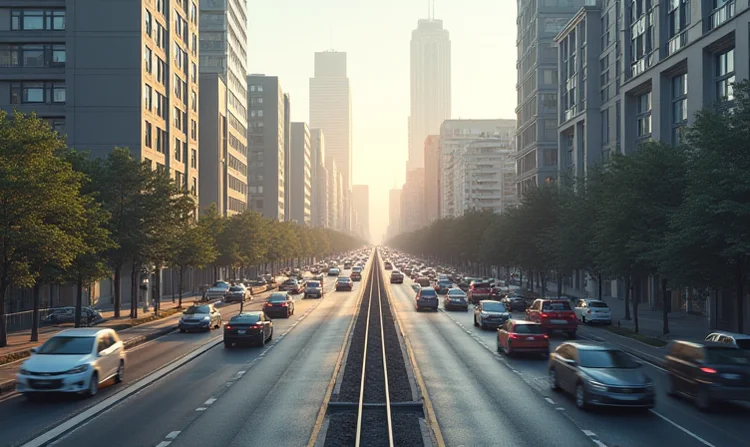
The growth of automobile traffic has led to an increase in emissions into the atmosphere, which has affected the ecological state of cities. The desire to reduce pollution has led to the development of new environmental standards and the introduction of “green” technologies.
- Creation of ecological zones: Many cities have created zones with limited access for vehicles, which has reduced air pollution levels.
- Development of public transport: Strengthening the role of public transport has reduced dependence on private cars, improved the environment and reduced traffic jams.
🌐 Integration with digital technologies
Innovations in urban traffic management
Modern technologies such as GPS systems, smart traffic lights and smartphone apps have changed the way cities manage traffic. These technologies help make moving around the city more efficient and safer.
- Smart Traffic Management: Smart traffic management systems help optimize traffic flow, reducing travel times and emissions.
- Personalized navigation systems: Modern GPS navigators and smartphone applications provide drivers with up-to-date information on the traffic situation, helping them avoid traffic jams and choose the best routes.
🚸 Safety and comfort of urban traffic
Improving road safety
With the increasing number of cars in cities, road safety is becoming more important. Advanced safety systems such as automatic braking, blind spot monitoring systems and rear-view cameras have become standard in many cars.
- Driver assistance technologies: Modern cars are equipped with various driver assistance systems that improve driving safety.
- Reduction in accidents: Thanks to new technologies, the number of road accidents has decreased, which contributes to the safety of all road users.
🏙 Rethinking urban space
Development of urban infrastructure
Automobiles have had a significant impact on the development of urban infrastructure. As automobile traffic has increased, cities have undergone changes to meet the needs of drivers and pedestrians.
- Expanding and upgrading the road network: Cities are investing heavily in building new roads and interchanges, as well as upgrading existing ones, to cope with increasing traffic.
- Organization of parking spaces: The creation of multi-level parking lots and the development of intelligent parking systems help to effectively use limited urban space.
🚗 Impact on the lifestyle of city dwellers
Changes in daily life
Motorization has influenced the lifestyle of modern urban population. A personal car has become not only a means of transportation, but also a symbol of status and freedom of choice.
- Mobility and Accessibility: Cars have greatly increased the mobility of city dwellers, giving them more options for travel and commuting.
- Influence on urban culture: The car has become part of urban culture, influencing fashion, architecture and even cinema.
🌍 Global Challenges and Prospects
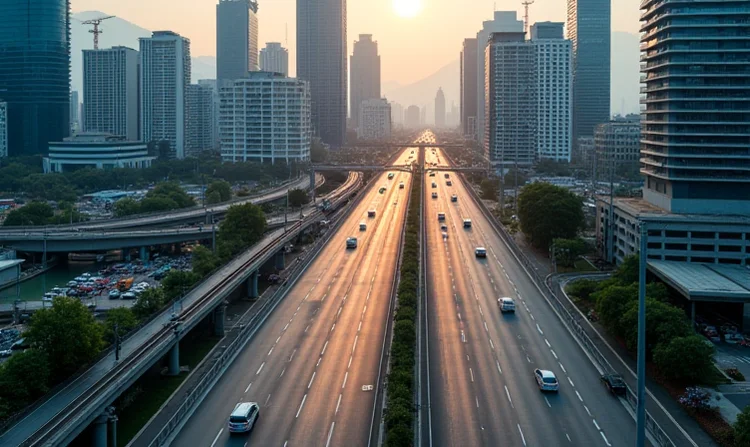
Motorization and Sustainable Development
The popularity of automobiles has led to a number of global challenges related to the environment, energy and urbanization. In response to these challenges, new strategies and technologies are being developed.
- Transition to electric vehicles: The development of electric mobility is one of the key areas in the sustainable development of transport.
- Integration with urban technologies: The implementation of intelligent transport systems and the integration of transport with other elements of urban infrastructure are becoming a priority for many cities.
In conclusion, cars have had a significant impact on modern cities, their architecture, ecology and the lifestyle of their inhabitants. The future of urban transport involves the integration of modern technologies, the development of sustainable and environmentally friendly modes of transport and the constant improvement of urban infrastructure.
