
Automotive Antifreeze Level Sensors: Review 🌡️
In modern cars, coolant level sensors play a key role in maintaining the optimal operation of the cooling system. These devices not only warn of low coolant levels, but also help prevent engine overheating and other serious problems.
How Do Antifreeze Level Sensors Work?
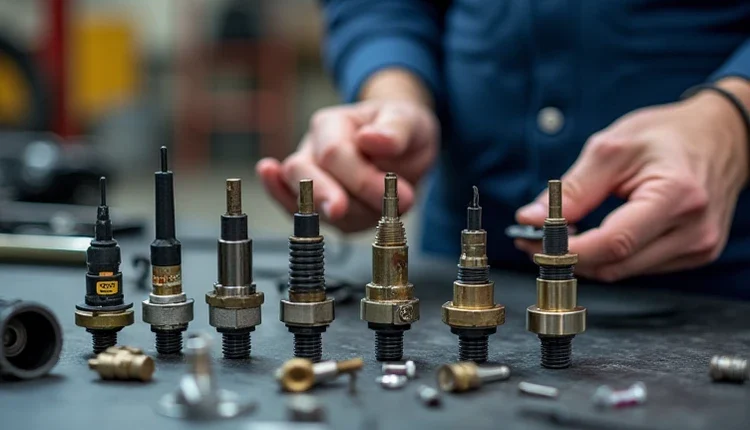
Coolant level sensors use a variety of technologies to monitor the coolant level in the system. They may be based on buoyancy, capacitance, or ultrasound, and send a signal to the instrument cluster if the coolant level drops below normal.
Best Brands of Antifreeze Level Sensors
The rating of the best brands of coolant level sensors includes such companies as Bosch, Denso and Delphi. Their products are characterized by high quality, reliability and durability.
How to Choose the Right Sensor?
The choice of sensor depends on the make and model of the car, as well as the driver's preferences. It is important to consider the compatibility of the sensor with the car's cooling system and its technical characteristics.
Why Do You Need an Antifreeze Level Sensor?
The antifreeze level sensor is necessary for:
- Prevent engine overheating.
- Timely detection of leaks in the cooling system.
- Maintaining optimal temperature balance in the engine.
📊 Comparison Table of the Best Antifreeze Level Sensors
The Importance of Regular Maintenance
To ensure reliable operation of the coolant level sensor, it is necessary to regularly check and service it. This includes cleaning it from dirt and checking the electrical connections.
Impact on Ecology
Properly functioning coolant level sensors help reduce the risk of coolant leaks, which has a positive impact on the environment.
How to Install and Maintain Sensors?
Installing the coolant level sensor requires certain skills and knowledge. It is important to follow the manufacturer's instructions and use the correct tools. Maintenance includes regular checks and replacing the sensor if necessary.
Tips for Choosing an Antifreeze Level Sensor
- Compatibility: Make sure the sensor is compatible with your vehicle .
- Quality: Choose sensors from well-known manufacturers with a good reputation.
- Price: Don't look for the cheapest option, but don't overpay for the brand either.
Impact on Driving Safety
A reliable coolant level sensor prevents many potential engine problems and ensures safety while driving.
The Importance of Environmental Responsibility
Using properly functioning coolant level sensors helps reduce the risk of harmful substances leaking into the environment.
Results
Selecting the right coolant level sensor is essential to maintaining the efficiency of your vehicle's cooling system. Reliable sensors ensure safe driving, save repair costs, and help protect the environment.
Practical Tips for Care and Replacement
To maintain efficient operation of the coolant level sensor, it is recommended to:
- Regular Inspection: It is important to periodically inspect the sensor for damage or wear.
- Cleaning: Remove dirt and oil deposits from the sensor surface.
- Replacement: If signs of malfunction are detected, do not delay replacing the sensor.
Questions and Answers
- How often should the coolant level sensor be replaced?
- This depends on the vehicle model and operating conditions, but it is recommended to check it at every maintenance.
Impact on Car Performance
Reliable operation of the coolant level sensor helps maintain optimal engine temperature, which increases its performance and service life.
Conclusion
The importance of properly selecting and maintaining your coolant level sensor cannot be overstated. It plays a key role in maintaining your vehicle's safety, performance, and environmental sustainability.
| Brand | Model | With capacity | Peculiarities |
|---|---|---|---|
| Bosch | B1234 | Universal | High precision |
| Denso | D5678 | Specialized | Durability |
| Delphi | DL9102 | Universal | Reliability |
