
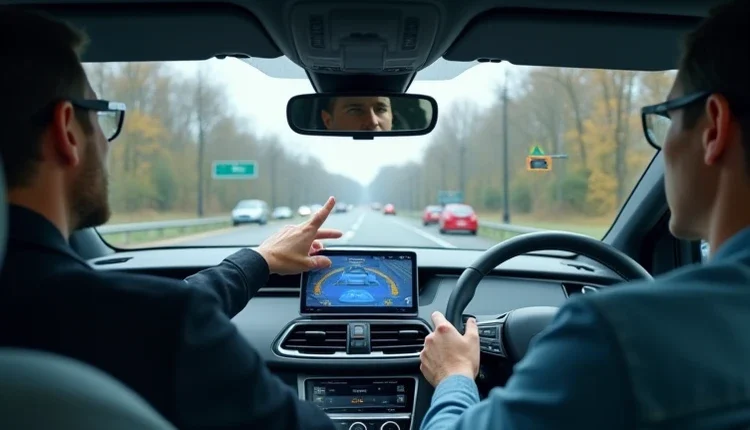
Technologies to improve visibility while driving
Visibility while driving is a critical factor influencing road safety. Modern automotive technologies offer a number of innovations aimed at improving visibility. and reducing blind spots.
🚗 The Importance of Visibility in Driving
Good visibility provides the driver with complete control over the surrounding situation, which reduces the risk of accidents and increases safety. passenger
🌟 Technologies Visibility enhancing
Choose accessories to improve your vehicle's visibility here, exploring technologies such as:
- Surround cameras: Provide a complete picture of what is happening around the vehicle, reducing ” blind spots “.
- Automatic dimming mirrors: Reduce glare from headlights of vehicles behind.
🛠 Development of active safety systems
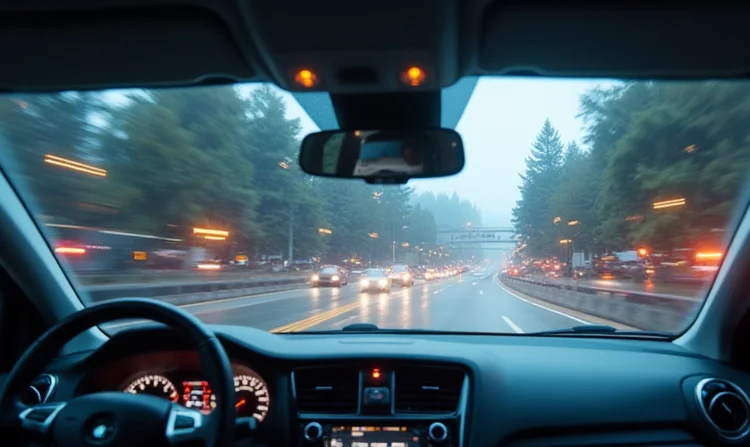
Active safety systems such as lane departure warning and blind spot monitoring help drivers maintain control of the road by warning them of potential hazards.
🔄 Adaptive headlights and lighting
Adaptive LED headlights automatically adjust the intensity and direction of the light depending on driving conditions, providing better visibility at night and in poor weather.
🎛 Intelligent systems environmental monitoring systems
Modern cars are equipped with sensors and cameras that continuously scan the surrounding environment, providing the driver with information about the road situation. These systems help improve visibility and prevent potential hazards.
- Object Proximity Warning Systems: Help drivers avoid collisions, especially when parking or maneuvering in tight spaces.
- Rain and light sensors: Automatically activate wipers and headlights to improve visibility in poor weather conditions.
🌐 Development of head-up display (HUD) technologies
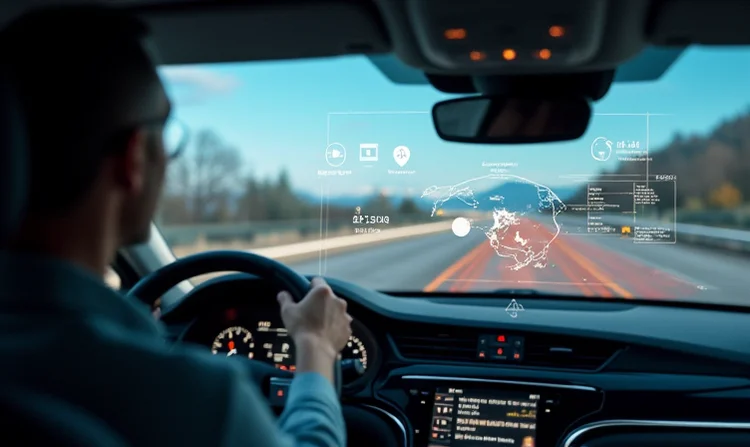
Head-up display (HUD) technologies project important information directly onto the windshield, allowing drivers to monitor speed, navigation and safety alerts without taking their eyes off the road.
- Integration with navigation systems: The HUD can display route directions, reducing the need to rely on traditional navigation systems.
- Safety Warnings: Visualize warnings about blind spots and other potential hazards on the windshield.
🛍 Improved rear view mirrors and side mirrors
Modern rearview and side mirrors are equipped with features that improve visibility and safety. From electronic controls to integrated turn signals, these mirrors help provide better visibility and information about the road situation.
- Automatically dimming mirrors: Prevent the driver from being dazzled by headlights from vehicles behind.
- Integrated turn signals: Increase vehicle visibility to other road users, improving overall safety.
🎥 Using cameras to improve visibility
Modern cars are often equipped with cameras that improve visibility and help drivers in difficult situations, such as parking or maneuvering in tight spaces. Surround and rear view cameras provide a complete picture of what is happening around the car.
- Rear view cameras: Help with parking by showing the space behind the car.
- Surround View Cameras: Provides a 360-degree view around the vehicle, significantly improving visibility.
🌐 Development of automated parking systems
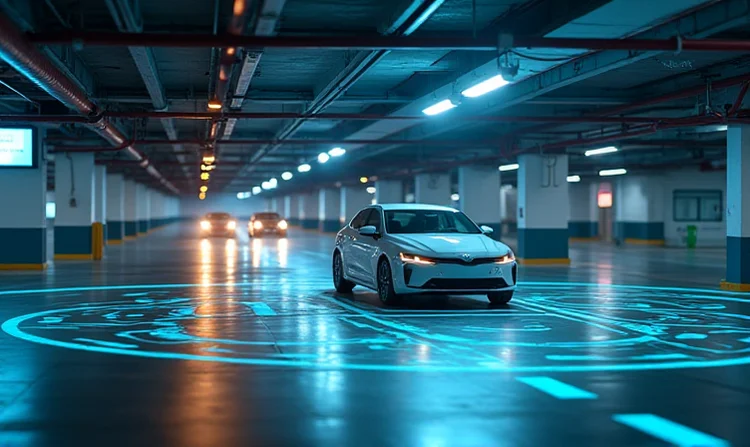
Automated parking systems use cameras and sensors to make parking easier. These systems not only make driving more convenient, but also improve visibility, allowing the driver to better navigate parking maneuvers.
- Parking assistance: Automated systems can guide the car while you park, reducing stress and increasing safety.
- Proximity sensors: Alert the driver to nearby objects, improving visibility and preventing collisions.
🚦 Blind Spot Monitoring Systems
Blind spot monitoring systems improve visibility, especially when changing lanes, by alerting drivers to vehicles in hard-to-see areas.
- Blind Spot Warning: Alerts the driver to vehicles in the blind spot, reducing the risk of collisions when changing lanes.
- Integration with side mirrors and HUD system: Provides continuous information about the state of blind spots.
🌟 Development of autonomous driving technologies
Autonomous driving technologies, although still in their early stages, promise to revolutionize driving visibility and safety. Using sophisticated systems of cameras, sensors, and artificial intelligence, the car can independently assess the road situation and make decisions in real time.
- Integration with road infrastructure: Autonomous technologies can interact with road signs, traffic lights and other vehicles to ensure safe driving.
- Advanced data processing algorithms: Analyze the environment and help the vehicle adapt to changing traffic conditions.
🚘 Advanced adaptive cruise control functions Control
Adaptive cruise control not only maintains a constant speed, but also automatically adjusts the vehicle's speed depending on the traffic in front. This improves visibility and safety, especially in heavy traffic and on high-speed highways.
- Dynamic Speed Adaptation: Automatically reduces or increases speed to maintain a safe distance from vehicles in front.
- Improved visibility when driving in traffic: Helps drivers focus on the road ahead, reducing the need to constantly monitor speed.
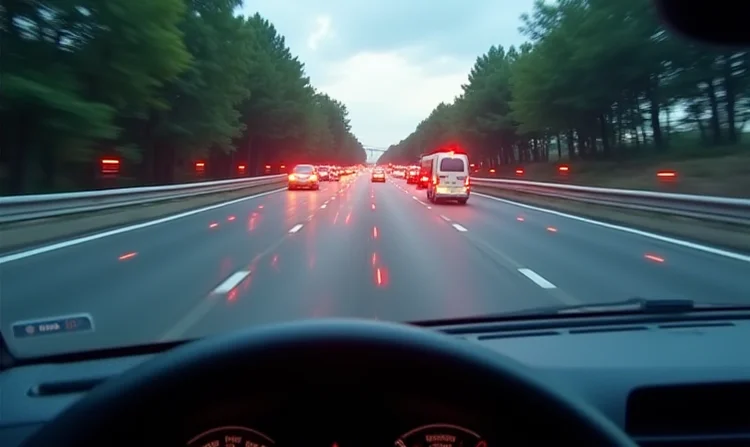
🛑 Emergency braking systems
Emergency braking systems automatically apply the brakes if a risk of collision is detected. These systems improve visibility, warn the driver of potential threats and prevent accidents.
- Surrounding situation analysis: Sensors and cameras scan the road for obstacles and potential threats.
- Early driver warning: Systems warn the driver of the need to brake urgently and can automatically apply the brakes if necessary.
🏁 Conclusion: Direction of development of automobile technologies
Technologies to improve driving visibility are constantly evolving, making driving safer and more comfortable. From 360-degree cameras to autonomous driving features, these innovations help make roads safer for everyone.
