
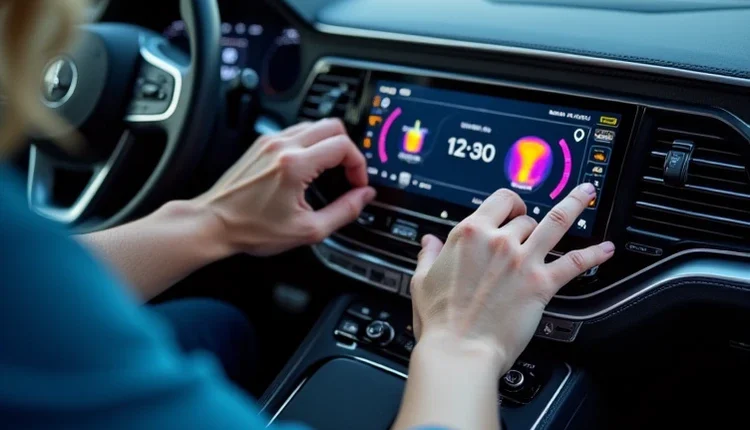
Technologies to improve the cooling system
An efficient cooling system is critical to maintaining optimal performance of your vehicle's engine. Find accessories to optimize your vehicle's cooling system here.
🚗 Innovations in Engine Cooling Systems
Modern engine cooling systems use advanced technologies to ensure efficient heat dissipation:
- Improved Heatsinks: Use advanced materials and design for more efficient cooling.
- Electronic temperature control. Automatically regulates the engine operating temperature to optimize its operation and reduce fuel consumption.
🌐 Adaptive Cooling Systems
Adaptive cooling systems respond to changing vehicle operating conditions:
- Variable fan speed. Automatically adapts to current cooling needs, improving energy efficiency.
- Variable opening thermostats. Maintain optimum engine operating temperature under various driving conditions.
🚀 Development of Liquid Cooling Technologies
Liquid cooling remains a key element in modern vehicle cooling systems:
- Effective Coolants. New coolant formulations provide better heat transfer and engine protection.
- Improved coolant pumps. More powerful and energy-efficient pumps improve fluid circulation and engine cooling.
🌐 Intelligent Heat Management Systems
Intelligent heat management in cars helps optimize the cooling system:
- Thermal energy recovery systems. Recycle waste engine heat to heat the passenger compartment or preheat the engine.
- Automatic regulation of cooling flows. Dynamically distributes coolant throughout the engine depending on needs.
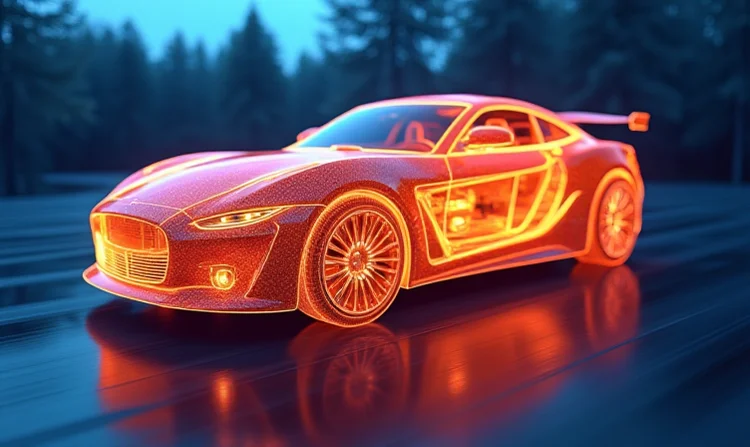
🚗 Cooling Hybrid and Electric Vehicles
Cooling systems in hybrid and electric vehicles have their own characteristics:
- Cooling batteries and electronics. Critical to maintaining battery efficiency and safety.
- Integrated cooling systems. Simultaneously manage the temperature of the engine, batteries and electronic components.
🌿 Environmental Aspects of Cooling Systems
Environmental sustainability is becoming an important part of cooling system design:
- Use of environmentally friendly coolants. New formulations reduce the impact on the environment.
- Reduced emissions: Efficient engine cooling helps reduce carbon dioxide emissions.
🚀 Cooling Technologies For Improved Performance
Modern cooling systems also help improve vehicle performance:
- Extended service intervals: More efficient cooling systems require less maintenance.
- Increased engine power. Optimal cooling allows the engine to operate at maximum efficiency.

📱 Smart Control and Diagnostics
Integrating cooling systems with smart technologies provides better control and diagnostics:
- Remote monitoring: Drivers can monitor the cooling system status via smartphone applications.
- Automatic fault diagnostics. The system warns of potential problems before they occur.

🌐 Integration of Cooling Systems with Other Technologies
Modern cooling systems are integrated with other vehicle technologies to improve overall efficiency:
- Interaction with the engine management system. Optimizes the cooling system operation depending on the engine load.
- Integration with energy saving systems. Supports efficient energy consumption, reducing fuel consumption.
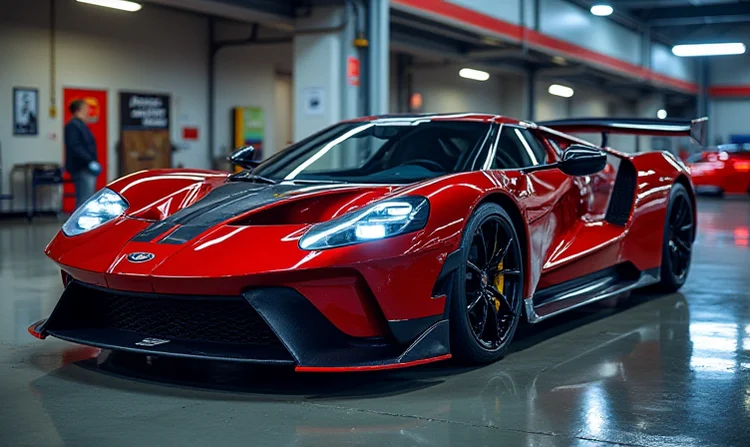
🚗 Cooling in Sports and High-Performance Cars
For sports and high-performance vehicles, cooling systems are of particular importance:
- Improved cooling of turbocharged engines. Ensures stable operation under high loads.
- Brake cooling systems. Improve safety and performance during intensive driving.
🌿 Ecological Trends in Cooling Systems
Environmental trends also influence the development of cooling systems:
- Use of environmentally friendly coolants. Reduces the impact on the environment.
- Energy efficient components. Reduce energy consumption and improve the vehicle's environmental footprint.
📘 Conclusion
Cooling technology continues to evolve, ensuring efficient engine operation, increased performance, and improved environmental performance of vehicles. From intelligent control systems to eco-friendly solutions, today's vehicles offer highly efficient and sustainable cooling systems.
