
How to improve your car’s cooling system
🔧 Efficiency and reliability: key steps to improving your cooling system
Improving your car’s cooling system is critical to preventing your engine from overheating and keeping it running efficiently. From installing more powerful radiators to optimizing ventilation systems, there are many ways to improve cooling performance. Get started by finding the right accessories here.
🚗 Improved radiators and cooling system
Selecting High Efficiency Radiators
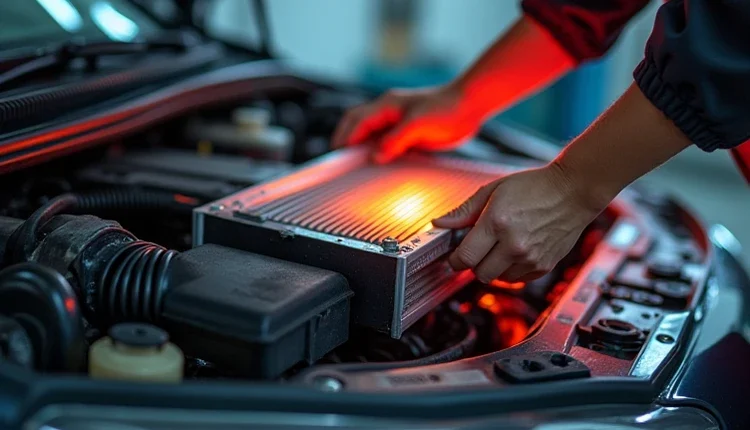
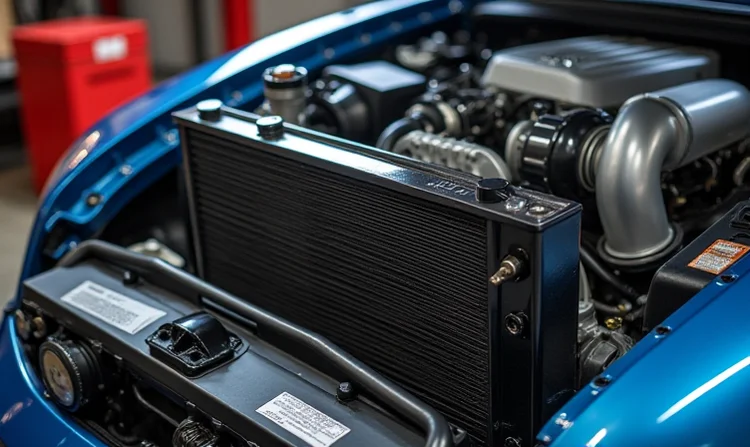
Installing a more powerful radiator can significantly improve the cooling system. Choose radiators that provide better heat transfer and are compatible with your car.
Regular maintenance and replacement of coolant
Regularly checking and replacing coolant helps maintain the efficiency of the cooling system. Use a quality coolant that prevents corrosion and scale.
🌬️ Optimization of fans and airflow
Installation of powerful fans
Install more powerful fans to improve airflow through the radiator. This is especially important for vehicles that are often used in high-temperature conditions or under heavy load.
Improving air flow in the engine compartment
Optimizing airflow in the engine bay helps cool the engine more efficiently. Consider installing additional air intakes or improving existing airflow channels.
🛠️ Maintenance and improvement of cooling components
Regular inspection of cooling system components
Regular maintenance, including checking the thermostat, cooling pump and hoses, helps prevent potential problems. Replace worn or damaged components to avoid engine overheating.
Improved thermostat and cooling pump
Installing a more efficient thermostat and cooling pump can improve coolant circulation and cooling efficiency. Choose components optimized for your engine type and operating conditions.
🌡️ Temperature monitoring and heat management
Installation of additional temperature sensors
For more precise control of engine temperature, install additional temperature sensors. This will allow you to promptly respond to temperature changes and prevent overheating.
Use of heat-dissipating materials
The use of heat-dissipating materials in the engine bay helps improve the dissipation of heat from the engine. This may include the installation of heat-reflecting coatings or panels.
🚀 Improvement of the coolant and circulation system
Selecting a High-Quality Coolant
Using a premium coolant will help improve heat dissipation and protect the system from corrosion and scale. Choose a fluid that matches your vehicle's specifications and operating conditions.
Optimization of the circulation system
Improving the coolant circulation system, including installing efficient pumps and improved pipes, will ensure more even engine cooling and prevent potential overheating problems.
💡 Innovative solutions for engine cooling
Using electronic cooling control
Modern electronic cooling control systems allow the engine temperature to be automatically regulated, ensuring optimal operation and preventing overheating.
Consideration of hybrid cooling systems
Hybrid cooling systems that combine liquid and air cooling can offer improved efficiency for certain types of vehicles, especially under heavy use conditions.
Conclusion and recommendations:
Regular maintenance and renewal
Maintaining the cooling system in good condition and regularly updating its components will ensure reliable engine operation and prevent costly repairs.
Investing in improving the cooling system
Investing in improving your car's cooling system will improve its performance and extend the life of your engine. It's an important aspect of car maintenance that shouldn't be ignored.
Improving your car's cooling system is key to maintaining its efficiency and reliability. Use these tips to ensure your car runs optimally in all conditions. Get started by finding the right components here.
