
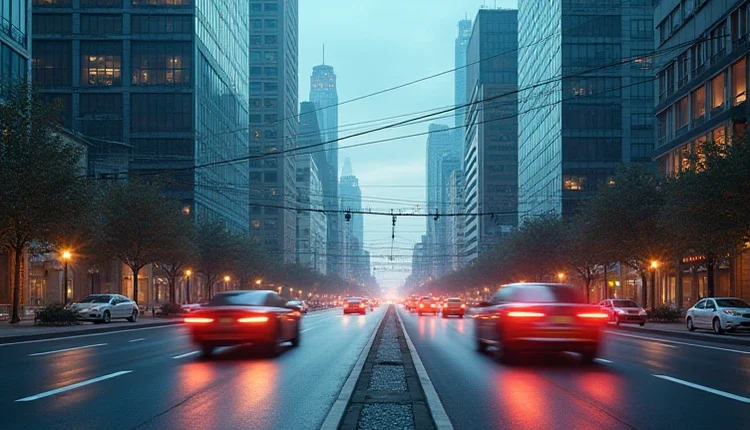
🚗 Cars and the City: Revolution in Infrastructure
Cars are not just a part of our lives, they actively shape the urban environment. From street planning to environmental policy, every aspect of urban infrastructure is influenced by motor transport. Find accessories for your city car here.
🚧 Changing Road Networks
With the advent of automobiles, urban road networks have undergone significant changes. Let's look at the key aspects:
Expansion and Modernization:
- Increasing traffic lanes: To reduce congestion and increase throughput.
- Infrastructure development: Construction of bridges, tunnels, interchanges to improve connectivity.
Innovations in Planning:
- Intelligent Transport Systems: Using modern technologies to manage traffic.
- Environmental planning: Creation of green areas and traffic restrictions in central parts of the city.
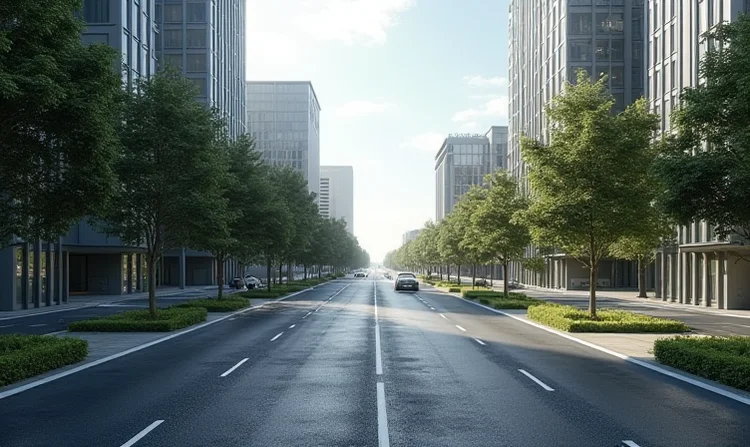
🅿️ Evolution of Parking Space
Cars have required a new approach to parking space in cities. As it is expressed:
Multi-level Parking:
- Efficient use of space: Construction of multi-level parking instead of ground-level parking.
Integration with Technologies:
- AI Parking Systems: Automated Management and Optimization of Parking Spaces.
Problems and Solutions:
- Lack of space: In the centres of large cities.
- Alternative solutions: Development of parking lots on the outskirts with good transport accessibility.
🌳 Ecological Transformation
Cars are affecting the ecology of cities, forcing authorities to reconsider their approach to urban planning:
Green Initiatives:
- Limiting emissions: Introducing CO2 emission standards, encouraging the use of electric vehicles.
- Development of public transport: Reducing the population’s dependence on private cars.
Pedestrian Areas:
- Expanding pedestrian streets: Creating conditions for safe and comfortable walking.
- Integration with nature: Transforming urban spaces into “green islands”.
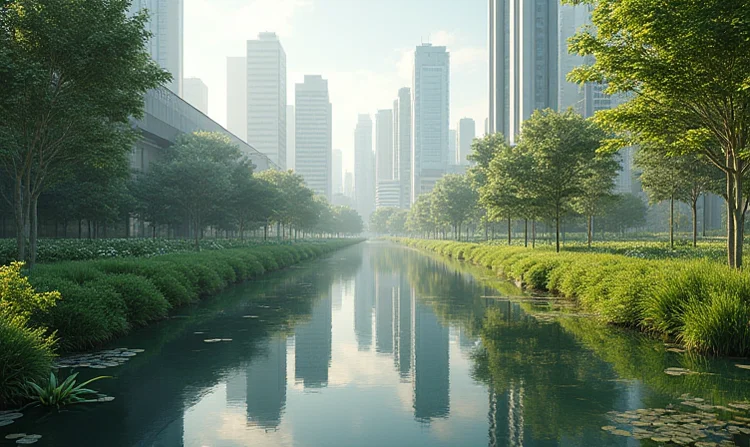
🚦 Integration of Modern Technologies
Cars are pushing for the introduction of new technologies into urban infrastructure:
Smart Traffic Management Systems:
- Adaptive traffic lights: React to traffic volumes to optimize traffic flow.
- Road Condition Monitoring: Using sensors and cameras to monitor road conditions.
Innovations in Security:
- Electronic warning systems: Reducing road accidents.
- Integration with mobile applications: Notifications about traffic jams, accidents, repair work.
🅿️ Rethinking Parking Space
Changes in the automobile industry are affecting the concept of parking spaces in cities:
Multifunctional Parking:
- Parking lots with charging stations: Convenience for electric vehicle owners.
- Vertical Parking: Saving Urban Space.
Parking Applications:
- Digital seat reservations: Reduce the time spent searching for available seats.
- Integration with navigation systems: Directing drivers to the nearest available spaces.
💡 Cars and Urbanism
Modern trends in the automotive industry are changing urban life:
Cities for People:
- Reducing car lanes: Redistributing space in favor of pedestrians and cyclists.
- Limited Traffic Zones: Creating Quiet and Safe Neighborhoods.
Ecological Balance:
- Reducing noise and pollution: Improving the quality of life of city residents.
- Development of green areas: Increase in parks and squares within the city.
🌳 Green Perspectives and Environmental Initiatives
Improving the environmental friendliness of cities in the context of the spread of cars:
Development of Ecological Transport:
- Promoting Electric Vehicles: Reducing CO2 Emissions.
- Government subsidies and incentives: Stimulating the purchase of environmentally friendly vehicles.
Environmental Planning:
- Integration of environmental standards: Implementation of sustainable development standards.
- Reducing the ecological footprint: Transition to green technologies in urban infrastructure.
🏁 Conclusion and Prospects
The changes caused by the spread of cars have a significant impact on urban infrastructure. Cities are becoming more convenient and safe for residents, with an emphasis on ecology and sustainable development. In the future, we can expect to see a continuation of the trend towards creating cities oriented towards people and the environment.
