
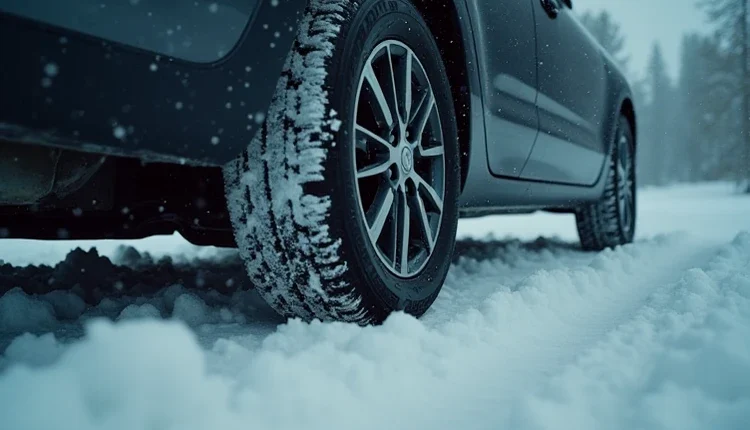
Preparing your car for extreme driving conditions
In extreme conditions, be it harsh winter, summer heat or off-road, it is important to ensure the reliability and safety of your car. Below are the basic steps and recommendations that will help prepare your vehicle for any test.
🛠️ Maintenance and inspection
- Check your tires: Make sure your tires are appropriate for the weather conditions. Winter tires are essential during cold weather, while all-season or summer tires are best for the summer months.
- Cooling and heating system: Check the antifreeze and heating system to avoid engine overheating in hot weather and ensure comfortable driving in cold weather.
🌡️ Adaptation to climatic conditions
- Winter preparation: Don't forget to have snow chains, an ice scraper and antifreeze for your windshield washer fluid.
- Summer precautions: Install tinted windows to protect against UV rays and make sure your air conditioner is working properly.
🏞️ Adaptation to the terrain
- Off-road: For off-road driving, it is recommended to install a crankcase guard and also check the suspension system and shock absorbers.
- Mountain roads: Make sure the brake system is in good working order and that there is sufficient brake fluid.
🧰 Necessary accessories
- First Aid Kit and Tools: Always keep a first aid kit, fire extinguisher, warning triangle and tool kit in your vehicle.
- Navigation and communication systems: Having a GPS navigator and a mobile phone charger will help you stay connected in any situation.
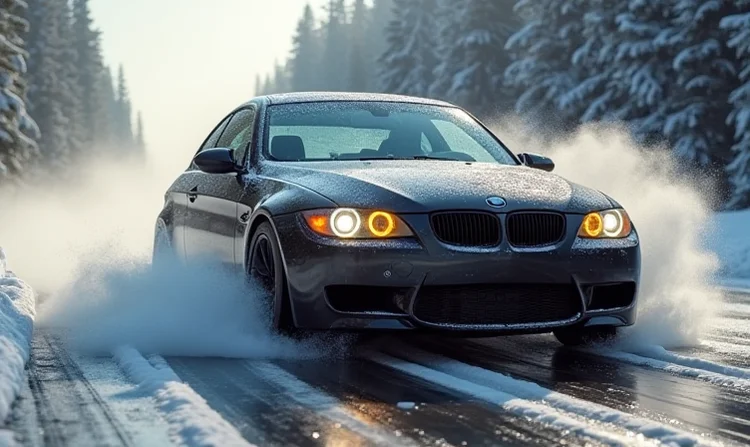
📋 Emergency Action Plan
- Road Plan: Always have a backup route plan, especially on long trips.
- Driver training: Take extreme driving courses. This will help you feel more confident and safer on the road.
📈 Analysis and regular checks
- Technical inspection: Have your vehicle inspected regularly, especially before long trips.
- Updating your insurance: Make sure your insurance covers all possible risks associated with extreme driving.
🌐 Innovative technologies for safety
- Driver assistance systems: Modern technologies such as anti-lock braking system (ABS), stability control system (ESP) and others significantly increase driving safety.
- Navigation systems with weather forecasts: Use navigation systems that provide up-to-date information about weather and road conditions.
💡 Fuel Saving Tips
- Fuel-efficient driving style: Smooth acceleration and braking, as well as maintaining an optimal speed, will help reduce fuel consumption.
- Check fuel consumption regularly: Monitor your fuel consumption to promptly detect any deviations that indicate possible malfunctions.

🌟 Using additional devices
- Heat pumps and pre-heaters: In cold weather, they can help save fuel by pre-heating the engine.
- Using aerodynamic accessories: Improving the aerodynamics of your car reduces air resistance and thus reduces fuel consumption.
🚗 Safety and comfort in extreme conditions
- Interior comfort and safety: Installation of additional airbags, comfortable seats with heating and ventilation will improve your well-being on long trips.
- Adaptation of lighting and sound equipment: Correct adjustment of lighting and sound system also contributes to driving safety.
🌍 Eco-friendly and sustainable driving
- Choose Clean Fuel: Use biofuels or low-emission fuels to reduce your vehicle's environmental footprint.
- Regular exhaust system maintenance: Keeping your catalytic converter and exhaust system running efficiently helps reduce harmful emissions.
🛠️ Modernization and tuning
- Engine and Transmission Improvements: Tuning your engine to improve its efficiency can significantly reduce fuel consumption.
- Aerodynamic Modifications: Installing spoilers, fairings and other elements can improve aerodynamics and reduce fuel consumption.

🚦 The Importance of Driver Awareness
- Training and practical courses: Take fuel-efficient driving courses to learn how to drive more efficiently.
- Road awareness: Use traffic information apps and services to avoid traffic jams and other factors that increase fuel consumption.
💡 Innovations and new technologies
- Using gadgets to track fuel consumption: Install specialized applications or devices to monitor fuel consumption and driving efficiency.
- Research New Technologies: Stay up to date with the latest technological advances in the automotive industry that can help improve fuel economy.
