
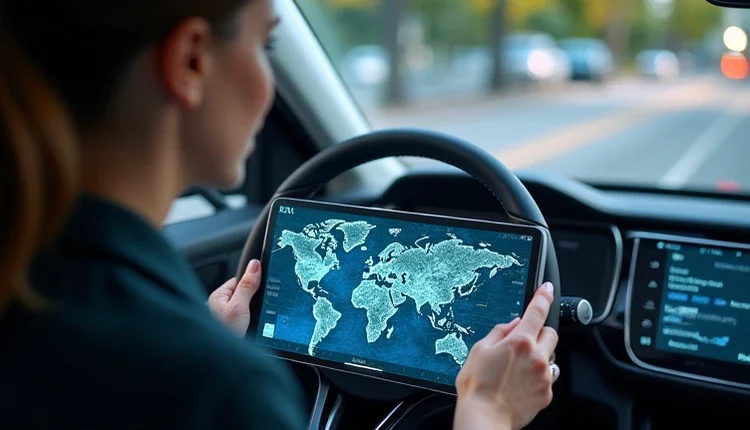
Technologies to improve navigation system
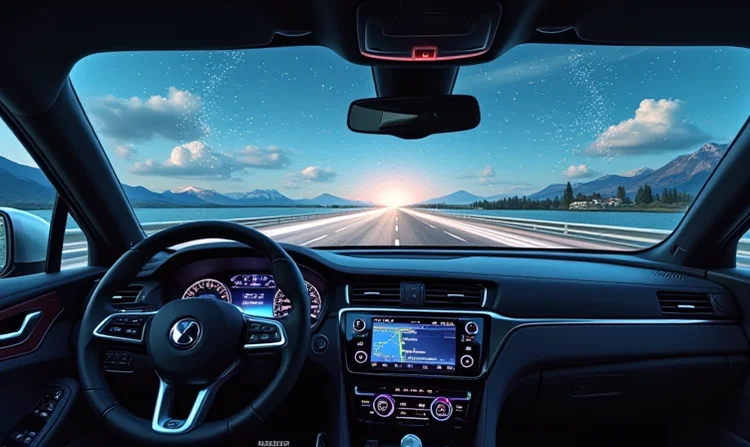
The navigation system is an integral part of the modern car, providing drivers with information about routes, traffic jams and interesting places. Choose accessories to optimize your car's navigation system here. Developments in GPS and mapping technologies significantly improve the convenience and safety of driving.
🌐 GPS and Augmented Reality
GPS integration with augmented reality (AR) technologies brings a new level of navigation capabilities:
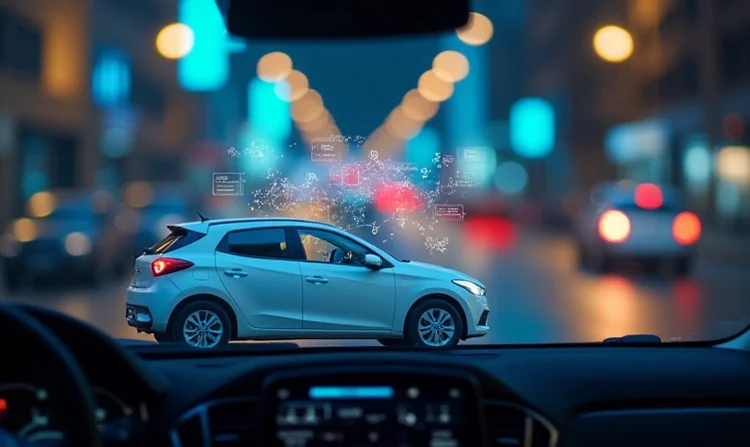
- AR navigation. Displaying navigation information directly on the windshield allows drivers to focus on the road, minimizing distraction.
- Interactive maps. AR maps can show important information about nearby objects, enriching the travel experience with new ones.
🚗 Intelligent Navigation Systems
The development of artificial intelligence (AI) and machine learning allows us to create more intelligent and adaptive navigation systems:
- Route prediction: Systems can analyze driving habits and suggest optimal routes based on current traffic and personal preferences.
- Voice control: Natural language recognition simplifies interaction with the navigation system, allowing drivers to control it using voice commands.
🌍 Advanced Mapping and GPS Features
Modern navigation systems use advanced mapping data and GPS technology to ensure accurate and up-to-date information:
- Real time and updates. Maps are constantly updated to reflect changes in road conditions and infrastructure.
- Integration with cloud services. Cloud technologies allow you to synchronize navigation data between different devices and provide access to the latest information.
🛰️ GPS Accuracy and Reliability
Improvements in GPS technology are increasing the accuracy and reliability of navigation systems:
- Dual GPS system. Using signals from two different satellite systems improves positioning accuracy.
- Improved signal processing. Advanced signal processing algorithms minimize errors due to noise and shadowing.

📊 Comparison of Types of Navigation Systems
Let's consider the main types of navigation systems and their characteristics:
This chart helps you understand how different types of navigation systems can meet the different needs of drivers.
📲 Navigation Integration with Mobile Devices and Applications
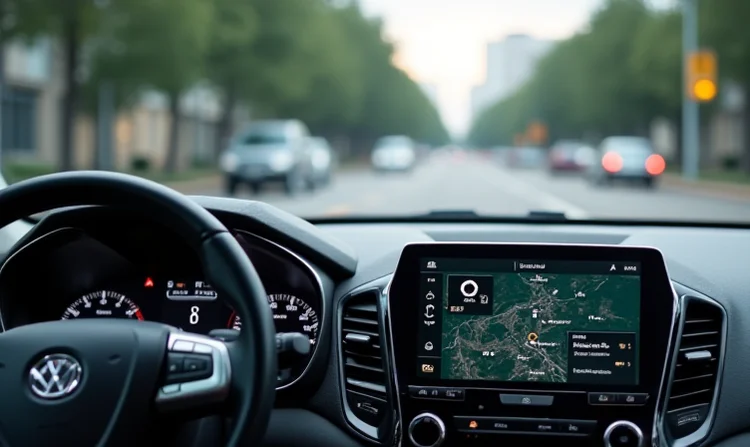
Modern navigation systems integrate with mobile devices and applications, providing drivers with expanded functionality and convenience:
- Sync with smartphones: Drivers can use apps on their smartphones to control the navigation system and access additional information.
- Voice control. Integration with voice assistants provides touchless navigation control, which increases driving safety.
🚦 Adaptation to Road Conditions
Modern navigation systems are able to adapt to changes in road conditions:
- Real-time traffic information. Systems provide up-to-date information on traffic congestion and suggest alternative routes.
- Road Event Alerts: Drivers can receive notifications about accidents, roadworks, and other road events.

🌐 Global Coverage and Localization
The expansion of global coverage and localization of navigation systems makes them even more useful for international travel:
- Multilingual interfaces. Support for various languages makes navigation systems accessible to a wide range of users.
- Coverage of multiple countries and regions: Updated maps include road networks across multiple countries, making it easier to plan international trips.
🌟 The Future of Navigation Technologies
The prospects for the development of navigation systems point to integration with more advanced technologies and increased levels of autonomy:
- Integration with autonomous driving. Future navigation systems will work closely with autonomous driving systems to provide seamless and safe navigation.
- Machine learning and forecasting: Systems will be able to analyze large amounts of data and predict possible changes on the roads, improving route planning.
📈 Table: Evolution of Navigation Systems
Let's look at how navigation systems have evolved over time:
This chart shows how navigation systems have evolved from simple GPS navigators to integrated systems with artificial intelligence.
📘 Conclusion
Navigation technology continues to evolve, offering increasingly advanced and intuitive solutions for drivers. From improved GPS systems to integration with autonomous driving and machine learning, these innovations promise to make car travel even safer, more comfortable, and more efficient.
| System Type | Description | Advantages |
|---|---|---|
| Traditional GPS | Standard GPS systems | Accessibility, wide coverage |
| Intelligent navigation | Systems with AI and machine learning m | Adaptability, personalized routes |
| AR navigation | Integration with augmented reality | Interactivity, improved visualization |
| Integrated systems | Systems synchronized with cloud services | Data relevance, multi-platform |
| Generation | Peculiarities | Advantages |
| — | — | — |
| 1st | Basic GPS navigators | Simple positioning |
| 2nd | Integration with real-time traffic | Current information on the traffic situation |
| 3rd | Adaptive systems with AI | Personalized routes, predictions |
| Future | Connecting with Autonomous Driving | Full integration and automation |
