
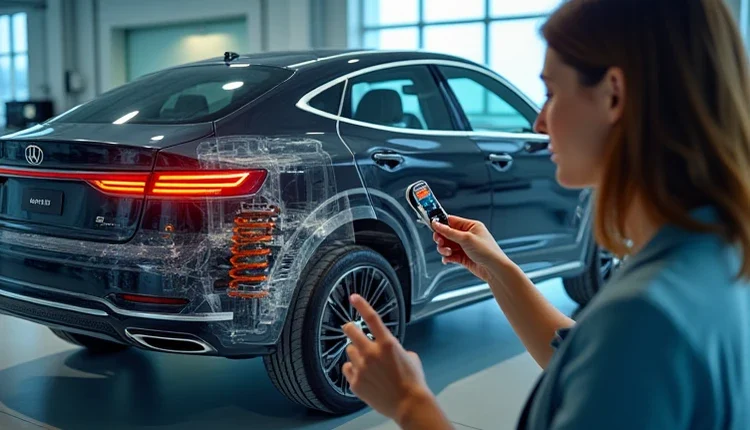
Technologies for improving the suspension system
Modern suspension system technologies are aimed at improving the comfort, control and safety of the car. Choose accessories to optimize the suspension system of your car here.
🚗 Development of Suspension Technologies
Modern suspension technologies provide better control and comfort while driving:
- Adaptive suspension. Automatically adjusts the shock absorber stiffness depending on road conditions and driving style.
- Air suspension. Allows you to adjust the height of the vehicle's clearance, providing optimal stability and comfort.
🌐 Improved Shock Absorbers and Springs
Innovations in shock absorbers and springs significantly improve suspension performance:
- Magnetorheological shock absorbers. They change their rigidity due to a magnetic field, providing high adaptability to road conditions.
- Progressive springs. Offer the best balance between comfort and handling, adapting to loads.
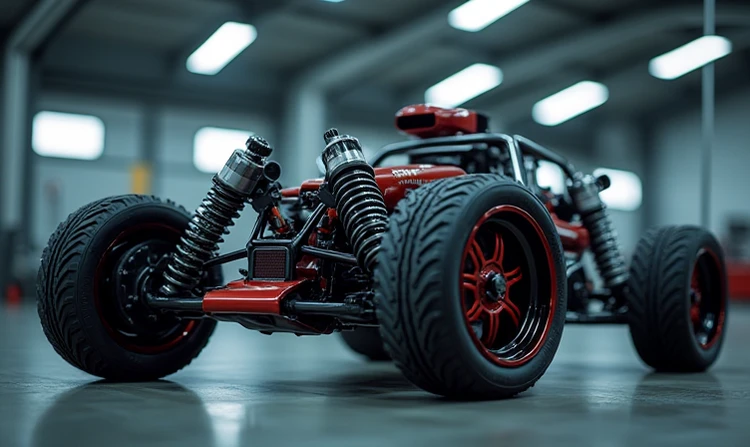
🚀 Electronic Suspension Control Systems
Electronic suspension control systems provide advanced capabilities to optimize driving:
- Electronic control of shock absorber stiffness. Allows the driver to choose between sport mode and comfort mode.
- Active roll stabilization systems. Help reduce vehicle roll when cornering, improving handling and stability.
🌐 Integration with Other Vehicle Systems
Modern suspension systems are integrated with other vehicle systems to provide better interaction and efficiency:
- Communication with the engine management system. Ensures optimal suspension operation depending on the driving mode.
- Integration with safety systems. The suspension can adapt in critical situations to improve safety.
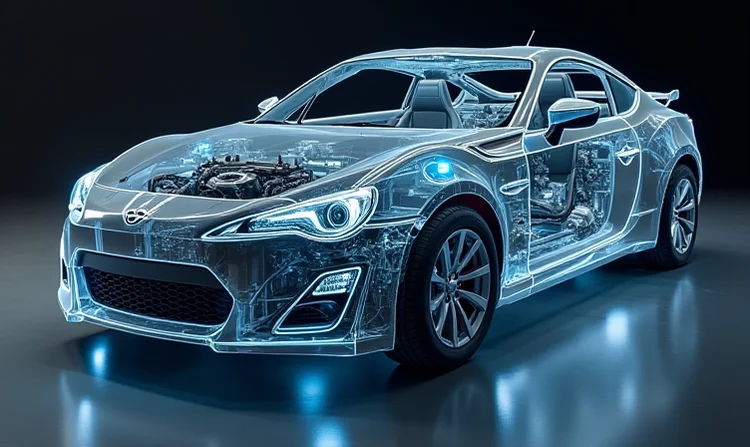
🚗 New Materials in Suspension Systems
The use of innovative materials in suspension systems helps improve its characteristics:
- Composite materials. Lightweight and durable, they improve performance and reduce the overall weight of the vehicle.
- Improved metal alloys. For shock absorbers and springs, increasing durability and reliability.
🌿 Environmental Aspects in Suspension Systems
Taking into account environmental trends, manufacturers are also focusing on the environmental friendliness of suspension systems:
- Recycling of suspension materials. Using recycled or eco-friendly materials to reduce environmental impact.
- Reduced vehicle weight. Lightweight suspension reduces the overall weight of the vehicle, which leads to lower fuel consumption and emissions.
🚀 Innovations in Hydraulic Suspension Systems
Hydraulic suspension systems continue to improve, providing high levels of comfort and control:
- Adaptive hydraulic shock absorbers. Automatically adjust to road conditions, ensuring a smooth ride.
- Hydraulic anti-roll systems. Reduce body tilt in turns, improving vehicle stability.

📱Integrating Suspension Systems with Smart Technologies
Integrating suspension systems with smart technologies provides improved control and adaptability:
- Link to vehicle information systems. Allows drivers to adjust the suspension system via a central interface.
- Suspension analytics and diagnostics. Systems that analyze the condition of the suspension and inform about the need for maintenance.
🌟 Personalization and Adaptability of the Suspension System
Personalization of the suspension system allows drivers to customize the car to their preferences:
- Selectable driving modes. Drivers can choose between comfort, sport or economy suspension modes.
- Real-time adaptive suspension. Automatically adapts to changes in road conditions, providing optimal comfort and control.
🚗 Interaction of the Suspension System with Other Technologies
Modern suspension systems are integrated with other vehicle technologies to provide better interaction and efficiency:
- Dynamic Control Link: The suspension is synchronized with the vehicle's control system to ensure optimum performance.
- Coordination with safety systems. The suspension reacts to safety systems, for example during emergency braking, to minimize the risk of rollover or loss of control.
📘 Conclusion
Suspension technology continues to evolve, offering cars greater levels of comfort, control and safety. From adaptive and electronic systems to integration with smart technologies, each innovation contributes to a better overall driving experience.
