
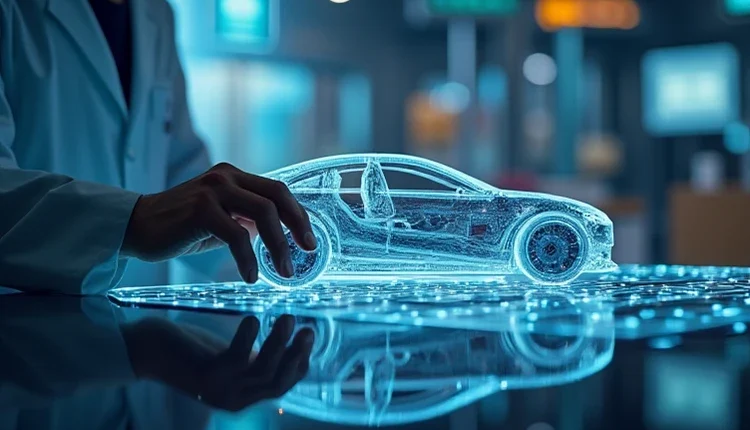
Technologies of the future: what innovations await us 🌐🚀
Technology is developing at a rapid pace, and the automotive industry is no exception. Every year, automakers introduce more advanced and innovative solutions. In this article, we will look at what technologies of the future are already on the threshold and how they will change the world of automotive engineering.
Intelligent security systems 🚦👁️
Modern cars are equipped with various driver assistance systems, but in the future these systems will become even smarter and more autonomous. They will be able to analyze the situation on the road, predict possible dangers and even make decisions independently in critical situations. For example, automatic braking and collision avoidance systems will become standard.
Autonomous Driving: From Dream to Reality 🚗💭
Autonomous cars are no longer just a concept, but are being actively developed by many companies. By 2024, we are expected to see significant advances in this area. These cars will be able to navigate cities and highways completely independently, which will radically change the approach to driving and traveling.
Electrification and sustainability 🌱🔋
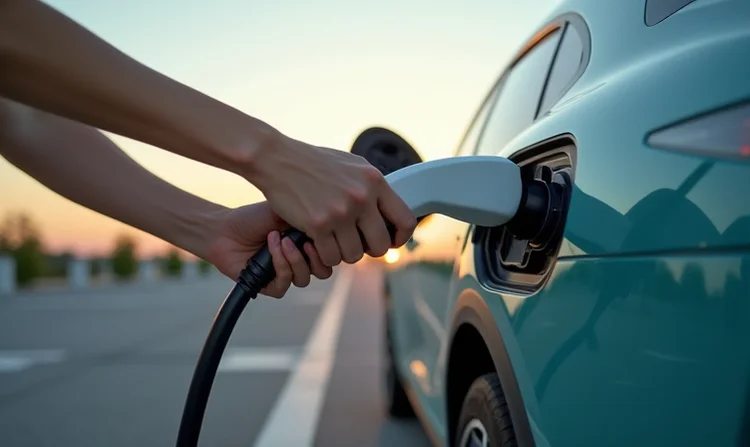
Transition to electric vehicles is one of the main development areas of the automobile industry. More and more companies are investing in the development of electric vehicles. It is expected that in the coming years, electric vehicles will not only become environmentally friendly, but also more accessible to a wide range of consumers.
Development of a network of charging stations 🚉⚡
The development of electric vehicle infrastructure will continue. The creation of a wide network of charging stations around the world will allow electric vehicle owners to travel long distances without worrying about charging the battery. These stations are expected to be equipped with the latest fast charging technologies.
Integration with digital technologies 📲💡
The integration of cars with digital technologies opens up new possibilities. Vehicle-to-vehicle (V2V) and infrastructure (V2I) communication systems will enable real-time data exchange, improving road safety and efficiency. Wireless software update technology for cars is also being developed.
Smart Cities and Infrastructure 🏙️🌍
As car technology advances, cities will change too. Smart city infrastructures that can interact with autonomous and electric vehicles will ensure smoother and safer travel. The introduction of the Internet of Things (IoT) into street infrastructure, such as traffic lights and road signs, will allow cars to navigate better and reduce the likelihood of accidents.
Virtual reality in cars 🕶️🌐
Virtual reality (VR) and augmented reality (AR) technologies will be actively used in cars. They can be used for driver training, navigation, and passenger entertainment. For example, instead of a traditional dashboard, AR displays can be used that project information directly onto the windshield.
Sustainable materials and manufacturing 🌿🏭
Sustainability will be a key factor in car production. Manufacturers will use recycled and biodegradable materials to reduce their environmental impact. Efforts will also be made to reduce CO2 emissions during the production phase of cars.
Augmented reality to help the driver 🧭🚙
Augmented reality systems will be integrated into cars to provide drivers with additional information about the road situation, route directions and potential hazards. This will allow drivers to better navigate the road and make more informed decisions.
Integrating cars with smart homes 🚗🏠
Cars and smart homes will be closely integrated. Your car will be able to automatically control home systems such as heating, lighting and security, preparing your home for your arrival. This is not only convenient, but will also help save energy.
Integration with mobile devices and applications 📱🚗
The connection between cars and mobile devices will become even closer. Smartphone applications will allow not only remote control of the car (for example, starting the engine or opening the doors), but also receiving a full diagnostic of the car's condition, monitoring fuel consumption or battery charge.
Intelligent Transport Systems 🚦🚗
Intelligent transport systems (ITS) will use advanced communications technologies to improve safety, efficiency and convenience. They will be able, for example, to automatically adjust the speed of travel depending on the traffic situation or time of day.
Personalized interior spaces 🌟🚗
The interior of cars will become even more personalized. Drivers and passengers will be able to adapt the interior to their preferences: change the lighting, seat configuration, infotainment systems and even fragrances in the cabin.
Autonomous freight transportation 🚛📦
Autonomous trucks will be used to improve the efficiency and safety of freight transportation. Safe and efficient autonomous trucks will reduce delivery times and minimize the risk of road accidents.
Driverless taxis and on-call services 🚕📲
Ride-hailing services will become even more popular, especially with the development of autonomous driving technologies. Driverless taxis will become commonplace, providing a convenient and affordable way to get around.
