
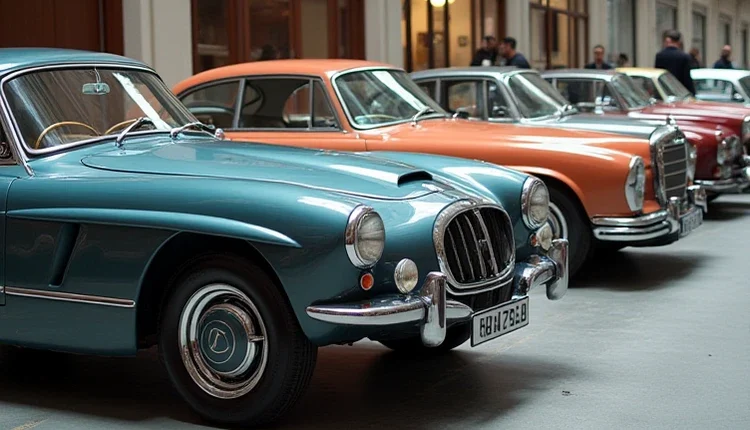
History of car brands: eternal classics 🚗🌟
The automotive industry is constantly evolving, but there are brands that have become the epitome of classicism and quality. Their history is inspiring and shows how a passion for innovation and excellence creates legends. In this post, we will look at some of these timeless classics.
Ford: Synonym of the Automotive Revolution 🚙💡
Founded by Henry Ford in 1903, the Ford Motor Company was a pioneer in mass-produced automobiles. Not only did Ford make the automobile affordable to the average American, but he also introduced a production line that revolutionized the industry. Their Model T, released in 1908, continues to be a symbol of automotive innovation.
Mercedes-Benz: Elegance and Innovation 🌟🚗
With roots dating back to Karl Benz's first automobile in 1886, Mercedes-Benz is a symbol of luxury and technical innovation. From the first car with ABS brakes to today's models with advanced safety systems and autonomous driving, Mercedes-Benz remains at the forefront of automotive engineering.
BMW: Combination of Style and Performance 🚘✨
Founded in 1916, BMW initially produced aircraft engines but soon moved into automobiles. Since then, BMW has become synonymous with style and performance. Their approach to design and innovation has resulted in some of the most desirable cars in the world.
Porsche: Speed and Innovation 🏎️🚀
Founded by Ferdinand Porsche in 1931, Porsche began its history with the Volkswagen Beetle project, but soon became a symbol of racing and sports cars. The Porsche 911, one of their most famous models, demonstrates their constant pursuit of excellence in performance and design.
Rolls-Royce: Luxury and Exclusivity 🌟🚐
Founded in 1906, Rolls-Royce has always been synonymous with luxury and exclusivity. Their cars are not just vehicles, but works of art that embody sophistication and attention to detail. Rolls-Royce continues to be a dream for many, but accessible only to a select few.
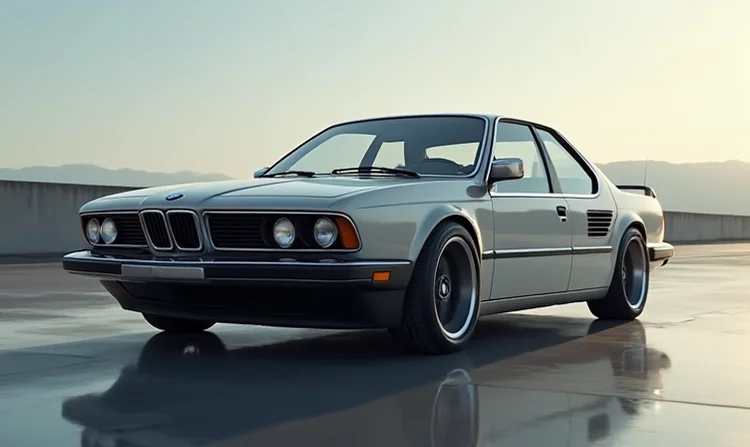
Fiat: Italian Innovation and Design 🇮🇹🚗
Founded in 1899, Fiat embodies the Italian passion for design and innovation. Their models, such as the Fiat 500, have become iconic, demonstrating how a car can become part of a cultural identity. Fiat continues to innovate, focusing on eco-friendly and affordable cars.
Toyota: Japanese Quality and Reliability 🚘🇯🇵
Founded in 1937, Toyota has grown into one of the world’s largest automakers thanks to its focus on quality and reliability. The Toyota Camry and Corolla have become symbols of durability and efficiency. The brand is also a pioneer in hybrid and hydrogen vehicles, confirming its role in the future of the automobile industry.
These brands have demonstrated that the combination of innovation, quality, design and history can create not just cars, but true legends. They continue to inspire new generations of car enthusiasts and remain timeless classics in the automotive world.
Volkswagen: People's Car and Innovation 🚗💡
Founded in 1937, Volkswagen began its history by creating a “people’s car.” The Beetle became an icon, and the Golf continued the tradition of innovation. Volkswagen is actively developing electric vehicles and autonomous driving technologies, confirming its role in the future of the automobile.
Chevrolet: American Symbol 🇺🇸🚘
Chevrolet, part of General Motors and founded in 1911, has become one of the most recognizable American auto brands. Models like the Corvette and Camaro have become symbols of American power and style. Chevrolet continues to innovate, offering a wide range of vehicles from muscle cars to electric vehicles.
Audi: Modern Technologies and Design 🌟🚗
Founded in 1909, Audi is known for its cutting-edge technology and progressive design. Audi was one of the first to use the Quattro all-wheel drive system, which had a huge impact on automotive design and performance. Today, Audi is actively developing electric vehicles, demonstrating its commitment to innovation.
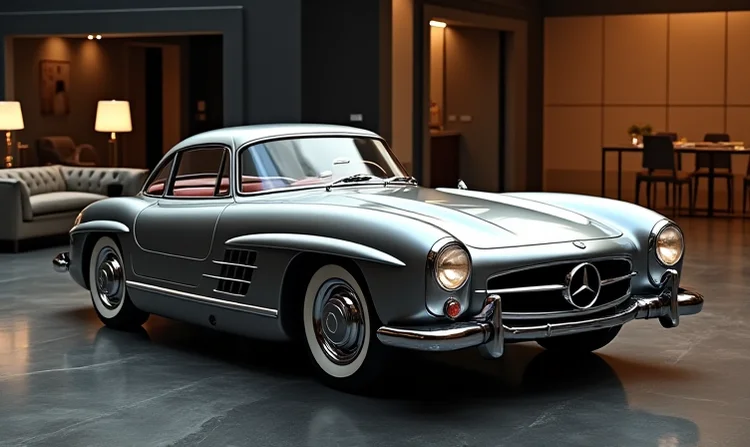
Honda: Innovation and Versatility 🚘🌐
Founded in 1948, Honda began its operations by producing motorcycles but quickly became one of the leading automobile brands. The Honda Accord and Civic have become symbols of reliability and versatility. Honda is also developing hybrid and electric vehicles, with a focus on sustainability.
These brands have shown how important it is to combine tradition with innovation to create cars that inspire and remain in the hearts of fans for decades to come. They not only reflect the history of the automobile industry, but also make a significant contribution to its future.
Tesla: The Electric Car Revolution 🔌🚗
Founded in 2003, Tesla revolutionized the electric vehicle landscape. With models like the Model S and Model 3, Tesla proved that electric cars could combine performance, range, and style. Their innovative approach continues to influence the entire automotive market.
Mercedes-Benz: Symbol of Luxury and Innovation 🌟🚗
Founded in 1926, Mercedes-Benz has long been a symbol of luxury and engineering excellence. With historic models like the 300SL Gullwing and pioneering technologies, Mercedes-Benz remains at the forefront of automotive engineering. Their current focus on electrification and autonomous technology underscores their leading position.
BMW: Synthesis of Tradition and Modernity 🚗✨
Founded in 1916, BMW combines sporty style with innovative technology. With iconic models like the 3 and 5 Series, BMW has demonstrated its ability to adapt while remaining true to its roots. Their latest developments in electric vehicles and autonomous driving highlight this balance.

Ford: A History of Innovation and Accessibility 🚗🔧
Founded in 1903, Ford changed the automotive world with the launch of the Model T, making cars affordable to the masses. With iconic models like the Mustang and F-150, Ford continues to be a major player in the market, especially with its focus on producing affordable and innovative electric vehicles.
These car brands have not only created iconic models, but also continue to be at the forefront of technological progress, demonstrating how tradition and innovation can coexist to meet the needs and desires of motorists.
