
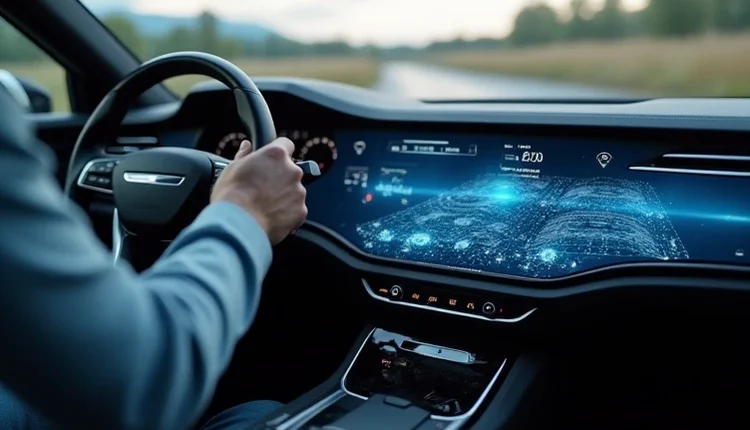
Technologies to improve climate control in the car
Climate control in a car plays a key role in ensuring the comfort of the driver and passengers. Modern technologies offer improved ways to maintain a comfortable temperature in the car, regardless of weather conditions.
🌡 The Importance of Effective Climate Control
Maintaining a comfortable microclimate in the car not only makes the trip more enjoyable, but also contributes to safety by preventing driver fatigue and overheating.
🚗 Innovations in climate control systems
Choose accessories to improve your car's climate control here and check out the latest technology in this area:
- Automatic climate control: Systems that automatically maintain a set temperature in the passenger compartment.
- Zoned Climate Control: Allows different passengers to set the temperature according to their preferences.
🛠 Development of climate control technologies
Modern climate control technologies include not only improved air conditioning and heating systems, but also innovations such as air purification filters and window defogging systems.
🔄 Integration with smart technologies
Integration of climate control systems with smart technologies and applications allows you to control the microclimate in your car remotely, even without being in it.
🌐 Intelligent climate control using AI
The use of artificial intelligence (AI) in climate control systems allows automatic adaptation of the cabin temperature based on external conditions and passenger preferences. AI can analyze weather conditions, time of day, and even physiological indicators of passengers to optimize the climate.
- Adaptive climate control: The system automatically adjusts parameters depending on external conditions.
- Personalization of settings: AI remembers the preferences of different drivers and passengers.
🌿 Eco-friendly climate control technologies
Environmental aspects are becoming increasingly important in the development of climate control systems. The use of energy-efficient components and ozone-friendly refrigerants helps reduce the environmental impact.
- Energy efficiency: Systems that minimize energy consumption.
- Ozone-friendly refrigerants: Use of refrigerants that do not harm the ozone layer.

📲 Remote climate control via mobile applications
Mobile apps allow drivers to control the climate control system even from a distance, for example to pre-cool or pre-heat the car interior before a trip.
- Remote Access: Ability to turn on the climate control system before you enter the vehicle.
- Individual settings: Set the desired temperature via smartphone.
🌬 Advanced ventilation and air purification functions
Modern climate control systems include advanced ventilation and air purification functions, ensuring not only a comfortable temperature but also clean air in the cabin. This is especially important for people with allergies or sensitivity to pollution.
- HEPA filters: Remove allergens and small particles from the air.
- Ionization systems: Help eliminate odors and bacteria, providing fresh air in the cabin.
🖥 Digital interfaces for climate control
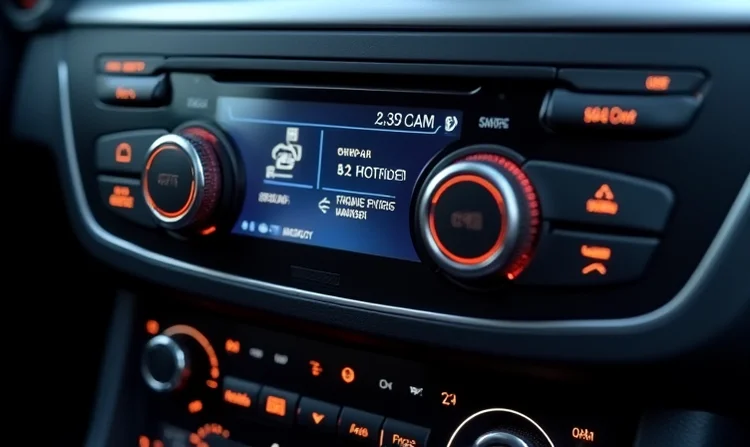
Digital interfaces and touch screens make it easy to operate climate control systems, offering intuitive and customizable settings. These systems can include visual indicators and settings for each zone in the vehicle.
- Intuitive controls: Touch screens for easy system setup and control.
- Interface customization: Ability to adapt the display to personal preferences.
🌞 Integration with smart car systems
Integrating climate control systems with other smart vehicle functions, such as autonomous driving and safety systems, provides more harmonious and efficient control over the interior climate.
- Synchronisation with other systems: Climate control can automatically adapt to driving conditions and driver preferences.
- Smart Optimization: The system can adjust the temperature based on the outside temperature and humidity data.
🌡 Development of climate systems taking into account ecology
Taking into account global environmental trends, car manufacturers are actively working to create climate systems that are not only efficient but also environmentally friendly. This includes the use of environmentally friendly refrigerants and energy-efficient technologies.
- Reducing greenhouse gas emissions: Using environmentally friendly refrigerants that reduce the impact on the environment.
- Improving energy efficiency: Designing systems that use less energy and help reduce overall fuel consumption.
🚘 Climate control in electric cars
In electric vehicles, climate control systems must be particularly efficient, as they directly affect the range. Electric vehicle manufacturers are integrating innovative solutions to maximize energy efficiency.
- Heat pumps: Efficient heating systems that extend your range.
- Smart Energy Management: Systems that automatically optimize energy use for climate control.
📊 Analytics and personalization of climate settings
Modern climate control systems can collect data on user preferences and analyze it to create individual climate setting profiles, ensuring optimal comfort for each passenger.
- Personalized settings: Systems can remember individual user preferences and apply them automatically.
- Comfort data analysis: Uses external conditions and preferences to automatically adjust the climate.
🏁 Conclusion: The Future of In-Car Comfort
Climate control technologies in cars will continue to evolve, offering increasingly intelligent, efficient and environmentally friendly solutions. From smart temperature management to integration with the smart car ecosystem, these systems will play a key role in ensuring comfort and safety on the road.
