
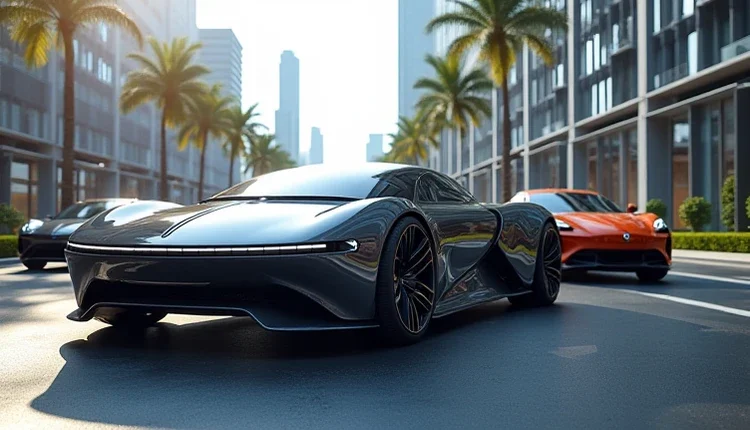
Revolution in Design: Cars of the Future 🚀🚗
New Era in Car Design 🌟🛠️
The automotive world is on the threshold of revolutionary changes. Here you will find accessories for new generation cars. Conceptual design of cars of the future is no longer just a fantasy, but a reality that forms new standards of style and functionality.
🔹 Innovative Solutions in Design
Every year, car concepts become more daring:
- Aerodynamic Shapes: Creating Lighter, Faster Cars.
- Eco-Friendly Materials: Use of recycled and biodegradable materials.
🔹 Technology and Design
Technological advances affect the appearance of cars:
- Screen and Sensor Integration: Fully digital control panels.
- Adaptive Lighting: An intelligent lighting system that changes according to the conditions.
🔹 Future Car Concepts
Conceptual models demonstrate the direction of development of automobile design:
- Cars – Transformers: Possibility of changing the shape of the body.
- Flying Cars: Integration of VTOL (vertical takeoff and landing) technologies.
🔹 Smart Technologies and Security
Improving security through intelligent systems:
- Autonomous Driving Systems: More efficient and safer control algorithms.
- Innovative Safety Systems: Advanced collision avoidance systems.
🔹 Style and Individuality
Individualization is becoming a key trend:
- Personalized Design: Possibility of complete customization of the exterior and interior.
- Interactive Elements: LED displays and projections on the car body.
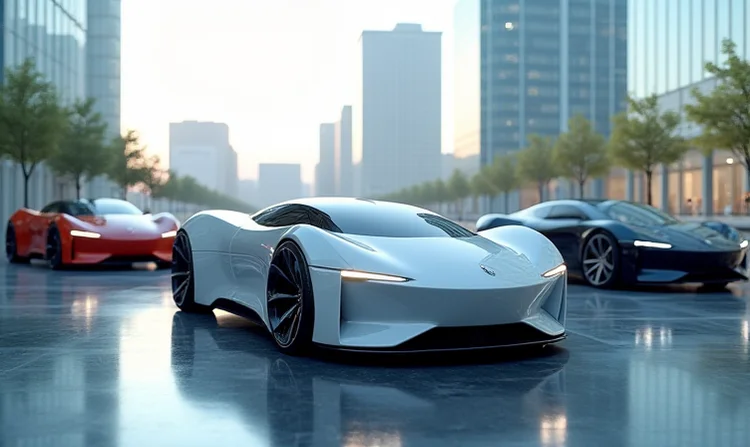
Impact On The Automotive Industry 🌍🚘
The revolution in car design opens up new horizons for manufacturers and consumers:
- Environmental Trends: Demand for environmentally friendly vehicles is increasing interest in innovative materials and technologies.
- Global Competition: Manufacturers strive to offer unique design solutions to attract new customers.
Conclusions and Prospects 📈🔮
The design of cars of the future reflects the desire for innovation, ecology and individuality. It is becoming not only a means of transportation, but also an expression of personality, the embodiment of technological progress and style. Current trends indicate that cars will not just be a means of transportation, but an integrated part of everyday life, reflecting the individuality of each driver.
Transformation of the Automotive Market 🌐🚗
The development of auto mobile design and technologies leads to significant changes in the market:
🔹 New Business Models
- Car Subscription Services: Providing cars as a service rather than a commodity.
- Developing Own Ecosystems: Creating integrated services for motorists.
🔹 Changing Role of Car Dealerships
- Virtual Car Showrooms: Providing the opportunity to virtually inspect and test drive cars.
- Personalized Consultations: Individual approach to each client.
🔹 Technological Partnerships
- Collaboration with Technology Companies: Development of smart solutions for cars.
- Smart Cities Integration: Connecting vehicles with city infrastructure to improve efficiency and safety.
🔹 Investments in Research and Development
- Innovative Materials: Using lightweight and durable materials to improve performance.
- Clean Technologies: Development of zero emission and renewable energy sources.
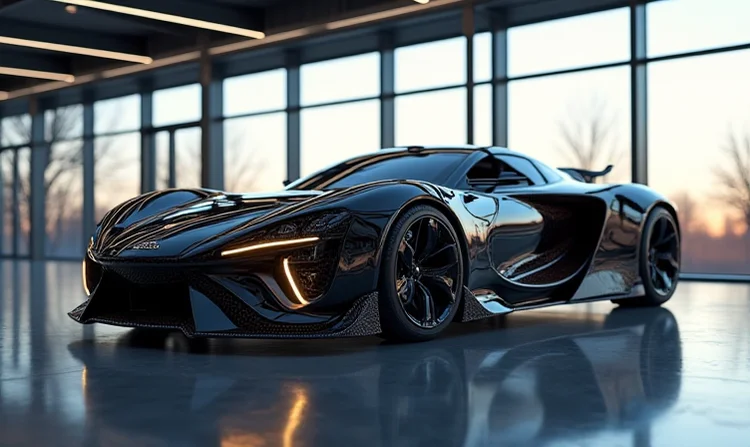
Examples of Concept Cars 🚙🌌
Concept cars not only demonstrate technological capabilities, but also offer a new perspective on the future of mobility:
- Car-Drone: Combination of car and drone capabilities for movement in air and ground spaces.
- Car with Artificial Intelligence: Interaction with the driver, learning and adaptation to his habits and driving style.
- Electric Cars with Solar Panels: Using solar energy to charge batteries.
Conclusions and the Future of the Automotive Mobile Industry 🚀🌍
The design and technology of future vehicles open up new perspectives for manufacturers and consumers. They offer not only new forms of transportation, but also new ways of interacting with vehicles, making them more integrated into our lives. The automotive industry faces the challenge of adapting to changing needs and creating products that meet the demands of a new generation of drivers.
Impact on Ecology and Urbanism 🌿🌆
Cars of the future promise not only technological innovations, but also a positive impact on the environment and urban infrastructure:
🔹 Ecological Aspect
- Reduce Emissions: Electric and hybrid vehicles reduce the carbon footprint.
- Sustainable Production: Use of recyclable materials and renewable energy sources.
🔹 Urban Infrastructure
- Smart Roads: Connecting cars with road infrastructure to reduce congestion and accidents.
- Smart Parking: Automated parking systems for optimal use of space.
Tech Trends and Innovations 🚀🔧
The future of the automobile is not limited to design and ecology. The following technological trends are shaping the development of the industry:
- Autonomous Driving: The development of self-driving car technologies.
- Device Integration: Connect cars with smartphones, smartwatches and home systems.
- Personalized Features: Adapt the vehicle to the driver's individual preferences.
Prospects and Consumer Trends 📈👥
Changes in the automotive industry also impact market trends and consumer demand:
- Growing Interest in Green Models: Increasing Demand for Electric Vehicles and Hybrids.
- The Value of Smart Features: Consumers value innovations that enhance convenience and safety.
- Changes in Buyer Preferences: Shifting emphasis from traditional characteristics to technological innovation and sustainability.
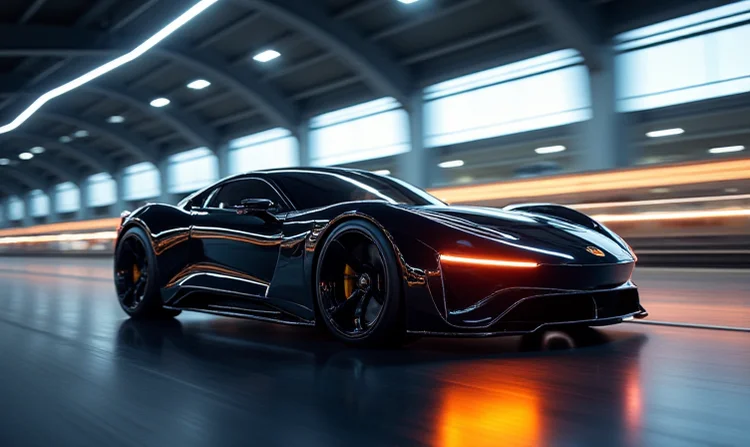
Conclusions and Summary 🎯🌍
The automotive innovations and technological innovations of 2024 promise to change the way we travel. They will not only change the way cars look and function, but will also have a significant impact on the environment, urban infrastructure, and people’s lifestyles. Together, car manufacturers and consumers are standing at the threshold of a new era in the automotive industry, full of opportunities and promises.
