
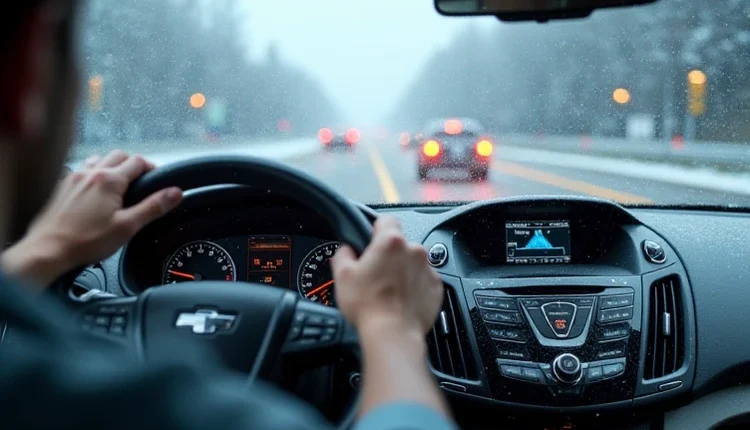
The Impact of Weather Conditions on Driving Safety: Tips for Drivers 🌧️🚗
Everyone knows that the weather can have a significant impact on driving safety. In this article, we will look at how different weather conditions can affect traffic and offer useful tips for drivers in Germany, the USA and Europe. It is important to remember that preparing for any weather conditions begins with choosing the right accessories. Choose accessories for any weather to always be safe on the road.
🌨️ Snow and Ice
How Snow and Ice Affect Roads
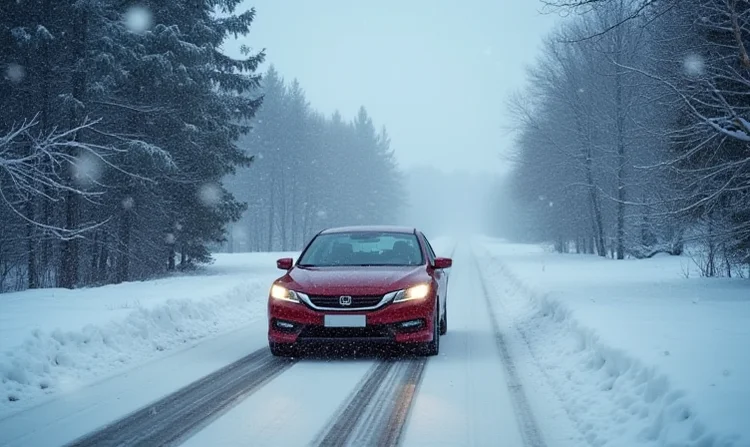
Snow and ice are among the most dangerous weather conditions for driving. Snow reduces visibility and makes the road surface slippery, which increases the risk of skidding and accidents.
Tips for Driving in Snowy Weather
- Use winter tires: Winter tires provide better traction on snow and ice.
- Reduce speed: Speed should be adapted to road conditions.
- Keep your distance: Increase your distance from other vehicles as braking distances increase.
🌧️ Rain and Wet Roads
The Impact of Rain on Driving
Rain can cause hydroplaning, where water under your tires prevents contact with the road, making it more difficult and dangerous to control your vehicle.
Tips for Driving in Rainy Weather
- Use tires with good tread: Provides better grip on wet roads.
- Turn on your headlights: Improves visibility and makes your vehicle more visible to others.
- Avoid Puddles: Water in puddles can cause hydroplaning.

🌬️ Wind
How Wind Affects Driving
Strong winds can be particularly dangerous for large and tall vehicles such as trucks and vans, as they increase the risk of rollover.
Tips for Driving in Strong Winds
- Be careful on bridges and roads near open spaces: Winds can be especially strong here.
- Keep a firm grip on the steering wheel: Sudden gusts of wind can change the direction of travel.
🌞 Bright Sunlight
The Effect of Sunlight on Driving
Strong sunlight can blind drivers, especially in the morning and evening hours when the sun is low on the horizon.
Tips for Driving in Bright Sunshine
- Use sunglasses: These will help reduce glare and improve visibility.
- Adjust the visor: Use the visor to block direct sunlight.
- Turn on your headlights: This will help other drivers notice your vehicle.

🌫️ Fog
How Fog Affects Driving
Fog greatly reduces visibility, making driving especially dangerous. In such conditions, it is easy to miss other cars or road signs.
Tips for Driving in Fog
- Use fog lights: They help improve visibility.
- Slow down: Fog requires more careful and alert driving.
- Do not use high beams: This may cause light reflection from fog and further reduce visibility.
🌡️ High and Low Temperature
The Effect of Temperature on Driving
High temperatures can cause the engine to overheat, while low temperatures can cause the fluids in the car to freeze.
Tips for Driving in Extreme Temperatures
- Check the condition of your car: This is especially important before long trips.
- Have a set of necessary tools and materials with you: For example, antifreeze for low temperatures and water for the cooling system for high temperatures.

Results
Road safety depends largely on weather conditions. It is important for drivers to be prepared for any changes in weather and to adapt their driving style accordingly. Remember that your safety and the safety of other road users is the most important thing.
💡 Practical Tips and Recommendations
Key Points for Safe Driving
- Travel Planning: Monitor the weather forecast and plan your travel accordingly.
- Regular vehicle maintenance: Check the condition of your tires, brakes, lights and other important systems.
- Adapt your driving style: Adapt your speed, distance and driving techniques according to weather conditions.
📚 Training and Preparation
The Need for Continuous Learning
It is important to regularly improve your driving skills and road safety knowledge. Taking a defensive driving course can greatly improve your skills and prepare you for driving in difficult weather conditions.
Recommended Courses
📈 Statistics and Analysis
The Impact of Weather on Road Accidents
Let's take a look at some statistics showing the impact of weather conditions on road accidents.
These data show that the majority of accidents occur in poor weather conditions, highlighting the importance of proper preparation and driving adaptations.
📖 Quote
“Driving is not just about driving a car, it’s about managing the situation on the road, especially in difficult weather conditions.” – Road safety expert
Conclusions
Remember that road safety in bad weather is a result of your knowledge, preparation and responsibility. Be attentive and careful, and then every trip you make will be safe.
🚦 Final Thoughts and Recommendations
The Importance of Caution and Foresight
The final aspect of safe driving in various weather conditions is to always exercise caution. Being aware of your driving and taking into account all possible risks will help you avoid many dangerous situations.
Latest Tips
- Always keep an emergency kit in your car: Include a blanket, flashlight, extra food and water.
- Learn and practice: Constantly improve your driving skills, especially in bad weather.
- Monitor weather conditions: Use weather tracking apps and websites, such as Weather.com.
🔗 Useful Resources
For more information on driving safety and preparing for different weather conditions, visit the following resources:
Take care of yourself and others
Remember that driving is a big responsibility. Be careful and cautious on the road, especially in difficult weather conditions. Your safety and the safety of other road users should come first.
| Weather Conditions | Percentage of road accidents |
|---|---|
| Clear weather | 25% |
| Rain | 35% |
| Snow/ice | 30% |
| Fog | 10% |
