
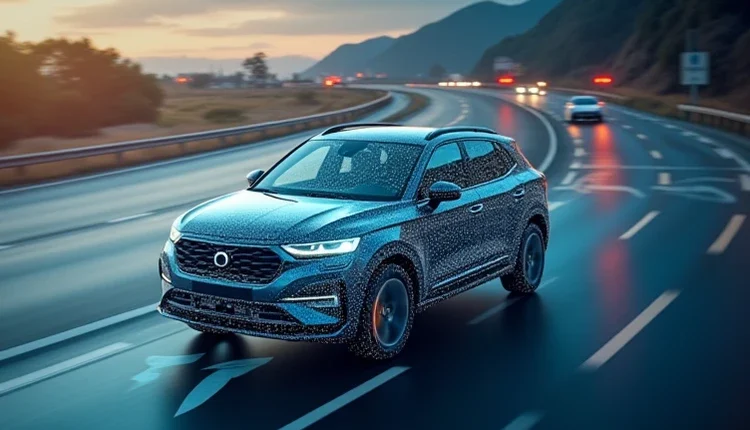
What technologies make cars safer? 🚗💡
In today's world, car safety is a key factor when choosing a car. Various technologies and safety systems play an important role in protecting drivers and passengers. In this article, we will look at advanced technologies that have made cars more reliable and safer.
Automatic Emergency Braking (AEB) 🚦
The AEB system is a technology that helps prevent collisions or reduce their consequences. It uses various sensors to monitor the road situation and, if necessary, automatically activates the brakes. This technology is especially effective at low speeds, which are typical in urban conditions.
Blind Spot Monitoring and Lane Departure Warning Systems 🛣️
These systems use radar or cameras to detect vehicles in blind spots and warn the driver of potential danger when changing lanes. Lane departure warning monitors road markings and warns the driver if the car begins to unintentionally drift out of its lane.
Adaptive cruise control with Stop-and-Go function 🚗↔️🚗
This technology allows the car to maintain a safe distance from the vehicle in front by automatically adjusting the speed. The Stop-and-Go function allows the system to stop the car in traffic jams and automatically continue driving when it becomes possible.
Tire Pressure Monitoring Systems (TPMS) 🚙🔍
TPMS is a system that continuously monitors tire pressure and alerts the driver if it falls below a safe level. Correct tire pressure is important for vehicle handling stability and braking performance.
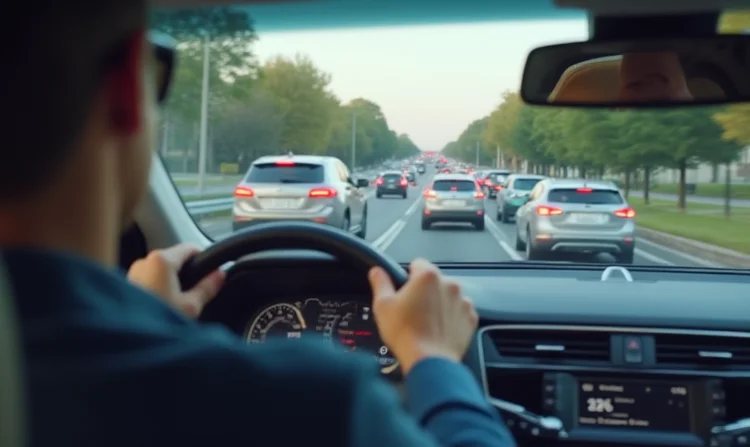
Night vision system with pedestrian detector 🌃🚶
The night vision system detects pedestrians and animals on the road in low visibility conditions. This is especially useful at night, when the risk of an accident increases. The system uses thermal imaging or infrared cameras to detect people and animals that may be in the vehicle’s path.
Anti-theft and anti-intrusion systems for cars 🚔
Modern cars are equipped with complex security systems, including immobilizers, alarms and real-time vehicle tracking. These systems significantly reduce the risk of theft and unauthorized access to the car.
Parking assistants and rear view cameras 🅿️🎥
Rear view cameras and parking assistants help drivers maneuver safely in tight spaces, preventing collisions with obstacles and other cars. These systems are especially useful in urban areas, where parking space is often limited.
eCall active safety system 🆘
The eCall system automatically calls emergency services in the event of a serious accident. This reduces the response time of rescue services and can save lives in critical situations.
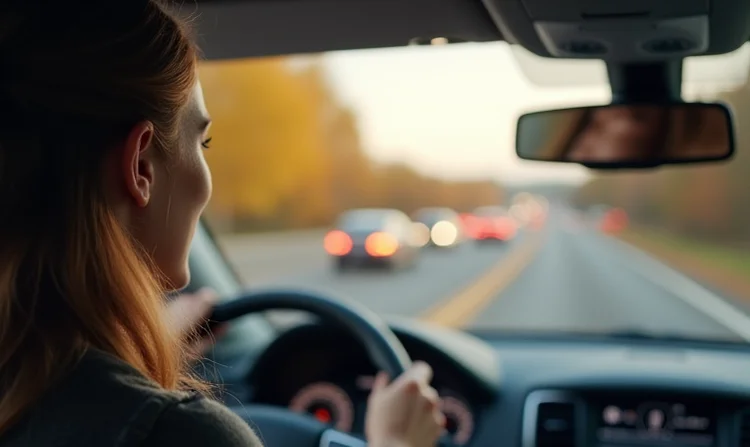
Automatic blind spot monitoring 🚘👁️
Blind spot monitoring systems warn the driver of other vehicles in hard-to- see areas. This reduces the risk of collision when changing lanes and overtaking, increasing driving safety, especially on multi-lane roads.
Driver Attention Monitoring Systems 🧠🔍
These systems monitor the driver's level of attention and fatigue, warning them when they need to rest. They track head movements, blinking frequency, and general driver behavior, identifying signs of fatigue or drowsiness.
Automatic emergency braking systems (AEB) 🚦⛔
AEB systems are designed to prevent or mitigate collisions. They automatically apply the brakes if they detect an imminent risk of collision and the driver does not respond to warning signals.
Adaptive cruise control with follow function 🚗➡️
Adaptive cruise control allows the car to maintain a safe distance from the vehicle in front by automatically adjusting the speed. This reduces driver fatigue on long journeys and helps avoid accidents.

Conclusions and results
Automotive safety technology is constantly improving. From anti-theft systems to adaptive cruise control, all these innovations contribute to increased safety on the roads. When choosing a car, it is worth considering the presence of these systems to ensure both your own safety and the safety of others.
