
🌟 Trends in the automotive industry: what will change in the coming years? 🌟
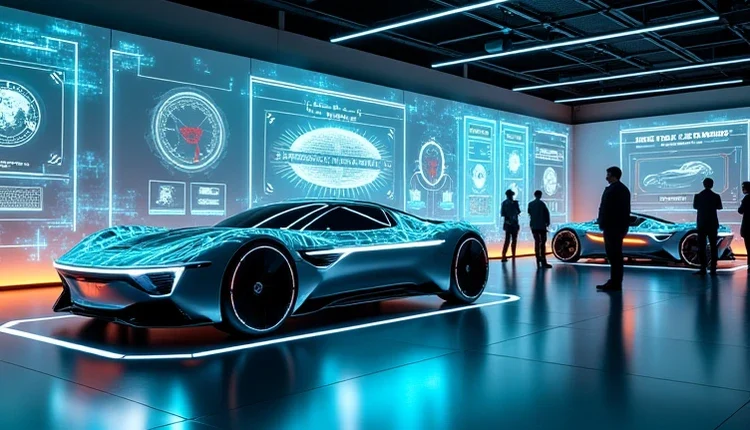
The modern world of automotive engineering is on the verge of great changes. Here you will find accessories on the latest trends that will help you stay up to date with the latest innovations. Let's look at the key trends that will shape the face of the auto industry in the coming years.
🚗 Electrification and Ecology 🌿
Electric cars are no longer just a fashion trend; they are becoming an integral part of the automotive world. Manufacturers are focusing their efforts on developing electric engines, as well as improving battery technology, which allows for increased driving range on a single charge. Environmental safety and reducing CO2 emissions are becoming priorities for the entire industry.
🚀 Autonomous Driving and AI 🤖
The integration of artificial intelligence into car systems is one of the most important trends. Developments in the field of autonomous driving continue to gain momentum, and many companies are already testing cars that can move independently on city and country roads. This promises not only an increase in safety, but also a radical change in the perception of the driving process itself.
🌐 Integration with the digital world
Modern cars are increasingly integrated with the digital world. This includes not only navigation and multimedia systems, but also the ability to remotely control the car's functions, as well as its interaction with the “smart home” and other devices. The concept of a “connected car” opens up new horizons for the comfort and safety of drivers and passengers.
💡 Materials and Production Technologies
Innovations do not bypass the materials from which cars are made. The use of new, lightweight and durable materials allows improving the energy efficiency and safety of cars. Manufacturers are experimenting with various alloys, composite materials, and new production methods such as 3D printing.
🌍 Sustainable Production and Recycling
An important aspect of the modern automobile industry is sustainable production. This includes the use of recycled materials, reduced water and energy consumption on production lines, and programs for recycling cars at the end of their life cycle. In this way, the industry strives to minimize its ecological footprint.
📈 Personalization and Customization
The growing demand for personalization of cars leads to the fact that manufacturers offer ever wider possibilities for customization. This can be a choice of color, interior trim, various safety and comfort options. Customers want their car to reflect their personality and lifestyle, and the market is actively adapting to these requests.
🌐 Development of network infrastructure
Infrastructure development, especially in the area of electric vehicle charging stations and data networks, is a key factor for further progress in the automotive industry. Increasing the number of charging stations, improving their availability and charging speed is an important step towards a complete transition to electric transport.
🌏 Implementation of the Internet of Things (IoT)
The integration of the Internet of Things (IoT) into the automotive industry is changing the way drivers interact with their cars. From remotely monitoring vehicle functions to collecting real-time data on road conditions and traffic jams, IoT is opening up new horizons for improving safety and driving comfort.

🤖 Development of artificial intelligence
Artificial intelligence (AI) is playing a major role in the development of next-generation cars. From autonomous driving systems to smart assistants that can predict the needs of the driver and passengers, AI not only improves safety, but also makes driving more intuitive and enjoyable.
🚗 Development of Autonomous Vehicles
Autonomous vehicles continue to evolve, promising to revolutionize the urban environment. Fully autonomous vehicles, capable of driving without human intervention, promise to reduce traffic accidents and improve traffic efficiency.
🌿 Environmental Initiatives and Electric Vehicles
Environmental trends and the desire to reduce carbon emissions have led to a rise in the popularity of electric vehicles. Automakers are investing heavily in developing larger batteries and charging networks, making electric vehicles more accessible and convenient for consumers.
📈 Development of Car Sharing System
Car sharing and carpooling systems are gaining popularity, offering flexible and cost-effective solutions for urban transport. This trend helps reduce the number of cars on the road and reduce pollution.

🛠 Innovations in Materials and Manufacturing Technologies
Innovations in materials and manufacturing technologies are opening up new possibilities for creating light, strong, and energy-efficient vehicles. Using advanced materials such as carbon fiber and aluminum helps reduce vehicle weight, increase strength, and improve fuel efficiency.
