
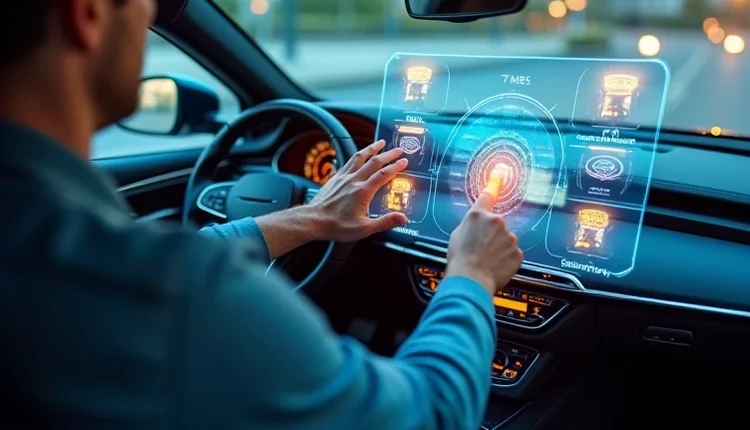
Innovations in car safety systems
Road safety is a priority for car manufacturers. Modern technologies significantly increase the level of safety. Choose accessories to improve the safety of your car here.
🚗 Emergency Braking Systems
Automatic Emergency Braking (AEB) systems are one of the key innovative solutions in the field of safety:
- Automatic braking: The system can automatically slow down or stop the vehicle if it detects a potential collision.
- Sensors and cameras. Provide accurate detection of obstacles and calculation of the required braking force.
🌐 Collision Warning Systems
Collision warning systems complement AEB, providing an additional level of safety:
- Visual and sound signals. Warn the driver of the possibility of a collision.
- Adaptive algorithms. The system adapts to driving style and road conditions.
🚀 Adaptive Cruise Control and Lane Keeping Assistance
Modern cars are equipped with systems that improve safety and comfort during long trips:
- Adaptive cruise control. Automatically maintains a safe distance from the vehicle in front, adapting the speed to the traffic situation.
- Lane keeping systems: Warn the driver of an unintentional lane departure and can automatically correct the trajectory.
🌐 Blind Spot and Rear View Monitoring Systems
To ensure safety when changing lanes and maneuvering:
- Blind spot sensors: Warn the driver of vehicles in blind spots that are not visible in the mirrors.
- Rear view cameras. Increase safety when reversing by providing a clear view of the area behind the vehicle.
🚗 Active Safety Technologies
Active safety technologies help prevent accidents:
- Driver fatigue monitoring systems. Analyze driver behavior and may suggest taking a break if signs of fatigue are detected.
- Automatic activation of hazard warning lights. In the event of sudden braking, the system warns drivers behind of the danger.
🌿 Environmental Aspect of Security Systems
Environmental aspects of security systems are also becoming important:
- Energy efficiency. Using technologies that minimize energy consumption helps reduce the ecological footprint.
- Sustainable materials. Use of environmentally friendly materials in the production of security system components.
🚀Integrating Security System with Autonomous Driving
The development of autonomous driving technologies is closely linked to the improvement of safety systems:
- Autonomous control in critical situations. The ability of a car to independently react to dangerous situations to prevent accidents.
- A comprehensive system of sensors and cameras. Provides a 360-degree view around the vehicle for more effective safety monitoring.
🚗 Smart Accident Prevention Systems
Smart systems actively work to prevent road accidents:
- Predictive safety systems. Analyze potential risks on the road and take action to prevent accidents.
- Adaptation to weather conditions. Safety systems automatically adapt the operation of vehicle components to changing weather conditions.

🌟 Personalization of Security Systems
Personalization of security systems ensures an individual approach to the protection of each passenger:
- Individual safety settings. Drivers and passengers can adjust safety systems according to their preferences and physical characteristics.
- Adaptation to driving style. Safety systems can adapt to the driving style of a specific driver, increasing the effectiveness of protection.
🚗 Development of Passive Safety Systems
In addition to active technologies, passive safety systems also play an important role:
- Improved airbags. New technologies make airbags more effective and safer.
- Improved body structures. Strong and energy-absorbing body materials help to better protect passengers in the event of an accident.
🌐 Integration with Road Infrastructure
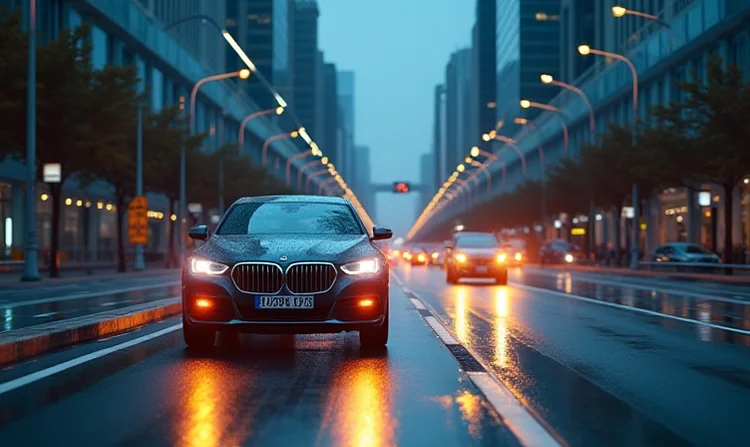
Modern security systems are integrated with elements of road infrastructure:
- Information exchange systems. Information exchange between the vehicle and road infrastructure elements, such as traffic lights or road signs.
- Adaptation to traffic conditions. Automatic adaptation to changes in the traffic situation, such as traffic jams or road works.
📘 Conclusion
Innovations in vehicle safety systems not only improve occupant protection, but also contribute to overall road safety. A variety of technologies, from active and passive systems to infrastructure integration and personalization, make modern cars significantly safer.
