
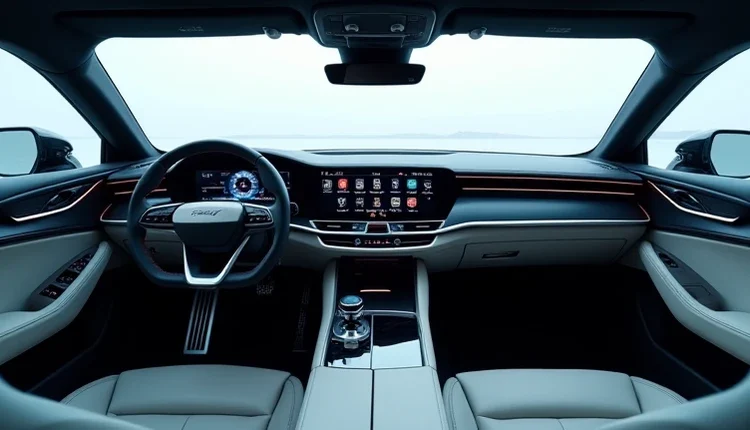
How will technology change cars by 2024? 🚗🔧
Innovations in Engines and Ecology 🌿🔋
- Electrification and Hybridization: Transition to electric and hybrid engines, reducing dependence on fossil fuels.
- Improving Fuel Efficiency: Developing more fuel-efficient engines that help reduce CO2 emissions.
Autonomous Control Systems 🤖🚗
- Development of Autonomous Technologies: Implementation of autonomous driving systems capable of providing safer and more comfortable driving.
- Integration with City Infrastructure: Connecting vehicles with road infrastructure and smart city systems to optimize traffic.
Progress in Infotainment Systems 📱💡
- Intelligent Entertainment Systems: Advanced infotainment capabilities, including voice assistants and integration with mobile devices.
- Personalized User Experience: Adapting interfaces and functions to the individual preferences of the driver and passengers.
Safety and Controllability: New Standards 🛡️🚦
Improvements in Security Systems
- Active Crash Avoidance Systems: Advanced features to prevent collisions and maintain safe driving.
- Improved Occupant Protection: Innovations in body structure and passive safety systems for better protection in the event of an accident.
Intelligent Driver Support Systems
- Adaptive Control Systems: Development of intelligent control systems that can adapt to road conditions and driving style.
- Communication Technologies: Implementation of V2X (vehicle-to-everything) technologies, allowing data exchange with other vehicles and infrastructure.
Conclusion: A Look into the Future of the Automotive Industry 🌐🔍
In 2024, the world of cars will undergo significant changes thanks to advances in technology. These innovations will not only make cars greener and more efficient, but will also improve safety and comfort on the road. The car of the future is a synthesis of advanced technology and convenience, designed to provide a better driving experience.
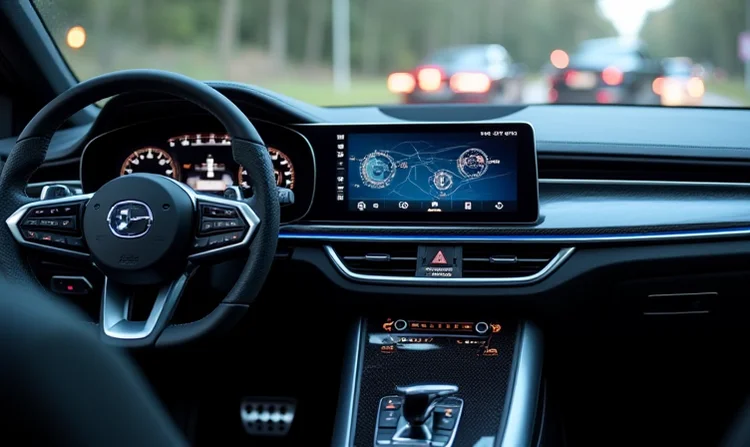
Breakthroughs in Materials and Design 🎨🔧
Innovative Materials
- Lightweight and Strong Composites: Using carbon fiber and other composite materials to reduce weight and improve efficiency.
- Eco-friendly Materials: Implementation of biodegradable and recycled materials in the interior and exterior of cars.
Revolution in Design
- Aerodynamic Shapes: Design development aimed at reducing air resistance, which contributes to fuel economy.
- Interactive Elements: Integration of interactive displays and lighting elements to enhance visual perception and safety.
Energy and Fuel Efficiency 💡⚡
Transition to Alternative Energy Sources
- Battery Technology Advances: Improvements to batteries to increase range and reduce charging time.
- Hydrogen Utilization: Development of hydrogen fuel cell technologies as an environmentally friendly and efficient energy source.
Improvements in Traditional Engines
- Hybrid Technologies: Optimization of hybrid systems for more efficient combination of electric and conventional traction.
- Improving the Efficiency of Petrol and Diesel Engines: Improving internal combustion to reduce fuel consumption and emissions.
Smart Transport and Connectivity 🌐🔗
Integration with the Digital World
- Internet Connectivity: Always connected to the Internet for updates, navigation and entertainment.
- Mobile Apps and Remote Control: Control your vehicle and its functions via mobile apps.
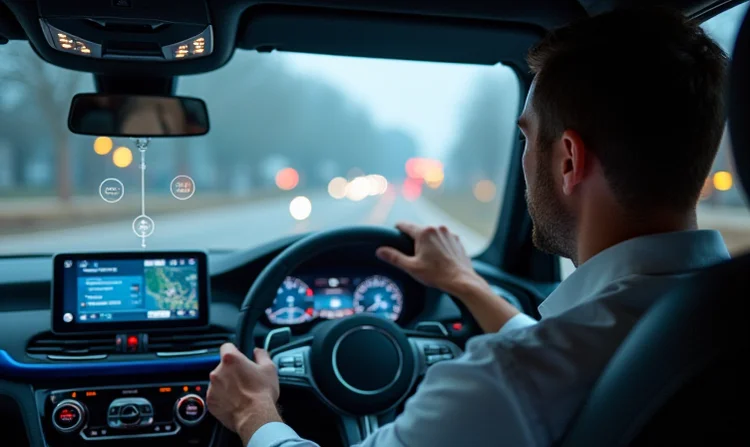
Development of Autonomous Driving Technologies
- Autonomous Driving Systems: Implementation of advanced systems for full or partial automation of the driving process.
- Safety and Intelligent Algorithms: Using artificial intelligence to improve driving safety and efficiency.
Environmental Responsibility and Sustainability 🌍♻️
Reducing Environmental Impact
- Eco-Friendly Materials: Using recycled and renewable materials to reduce carbon footprint.
- Recycling Systems: Implementation of technologies for recycling and reuse of vehicle components.
Sustainability in Manufacturing
- Green Technologies in Manufacturing: Application of environmentally friendly manufacturing processes and energy from renewable sources.
- Waste Minimization: Strategies to reduce waste and improve resource efficiency.
Interaction with the Driver and Passengers 🚗👥
Improved User Experience
- Intuitive Interfaces: Design interfaces that are easy to understand and use, improving interaction with the vehicle.
- Personalization of Settings: Ability to customize the interior, control systems and entertainment according to the user's preferences.
Comfort and Convenience
- Ergonomic Design: Creating comfortable and functional interiors taking into account the needs of drivers and passengers.
- Integrated Entertainment Systems: Implementation of entertainment and information systems to enhance the on-road experience.

Conclusion and Results 🏁
The automotive industry in 2024 promises to be revolutionary, combining innovation, sustainability and convenience. Breakthroughs in materials and design, energy innovations, smart technologies, environmental responsibility, and attention to the comfort of drivers and passengers are all shaping a new generation of cars. The future of auto transport not only captures the imagination, but also highlights the importance of sustainability and integration with the modern technological world.
