

The Impact of Weather Conditions on Driving: Safety Tips 🌧️❄️🚗
Weather is a changeable and unpredictable factor that has a significant impact on driving. Heavy rain, ice, fog or heat can pose serious challenges even for experienced drivers. In this post, we will look at how weather conditions affect driving and provide useful tips to ensure your safety on the road.
🌧️ Driving in the Rain: Basic Principles
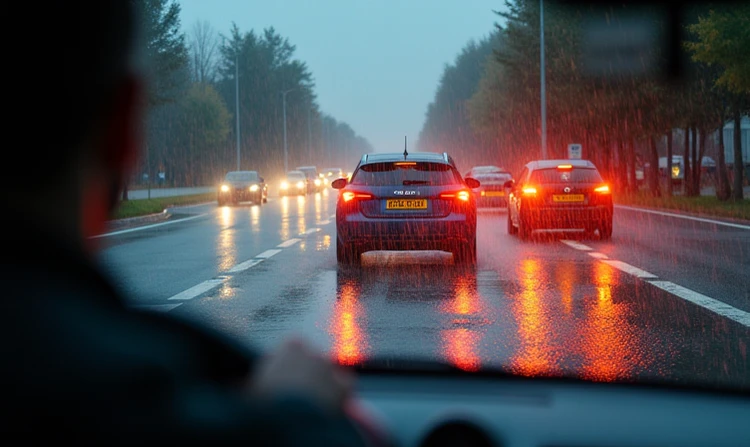
Increase the distance
Rain reduces visibility and increases braking distances. Therefore, in rainy weather it is important to keep a greater distance between your car and the vehicle in front.
Avoid deep puddles
Driving through deep puddles can cause aquaplaning or engine damage. If possible, avoid them or drive through them at very low speeds.
Use additional lighting devices
Turn on your headlights even in light rain, this will help other drivers notice your car.
❄️ Tips for driving in snow and ice
Winter tires are your best choice
Winter tires provide better traction in cold weather and snowfall. Be sure to change your tires when the winter season arrives.
Be careful on bridges and tunnels
Ice forms on bridges and in tunnels faster than on normal road sections. Take extra care when driving through these areas.
Use winter accessories
Don't forget about snow brushes and ice scrapers. They will help you quickly clear your car of snow and ice. It is also necessary to have a warm blanket and a spare bottle of antifreeze in the car.
🌫️ Safe Driving in Fog
Fog seriously reduces visibility on the road, which increases the risk of accidents.
Slow down
Driving at low speeds in poor visibility conditions gives you more time to react to sudden obstacles.
Use fog lights
Fog lights improve visibility in fog, helping you see the road better and be more visible to other road users.
Avoid sudden maneuvers
Sharp turns or braking may cause you to lose control of your vehicle, especially on slippery roads.
☀️ Driving in hot weather
High temperatures can affect vehicle performance and driver comfort.
Check the coolant level
Make sure the antifreeze level is correct to avoid engine overheating.
Use your air conditioner wisely
Air conditioning will help maintain a comfortable temperature inside the car, but using it too much can increase fuel consumption.
Cover the car
If you leave your car in the sun, use special covers or leave it in the shade to avoid overheating the interior.
🌨️ Tips for driving in snow and ice
Winter conditions require special care and preparation.
Use winter tires
Winter tires provide better traction during the colder months.
Keep your distance
Increase the distance between your vehicle and other vehicles to allow additional time to react in the event of an emergency.
Turn on the heated mirrors and windows
This will help prevent icing and maintain good visibility.
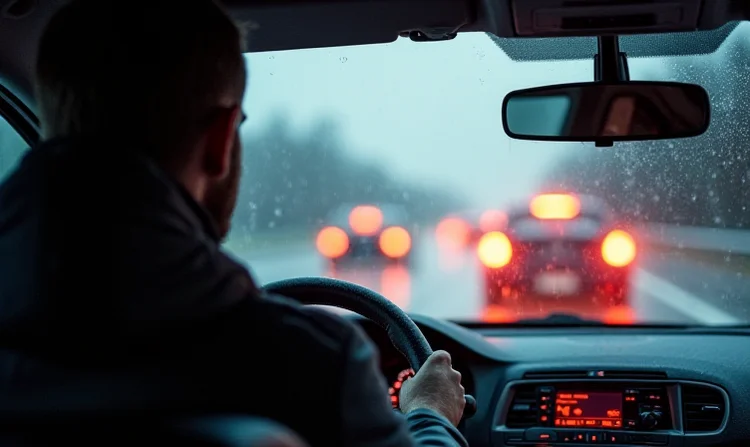
🌧️ Riding in rainy weather
Rain can cause hydroplaning and reduced visibility.
Avoid puddles
Puddles can hide potholes in the road and increase the risk of hydroplaning.
Check the condition of your windshield wipers regularly
When in good condition, windshield wipers provide a clean, clear driver's window for better visibility.
Use lighting devices
Turn on your low beams even during the day to improve visibility and be more visible on the road.
Conclusion
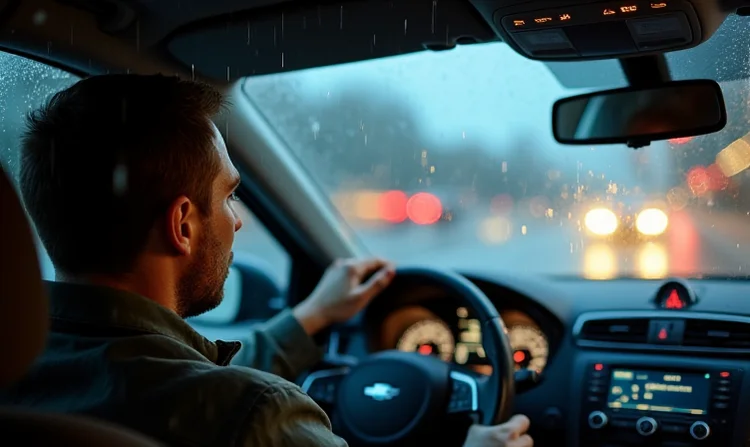
Weather conditions have a significant impact on driving safety. Following these recommendations will help you reach your destination safely in any conditions. Remember to regularly check your car and adapt your driving style to changing weather conditions. Be careful on the road and have a safe journey!
