Cars and the city: interaction and impact on infrastructure
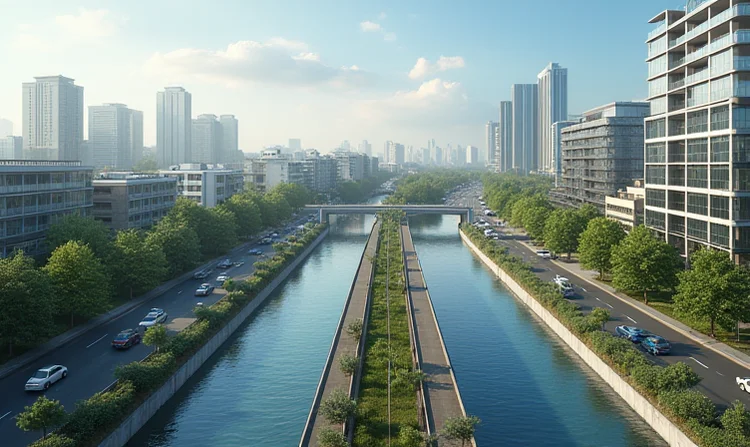
Automobiles have significantly changed the urban environment in recent years. Their impact on urban infrastructure is undeniable, and it is important to understand how this impact manifests itself. From traffic management to environmental impacts, cars have a multifaceted impact on the urban environment.
🛣️ Transformation of road infrastructure
With the increase in the number of cars in cities, the need to improve road infrastructure increases. The creation of new roads, bridges and tunnels, as well as the reconstruction of old ones – all this is aimed at ensuring uninterrupted traffic. But on the other hand, this can lead to an increase in traffic and gas pollution in cities.
Expansion of the road network
- Creation of new motorways and highways.
- Development of public transport network to reduce road congestion.
- Increasing the number of parking spaces and parking lots.
Reconstruction of old roads
- Improving the quality of road surfaces.
- Installation of modern road signs and signaling.
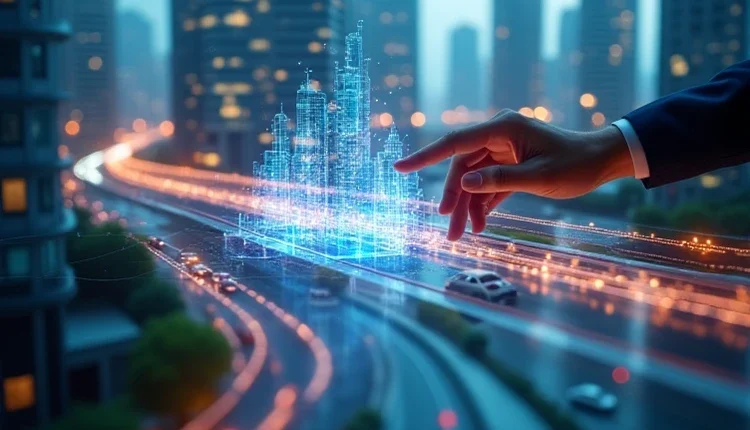
- Development of intelligent traffic management systems.
🌱 Environmental aspects
Automobile transport has a significant impact on the environment. Emissions from cars contribute to air pollution, which leads to a deterioration of the ecological situation in cities.
Impact on air quality
- Increasing levels of emissions of carbon dioxide and other harmful substances.
- Air quality problems in large and densely built-up cities.
Development of environmental initiatives
- Programs to reduce emissions from motor vehicles.
- Development and implementation of electric and hybrid vehicles.
- Creation of low emission zones.
🚗 Impact on urban life
Cars not only change infrastructure, but also affect life in the city itself. From disrupting peace and quiet to improving mobility, the impact of cars is varied.
Impact on public transport
- Increasing road congestion reduces the efficiency of public transport.
- The need to integrate public and private transport to optimize traffic.
Parking problems
- Lack of parking spaces in central areas of the city.
- Increasing parking costs as a measure to combat traffic congestion.
Rethinking Urban Space
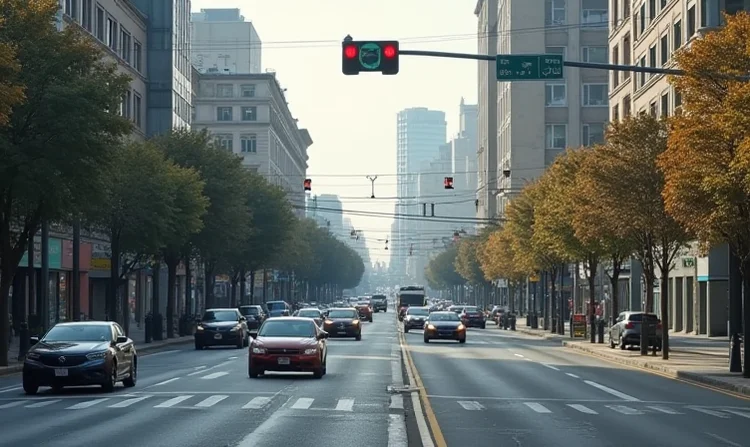
- Developing smart city concepts to optimize the use of urban space.
- Creating pedestrian areas and bike paths to reduce dependence on cars.
🚀 Technological innovations
Technological innovations play a key role in helping cities adapt to the growing number of cars. Intelligent transport systems (ITS), for example, can significantly improve traffic flow.
Smart Road Systems
- Implementation of a traffic management system to reduce road congestion.
- Using technology to prevent road accidents and reduce traffic congestion.
Integration of digital technologies
- Development of applications for route planning and parking management.
- Implementation of automatic number plate recognition systems for traffic control.
🌿 Ecological solutions
In the context of urbanization and the growth of the number of cars, environmental solutions are becoming an integral part of urban infrastructure.
Green spaces and sustainable development
- Creation of green areas and parks to improve the environmental situation.
- Use of sustainable materials in road and bridge construction.
Ecological transport
- Encouraging the use of environmentally friendly vehicles.
- Development of infrastructure for electric vehicles, including charging stations.
🚗 Automotive innovations
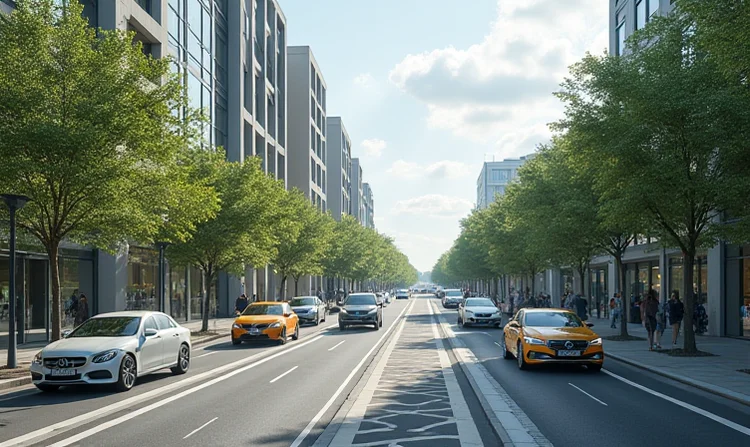
Innovations in the automotive industry directly impact urban infrastructure, making it more adaptive and safe.
Autonomous vehicles
- Development of driverless cars that can reduce the number of accidents and improve traffic flow.
- Integration of autonomous vehicles into the urban transport network.
Communication and security technologies
- Using V2X (Vehicle-to-Everything) technologies to ensure interaction between the vehicle and infrastructure and other vehicles.
- Implementation of advanced safety and collision warning systems.
🌐 Integration and cooperation
Creating effective urban infrastructure requires cooperation between government, business and society.
Cooperation with the private sector
- Partnerships between city governments and private companies to develop innovative solutions.
- Attracting investment in infrastructure projects and research.
Public Involvement
- Organizing public hearings and surveys to take into account the opinions of residents when planning urban projects.
- Promoting the idea of sustainable development and responsible attitude towards the environment.