
Electric Vehicles: Revolution in Urban Infrastructure 🚗⚡
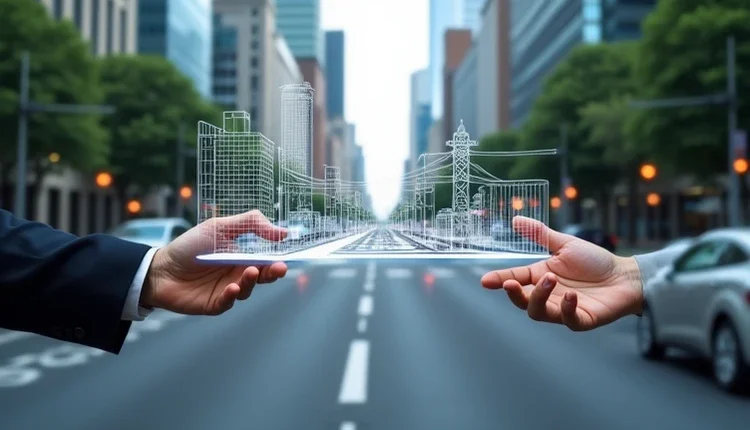
Electric vehicles (EVs) are making significant changes to urban infrastructure, especially in Europe, the United States and Germany. With environmental goals and increased transport efficiency in mind, cities are actively adapting to the new era of electric transport.
Impact of EM on Urban Infrastructure
Development of Charging Infrastructure 🔄
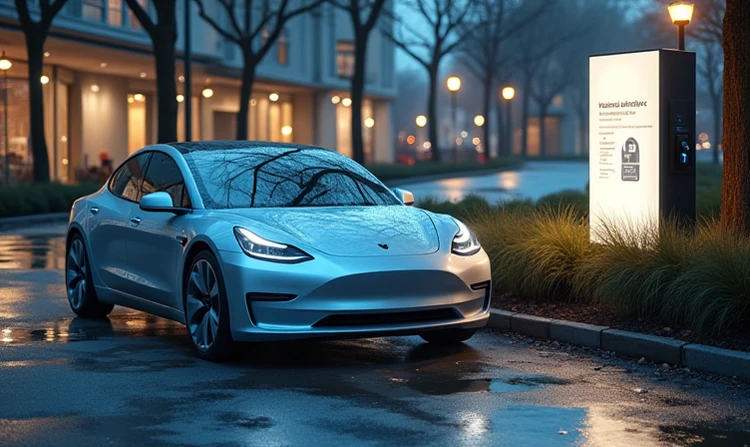
The growth of EVs has required an increase in the number and availability of charging stations. Cities are installing chargers in public places, shopping malls, parking lots, near offices and in residential areas.
Changes in Road Construction 🛣️
Construction of new roads and repair of existing ones now includes consideration of the needs of EVs. This includes the introduction of intelligent road signs that can interact with EVs and the creation of special traffic lanes for electric vehicles.
Integration with Renewable Energy ☀️
Urban infrastructure is being adapted to use renewable energy sources, such as solar panels, to power EV charging stations, helping to reduce the environmental impact of transport.
Smart Transport Systems 🌐
The introduction of EVs stimulates the development of smart transport systems. Such systems provide data collection for traffic analysis, traffic light control and route optimization, which is especially important for cities with high traffic density.
Transformation of Parking Spaces 🅿️
Cities are rethinking parking spaces to accommodate EV charging needs. This includes installing charging stations in parking lots and introducing charging space reservation systems.
📊 Table: Electric Vehicles and Changing Urban Infrastructure
Results and Prospects 🌟
Adapting urban infrastructure to electric vehicles not only promotes their use, but also leads to the creation of greener, more efficient and comfortable urban conditions. Given global environmental challenges, these changes are a key step towards a sustainable future for cities.
Transition to Electric Vehicles: Impact on the Economy and Environment 🌍💰
The adoption of electric vehicles in cities not only changes the infrastructure, but also has a significant impact on the economy and the environment. Reducing CO2 emissions and reducing air pollution leads to improved public health. Economically, it stimulates the growth of new industries related to the production and maintenance of EVs, as well as the development of energy storage technologies.
Innovations in Security and Traffic Management 🚦🔒
The introduction of electric vehicles is also driving the development of new safety and traffic management technologies. Improved automatic braking, blind spot monitoring, and collision warning systems are becoming more common. Integrated systems that can analyze traffic in real time and suggest optimal routes are also emerging.
Development of Public Transport and Car Sharing 🚌🚗
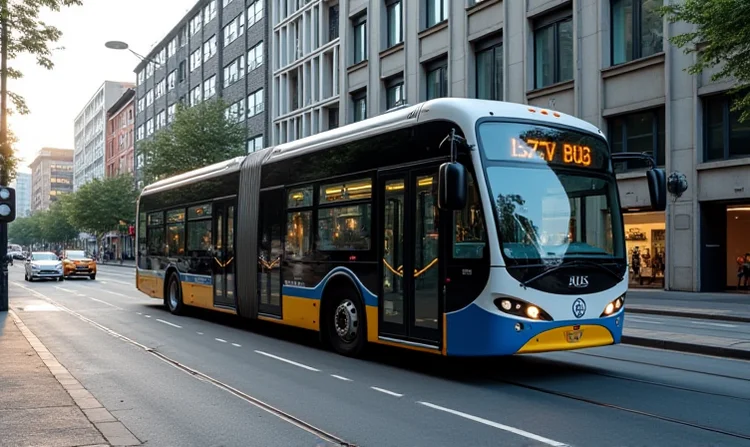
EVs also impact public transportation and car sharing. Electric buses and taxis are becoming more common, helping to reduce overall pollution in cities. Electric car sharing offers a greener and more affordable option for those who don’t want or can’t afford a personal car.
Problems and Challenges 🚧
The transition to electric vehicles also comes with a number of issues and challenges. The most important of these are the need to update energy systems, increasing demand for electricity, and developing efficient energy storage systems. It is also important to ensure that EVs are accessible and easy to use for all segments of the population.
Environmental Aspect: Pollution Reduction 🌱
Electric vehicles help to significantly reduce pollution in cities. The absence of exhaust gases in electric vehicles directly reduces emissions of carbon dioxide and other harmful substances. This leads to improved air quality and helps to combat global warming.
Economic Impulse: New Markets and Jobs 📈
Developing infrastructure for electric vehicles opens up new markets and creates jobs. This includes the production of electric vehicles, the development and installation of charging stations, as well as the maintenance and support of new technologies. This contributes to economic growth and the development of new competencies in the workforce.
Charging Issues: Infrastructure and Availability 🔋
One of the main problems faced by electric vehicle owners is the lack of charging stations. This causes problems with long trips and the availability of charging in different areas. The solution to this problem is the construction of new infrastructure and the integration of charging stations into the urban environment.
Impact on Urban Life: Planning and Architecture 🏙️
Electric vehicles also influence urban planning and architecture. The need to integrate charging stations changes the urban landscape. New requirements for parking spaces and urban infrastructure arise, which leads to new architectural solutions and urban space planning.

| Aspect | Description | Influence |
|---|---|---|
| Charging stations | Increase in quantity and availability | Improving the usability of EM |
| Road network | Adaptation to the needs of EM | Improving traffic conditions |
| Renewable energy | Integration with EM | Reducing carbon footprint |
| Smart systems | Traffic optimization | Improving traffic efficiency |
| Parking | Reconstruction for EV charging | Improving charging accessibility |
