
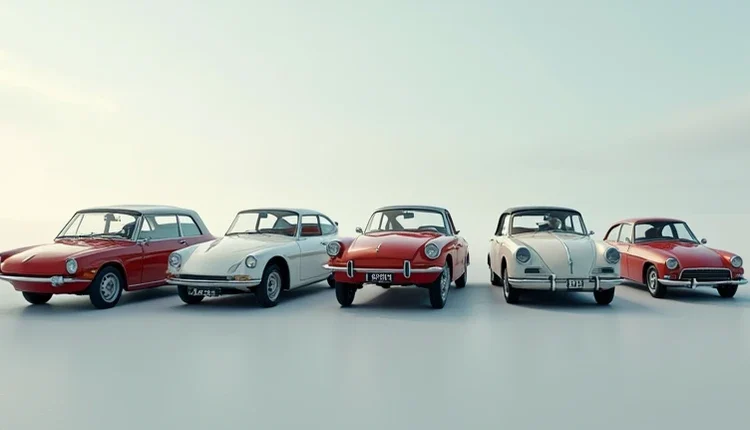
The history of electric vehicles: from the first prototypes to modern models
Electric cars have come a long way in recent decades from experimental prototypes to a key element of the global automobile industry. Today, they embody cutting-edge technology and are a symbol of environmental responsibility. In this article, we look at the history of electric cars, from their humble beginnings to their modern achievements. For more information on accessories for automotive history, see Accessories for automotive history.
🌟 Early years of development
The history of electric cars begins in the 19th century. The first electric cars were created in Europe and America as an alternative to traditional steam and gasoline cars. These early models were limited in speed and range, but even then they demonstrated the main advantages of electric drive – no noise, exhaust gases, and vibration.
Important Milestones
- 1830s: The first experimental electric vehicles appear.
- 1890s: Electric cars begin to be mass produced. They are popular with women and city dwellers because they are easy to operate and do not require a manual engine start.
- Early 20th century: Electric cars made up a significant share of the market, but gradually gave way to gasoline-powered cars due to their limited range and high cost.
🔋 The Renaissance
After decades of oblivion, interest in electric vehicles was renewed in the late 20th century, when environmental and resource conservation issues became particularly pressing.
Turning Points
- 1970s: The oil crisis sparked interest in alternative energy sources, including electric vehicles.
- 1990s: Legislative initiatives to reduce carbon dioxide emissions spurred the development of electric vehicles.
- 2000s: The advent of lithium-ion batteries significantly improved the range and reduced the cost of electric vehicles.
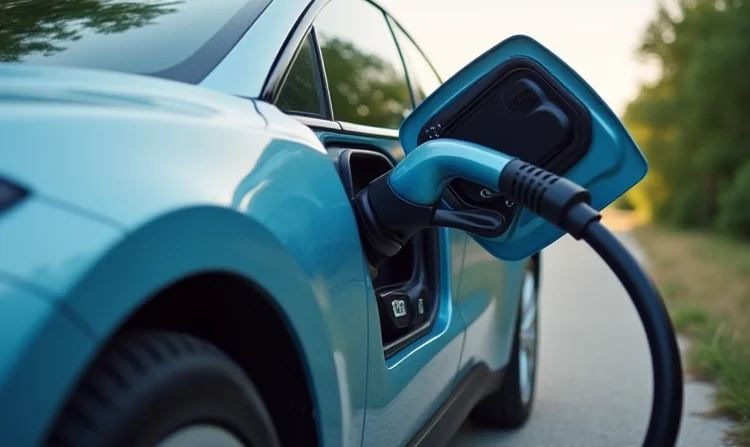
🚀 Modern achievements
Today, electric vehicles represent the pinnacle of automotive innovation. Modern models offer significantly longer range, high performance, and a host of intelligent features.
Breakthrough technologies
- Improved Batteries: Advanced lithium-ion batteries provide longer range and faster charging.
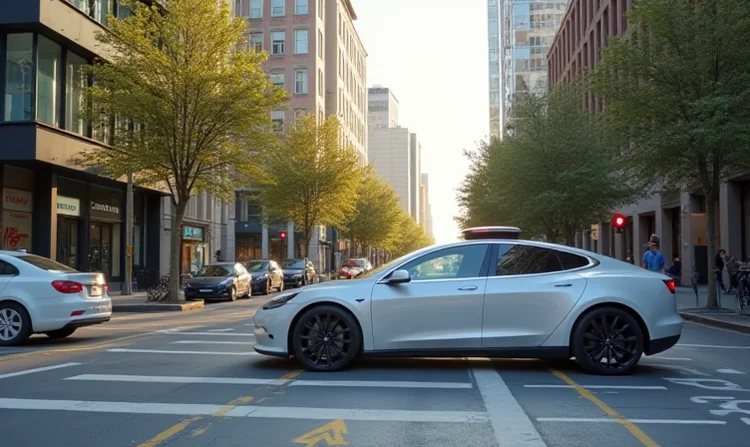
- Autonomous Driving: Many electric vehicles come equipped with advanced autonomous driving technology.
- Smart features: Integration with mobile devices, remote control and more make using electric vehicles as comfortable as possible.
🌍 Contribution to ecology
Electric vehicles have a significant impact on reducing carbon emissions and improving air quality in cities. They are a key element in the fight against global warming.
Environmental benefits
- Zero Emissions: Electric vehicles produce no tailpipe emissions, reducing air pollution.
- Renewable Energy: The use of electric vehicles helps to promote the transition to renewable energy sources.
- Noise reduction: Electric vehicles operate significantly quieter, reducing noise levels in cities.
📌 Conclusion
The history of electric vehicles demonstrates how innovative ideas can radically change an industry and contribute to a better environment. Electric vehicles are no longer just an alternative to traditional cars, but an important part of a global ecological future.
