
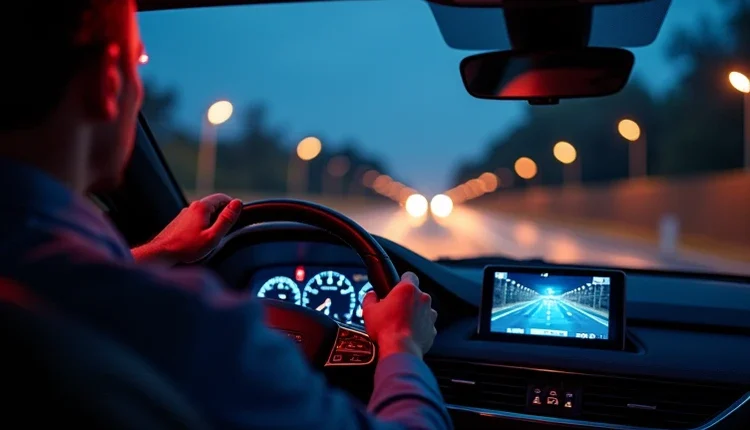
Technologies to improve visibility at night 🌙🚗
The importance of good visibility at night on the road cannot be underestimated, especially in the heavy traffic conditions of modern cities in Germany, America and Europe. Advances in automotive technology have significantly improved the safety and comfort of driving after sunset.
Innovative Lighting Systems 🚦💡
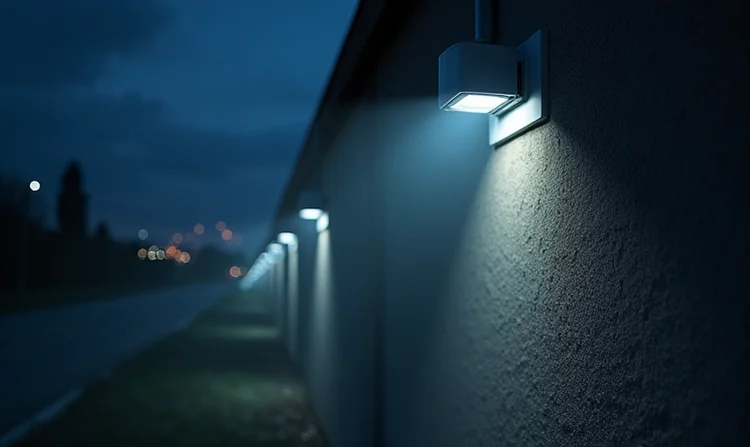
Adaptive LED headlights
- LED headlights provide bright and clear light, significantly improving visibility at night.
- Adaptive lighting systems automatically adjust the intensity and direction of light depending on road and traffic conditions.
Laser Lighting
- Laser headlights are the latest technology that provide even brighter and longer-range illumination.
- They are ideal for conditions of insufficient street lighting.
Night Vision Systems 🌌🔭
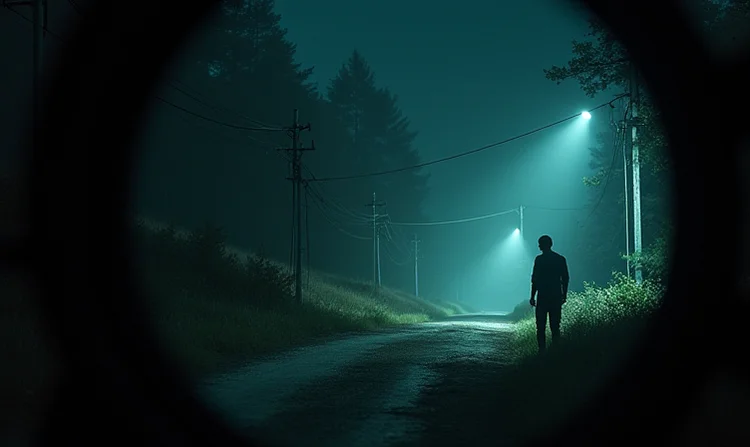
Thermal imaging cameras
- Using infrared cameras to detect heat emissions from animals, pedestrians and other objects on the road.
- Alerts the driver to possible obstacles that are not visible in traditional lighting.
Augmented Reality and HUD
- Head-up displays (HUDs) project important information directly onto the windshield, allowing drivers to focus on the road.
- Integration of night vision systems into the HUD for better orientation in the dark.
Smart Technologies and Security 🚀🔒
Driving assistants
- Various sensors and cameras, including radar and lidar, to monitor the environment and prevent accidents.
- Lane departure warning and automatic braking systems help ensure safe driving at night.
Integration with mobile devices
- Smartphone apps that allow you to customize and control your vehicle's lighting systems.
- Possibility of adapting settings to the individual preferences of the driver for maximum comfort and safety.
Conclusion ✨🌃
Technologies that improve night visibility play a key role in road safety. Not only do they help drivers see better in the dark, but they also actively prevent accidents. Find accessories to improve night visibility here to make your nighttime journey safe and comfortable.
Table: Night Vision Technology Comparison 📊🌙
Innovation for the Future 🌌🔮
Autonomous driving
- Development of self-driving car technologies that can operate at night with maximum safety.
- Using complex sensor systems to fully perceive the environment in the dark.
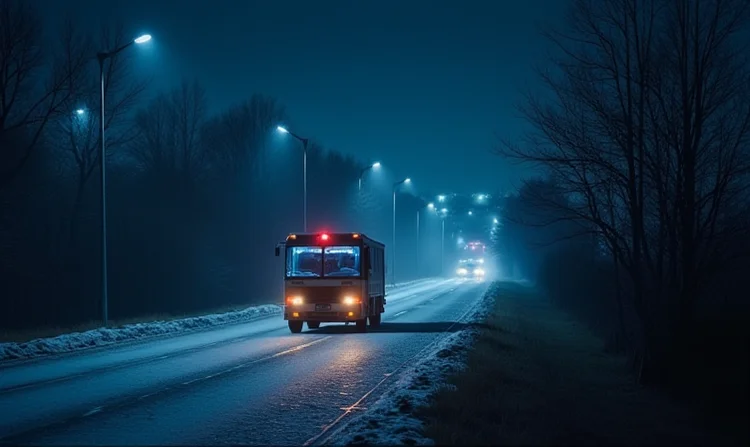
Smart City Lighting
- Lighting systems that adapt to traffic patterns, improving visibility on roads at night.
- Interaction between the vehicle and urban infrastructure to optimize driving conditions.
Conclusion 🌟
Innovative technologies to improve nighttime visibility play a crucial role in preventing accidents and making driving safer. From adaptive LED and laser headlights to thermal imaging cameras and augmented reality systems, these technologies make nighttime driving safer and more comfortable for all road users.
Promising Developments 🚀
Smart Headlights with AI
- Implementation of artificial intelligence in lighting systems for automatic analysis of road conditions and optimal light distribution.
- Adaptation of light according to weather conditions, speed of movement and surrounding objects.
Integration with External Networks
- Synchronizes with road signs and signals to provide improved illumination in high traffic areas or pedestrian crossings.
- Interacts with other vehicles on the road to prevent blinding oncoming drivers.
Safety and Ecology 💚
- Using energy efficient light sources reduces energy consumption and reduces the impact on the environment.
- Improving night visibility helps reduce accidents, which has a positive impact on public health and safety.
Results and Conclusions 🏁
- Technologies to improve night visibility in cars not only increase driving comfort, but also contribute to road safety.
- Progress in this area goes hand in hand with the development of smart cities and green technologies.
- The potential for the implementation of artificial intelligence and integration with urban infrastructure opens up new horizons in improving road safety.
| Technology | Description | Advantages |
|---|---|---|
| Adaptive LED headlights | A system that automatically regulates the intensity and direction of light. | Bright, clear light, increased safety. |
| Laser Lighting | Headlights that use laser diodes to illuminate the road. | Improved illumination range and intensity. |
| Thermal imaging cameras | Cameras that detect thermal radiation. | Early detection of animals and pedestrians. |
| Augmented Reality and HUD | Displaying information on the windshield of a car. | Safer driving without distracting your eyes. |
| Driving assistants | Driver assistance systems based on sensors and cameras. | Prevent collisions and maintain safe lanes. |
