

Fuel-efficient cars: how to choose and what to look for 🚗💡
Choosing an economical car is a key aspect for many car owners in Germany, America and Europe. Fuel economy and low running costs make such cars an attractive choice. Choose accessories for economical driving to maximize your savings.
🚦 Economy: Main Parameters
Fuel Consumption
The main indicator of a car's economy is its fuel consumption. Lower consumption means that the car uses less fuel for every 100 km of travel, which leads to lower fuel costs.
How it is measured:
- Liters per 100 km: How many liters of fuel does a car consume per 100 km.
- Miles per gallon (MPG): Used in some countries, this indicates how many miles a vehicle can travel on one gallon of fuel.
Engine Efficiency
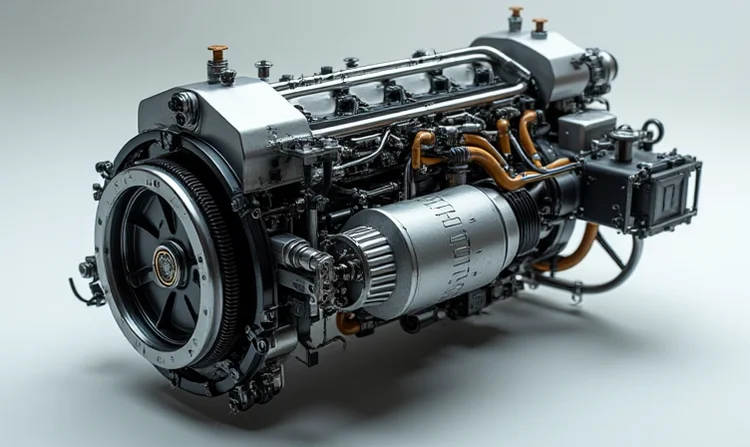
Engine efficiency affects the overall fuel economy of a vehicle. Modern technologies such as turbocharging, direct fuel injection and start-stop systems help increase efficiency while reducing fuel consumption.
What is important:
- Engine type: Diesel engines are often more fuel efficient than petrol engines.
- Fuel economy technologies: For example, hybrid systems that combine a gasoline engine with an electric motor.
🚗 Choosing an Economical Car
Car Size and Class
It is important to choose a car that suits your needs. Compact and sub- compact cars are often more fuel efficient due to their lighter weight and smaller size, but they may be less suitable for larger families or longer trips.
How to choose:
- Compact cars: Better suited for the city and short trips.
- Midsize sedans and wagons: Suitable for families and long trips.
Operating costs
In addition to fuel consumption, it is important to consider overall operating costs, including maintenance, insurance, and taxes. Some cars may be cheaper to buy but more expensive to maintain.
What to consider:
- Maintenance Cost: Regular maintenance and repairs.
- Insurance and taxes: Varies depending on model and region.
🌱 Environmental Aspects
Impact on the Environment
The eco-friendliness of a car is becoming an increasingly important factor. Fuel-efficient cars usually have lower carbon dioxide emissions, which has a positive effect on the environment.
How to evaluate:
- CO2 emissions: Less carbon dioxide emissions are a plus.
- Environmentally friendly technologies: For example, exhaust gas cleaning systems.
Alternative Fuels
Petrol and diesel aren't the only options. Hybrid, electric and alternative fuel vehicles such as gas offer greener and more economical solutions.
Options to choose from:
- Hybrid cars: A combination of a gasoline engine and an electric motor.
- Electric vehicles: Zero emissions and low operating costs.
💡 Technology and Innovation
Progressive Solutions
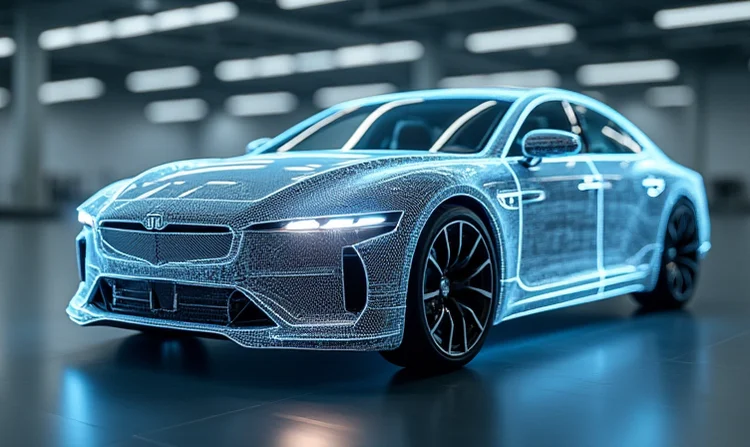
Modern technologies can significantly increase the efficiency of a car. It is important to pay attention to the availability of such options as start-stop systems, regenerative braking and aerodynamic design.
What to look out for:
- Energy-saving technologies: Reduce overall fuel consumption.
- Aerodynamic design: Improves fuel efficiency.
📊 Fuel-Efficient Cars Rating
Best Models on the Market
Let's look at several popular fuel-efficient models that feature high fuel efficiency and low operating costs.
Examples of cars:
- Toyota Prius: Iconic hybrid with excellent fuel efficiency.
- Hyundai Ioniq: Offers hybrid and all-electric versions.
- Tesla Model 3: A popular all-electric car.
Comparison Table
📈 Long-Term Profitability
The Importance of Total Cost of Ownership
When choosing an economical car, it is important to consider not only the initial purchase price, but also the long-term costs of owning it, including fuel, maintenance, insurance and disposal.
How to calculate:
- Total Operating Costs: The sum of all expenses for a given period of time.
- Recycling Cost: The cost of disposing of or recycling a vehicle.
🌍 Environmental Responsibility
Sustainability and Environmental Impact
Fuel-efficient cars often have a lower environmental impact, making them a more sustainable choice. It’s important to consider not only the CO2 emissions, but also the overall environmental footprint of the car.
How to evaluate:
- Carbon footprint: The total amount of CO2 emissions over the life of a vehicle.
- Recycling: Possibility of recycling and disposal of the vehicle.
Support Green Technologies
By choosing an economical car, you also support the development of environmentally friendly technologies, which helps improve the environmental situation in general.
Contribution to sustainable development:
- Supporting Innovation: Promotes the development of more environmentally friendly vehicles.
- Reduced environmental impact: Reduces overall carbon dioxide emissions.
🚘 How to Choose the Right One
Defining Needs and Budget
Before choosing an economy car, it’s important to clearly define your needs and budget. Consider how often and how far you plan to drive, what features are important to you, and how much you’re willing to spend on both the purchase and subsequent maintenance of the car.
What to consider:
- Purchase Budget: Don't overpay for features you don't need.
- Daily needs: Consider typical routes and operating conditions.

📚 Informed Choice
Using Reliable Sources
To gather information about different models and their features, use reliable sources such as car magazines, independent reviews and owner reviews. This will help you get a complete picture of the pros and cons of each model.
How to collect information:
- Car Reviews and Test Drives: Useful for understanding the real performance of a car.
- Owner reviews: May reveal nuances that are not obvious in a standard review.
🔄 Secondary Market
Buying Used Cars
Considering buying a used car can be a good alternative for those looking for a fuel-efficient vehicle on a budget. It is important to carefully check the condition of the car and its service history.
What to consider:
- Technical condition: It is important to carry out a complete diagnosis.
- Service history: Helps avoid hidden problems.
🌟 Conclusion
Choosing a fuel-efficient car is not only a way to save on fuel and running costs, but also an investment in sustainability and environmental responsibility. Considering everything from fuel consumption to environmental impact will help you make an informed decision that fits your needs and values.
| Model | Type | Fuel consumption / Energy consumption |
|---|---|---|
| Toyota Prius | Hybrid | 4.3 l/100 km |
| Hyundai Ioniq | Hybrid/Electric | 3.4 l/100 km / 15.4 kWh/100 km |
| Tesla Model 3 | Electro | 15 kWh/100 km |
