
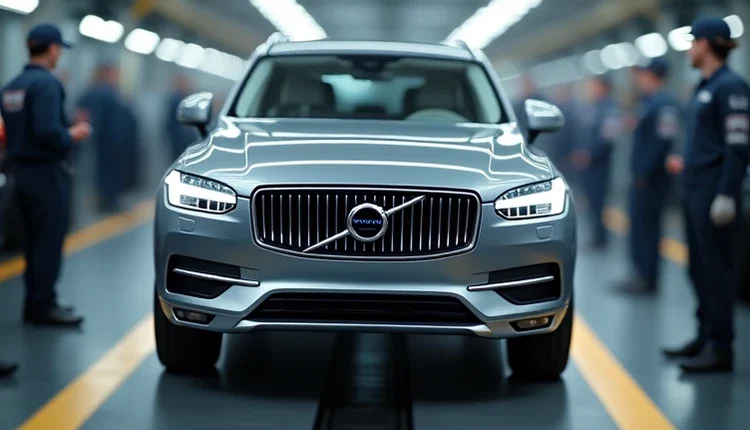
Volvo and diesel engines: the final chord 🚗💨
The famous car brand Volvo, known for its innovation and quality, has announced the final phase of its diesel era. This post will tell you about Volvo's journey into the world of diesel engines, their contribution to the automotive industry and the future of the brand in the context of environmental technologies.
History of Volvo Diesel Cars 🛠️
Volvo has long been a leader in diesel cars, offering customers reliability and economy. From the first models in the mid-20th century to today's high-tech machines, Volvo has always strived to innovate.
Development and innovation
- First steps: The introduction of diesel engines gave Volvo a strong market position thanks to improved fuel economy and durability.
- Evolution of technology: Over time, Volvo has improved its diesel engines, making them more powerful, cleaner and more efficient.
Contribution to ecology
Volvo has always placed great importance on the environment, constantly working to reduce harmful emissions from its diesel vehicles.
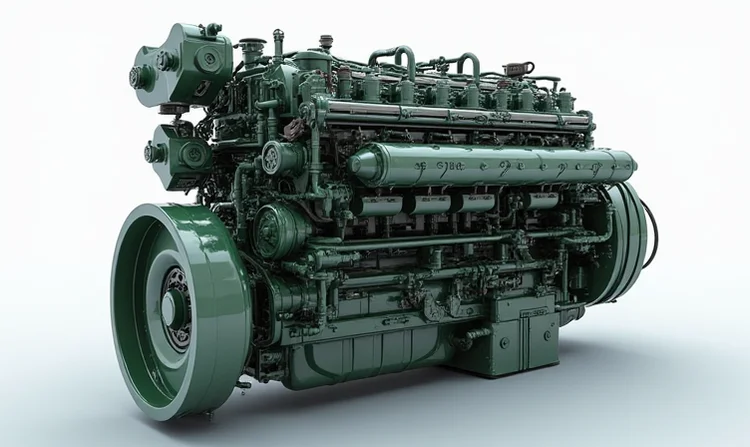
Reasons to abandon diesel engines 📉
- Environmental Standards: Tightening environmental standards around the world are forcing car manufacturers to look for alternatives to diesel engines.
- Shifting focus to electric vehicles: Volvo is actively developing and implementing electric vehicle technologies, seeing them as the future of the automotive industry.
The Future of Volvo: An Era of Green Technologies 🌿
Volvo has announced its ambition to become a leader in the production of environmentally friendly electric cars. The company plans to completely stop producing cars with diesel engines and focus its efforts on the development and production of electric and hybrid models.
Plans for the future
- Electrification of the model range: Volvo plans to introduce several new fully electric models in the coming years.
- Sustainable Production: The company focuses on environmental sustainability at all stages of vehicle production.
Volvo's innovations and technologies in the field of electric vehicles 🔌
Volvo is investing heavily in developing new technologies for electric vehicles. This includes improving batteries, control systems and software, which allows for longer driving ranges and shorter charging times.
- Next generation batteries: Using advanced technologies in battery production will improve efficiency and increase autonomy.
- Smart control systems: Integration of advanced control systems and assistants will help to increase driving safety and comfort.
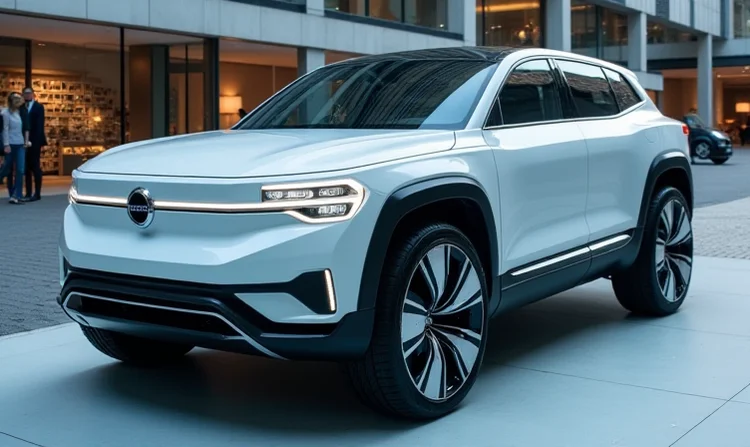
Impact on the market and consumers 🌍
Volvo's move to electric vehicles has a significant impact on the automotive market and consumers.
Market trends
- Demand for green cars: In light of global environmental challenges, demand for electric cars is growing, creating new opportunities for Volvo.
- Competition with other brands: As Volvo moves toward electric vehicles, it is competing not only with traditional carmakers, but also with new players in the market.
Impact on consumers
- Availability and choice: Volvo's expanding range of electric vehicles gives consumers more choice.
- Eco-consciousness: Buying an electric Volvo becomes more than just a matter of comfort and safety, but also a contribution to environmental protection.
Conclusion and Prospects 🚀
Volvo's transition from diesel engines to clean electric vehicles opens a new chapter in the company's history. It is not just a change in technology, but also a commitment to being at the forefront of environmental innovation and sustainability. Volvo demonstrates that sustainability and innovation can go hand in hand, offering solutions that meet both the needs of today's market and the challenges of tomorrow.
Changes on Volvo production lines 🏭
The transition to electric vehicles requires major changes to Volvo's production processes.
Upgrading production capacities
- New production lines: Assembling electric vehicles will require updated production lines and equipment.
- Personnel training: Volvo personnel will receive special training to work with new technologies and materials.
Improving logistics and supplies
- Supply chain optimization: Volvo aims to optimize logistics and supply chain management for electric vehicle components.
- Supplier Collaboration: Strong partnerships with electric vehicle component suppliers are key.
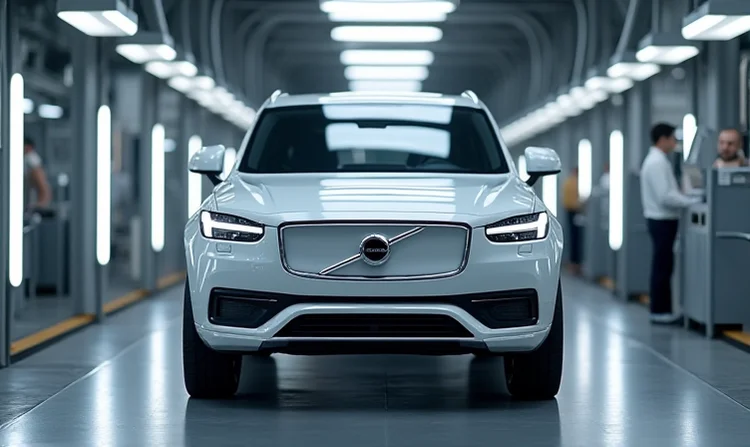
Impact on the environment and sustainable development 🌿
Volvo's transition to electric vehicles has significant positive environmental impacts.
Reducing emissions
- Reducing CO2 emissions: Electric vehicles will help reduce CO2 emissions, improving the environment.
- Sustainable production processes: Volvo is committed to ensuring that its production processes are also sustainable and environmentally friendly.
Sustainable Future
- Investments in green technologies: Volvo invests heavily in the development of sustainable technologies.
- Raising environmental awareness: Volvo innovations help spread knowledge about the importance of sustainability.
Conclusion: Volvo on the way to a green future 🌐
Volvo is demonstrating that the automotive industry can play an important role in achieving a sustainable future. Their transition from diesel engines to electric vehicles not only reduces the environmental impact, but also opens up new horizons for innovation and development.
