
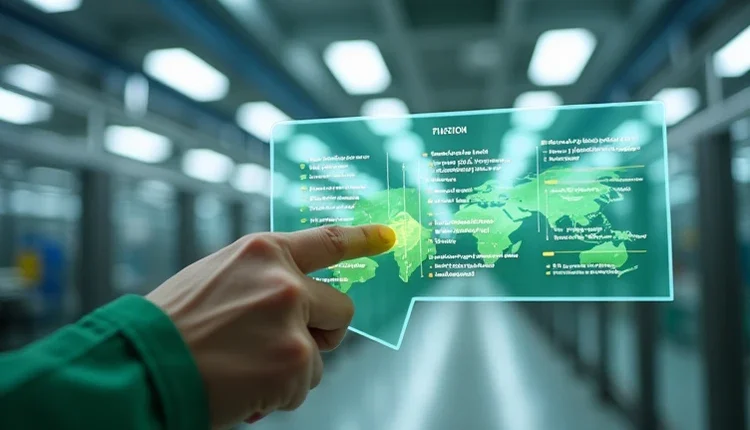
Eco-friendly cars: EU standards and requirements 🌿🚘
In recent years, attention to environmental standards in the automotive industry has increased significantly, especially in the European Union. Eco-friendly cars are becoming not only a fashion trend, but also a necessity, supported by legislative initiatives. Let's consider the key aspects of these standards and requirements.
EU Emission Standards: What You Need to Know? 📊📈
The European Union has set strict emission standards for cars, including limits on emissions of carbon dioxide (CO2) and other harmful substances.
Key points of the standards:
- Euro 6: The latest emissions standard requiring significant reductions in NOx and PM emissions for diesel and petrol vehicles.
- CO2 reduction targets: The EU has set targets to reduce average CO2 emissions from new cars by 2025 and 2030.
Find eco-friendly riding accessories here to meet the latest environmental requirements and standards.
Development of eco-friendly car technologies 🌱🔧
Progress in green technologies does not stand still. Automakers are actively introducing innovations to meet these standards.
Innovations include:
- Electric Vehicles and Hybrids: Electric vehicles and hybrid vehicles are rapidly growing in popularity.
- Improved Filtration Systems: Developing more efficient filtration systems to reduce harmful emissions.
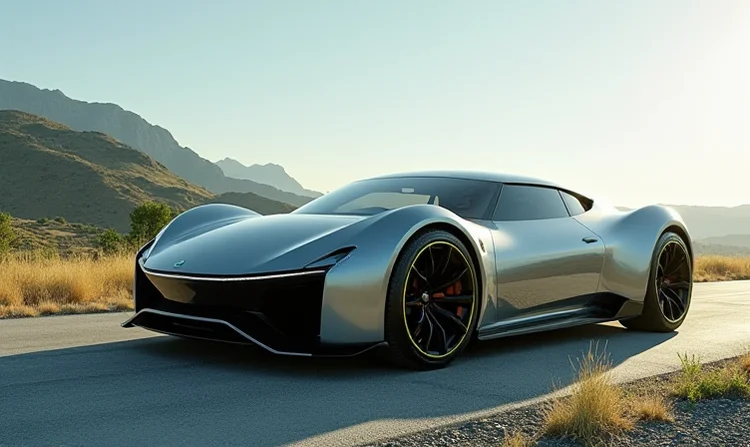
Impact on the automotive market and consumers 📉🚶♂️
EU standards have a significant impact on both car manufacturers and consumers:
- Manufacturers: Adapting to new environmental requirements requires significant investment in research and development.
- Consumers: The choice in favor of environmentally friendly cars is supported by benefits and subsidies from the state.
Environmental incentives and subsidies: support from the state 🌱💰
European governments offer various incentives to encourage the purchase of green cars:
- Financial incentives: Include tax credits, purchase subsidies and registration incentives for green cars.
- Non-financial incentives: Providing privileges such as free parking or access to special lanes.
Manufacturers' strategies to meet environmental standards 🏭🌿
Car manufacturers are actively developing and implementing new technologies to meet strict EU environmental standards:
- Improving existing technologies: Optimizing internal combustion engines to reduce emissions.
- Investments in Alternative Technologies: Development of electric vehicles and hybrid systems as a key strategy for the future.
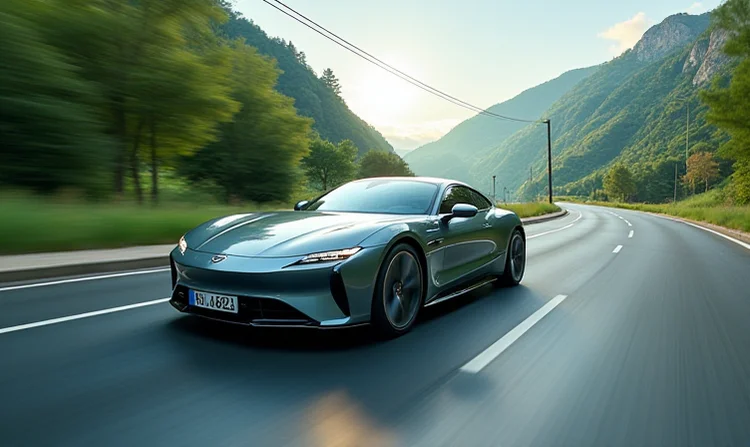
Environmental Impact and Sustainable Development 🌎♻️
The transition to green cars has significant positive impacts on the environment:
- Reduced air pollution: Reducing emissions of harmful substances helps improve air quality.
- Reducing dependence on fossil fuels: Reduces impact on climate change and promotes sustainable development.
Table: EU Environmental Standards and Requirements
The Future of Eco-Cars: Innovations and Forecasts 🚗🌟
The prospects for the development of environmentally friendly cars represent many innovative directions:
- Battery technology development: Improvements to batteries to increase range and reduce charging time.
- Expanding charging infrastructure: Increasing the number and availability of charging stations.
Impact on consumer preferences and market trends 📈🛒
Taking into account environmental standards and requirements, consumer preferences are gradually changing:
- Growing demand for eco-friendly cars: Increased interest in electric and hybrid vehicles from buyers.
- Changing pricing policy: Taking into account government subsidies and tax breaks, the cost of eco-friendly cars becomes more attractive.
Conclusion and recommendations for car enthusiasts 📝💡
Choosing an eco-friendly car in 2024 is not only a contribution to environmental protection, but also an opportunity to take advantage of advanced technologies. When choosing a car, it is recommended to consider the following factors:
- Environmental Compliance: Choose vehicles that meet the strictest environmental standards.
- Overall Economic Benefit: Consider long-term economic benefits such as reduced fuel and maintenance costs.
Green cars not only reduce their environmental impact, but also pave the way for a more sustainable and innovative future for the automotive industry.
| Parameter | Description | Impact on automakers |
|---|---|---|
| Euro 6 | Emission standard limiting NOx and PM | Requires development of clean technologies |
| CO2 Goals | CO2 emission reduction targets | Stimulates the transition to electric vehicles and hybrids |
