
🚘 Automotive innovations that have become standard
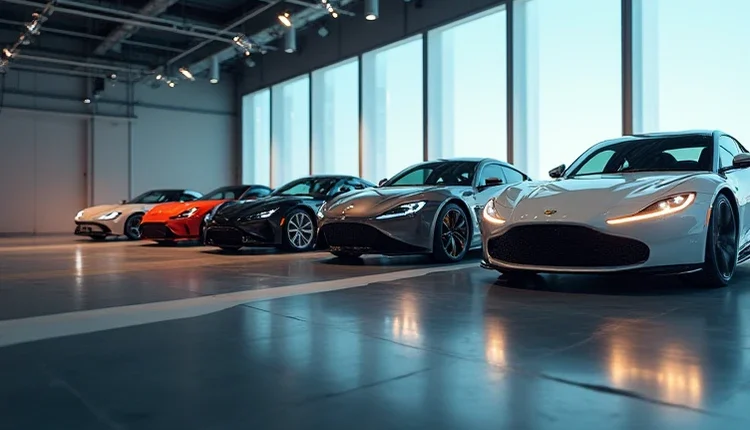
The automotive world is constantly evolving, introducing new technologies that eventually become standard. This post will take you into the fascinating world of automotive innovations that have become an integral part of modern cars.
🛠 Technical innovations
Anti-lock braking system (ABS)
ABS is a system that prevents the wheels from locking under heavy braking, giving you better control over your car. First introduced in the 1970s, it is now standard on all new cars.
Electronic Stability Program (ESP)
ESP helps prevent skidding and loss of control, especially in extreme driving conditions. This technology has become mandatory in Europe and the US, significantly increasing driver safety.
Cruise control
Regulates the speed of the car, allowing the driver to relax on long trips. Modern adaptive cruise control systems are even able to automatically adapt to the speed of other cars.
🌐 Information technology
GPS navigation systems
GPS navigation has become an indispensable assistant in travel. Thanks to it, drivers can easily find routes and avoid traffic jams.
Multimedia systems
Modern multimedia systems in cars offer entertainment and information on the go. They include radio, Bluetooth, navigation and much more.
Parking assistance systems
These systems use sensors and cameras to make parking easier, safer and more convenient even in tight urban conditions.
🌿 Ecological innovations
Hybrid and Electric Engines
In response to environmental concerns and the need to reduce CO2 emissions, hybrid and electric cars are becoming increasingly popular. They offer an alternative to traditional petrol and diesel engines.
Start-stop mode
This technology automatically switches off the engine when the car stops, for example at a traffic light, and restarts it when you move off. This reduces fuel consumption and emissions.
📌 Conclusions
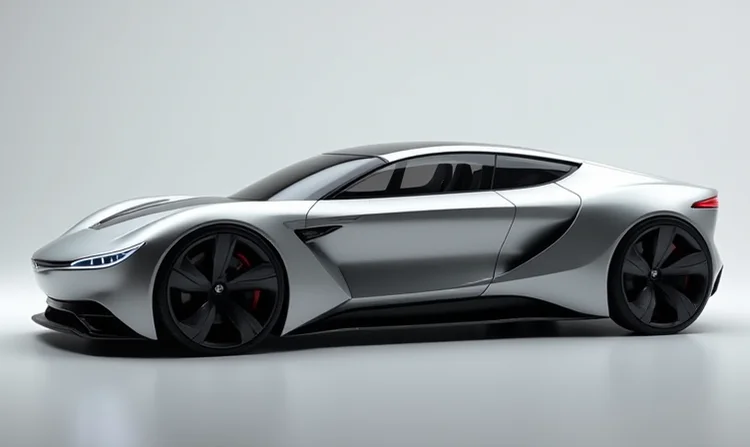
Automotive innovations that once seemed like science fiction are now standard and an integral part of our everyday lives. They not only make driving safer and more comfortable, but also help preserve the environment.
💡 Innovations in security
Airbags
Initially, airbags were a luxury, available only in expensive cars. Today, they are a mandatory element in every new car, significantly increasing safety in accidents.
Blind Spot Monitoring Systems
These systems warn the driver of vehicles or obstacles in blind spots, thereby preventing many accidents when changing lanes.
Automatic Emergency Braking (AEB)
AEB uses sensors to detect potential collisions and can automatically slow or stop the vehicle to avoid an accident or reduce its severity.
🌐 Connectivity and integration
Smartphone integration
Systems like Apple CarPlay and Android Auto make it easy and safe for drivers to use their smartphones while driving, giving them access to music, navigation and messaging.
Connecting to the Internet
Many modern cars come equipped with internet connectivity, offering additional services such as map updates, music streaming, and even a Wi-Fi hotspot.
Car diagnostics
Modern cars can diagnose problems themselves and notify the owner when service or repairs are needed.
📌 Conclusions
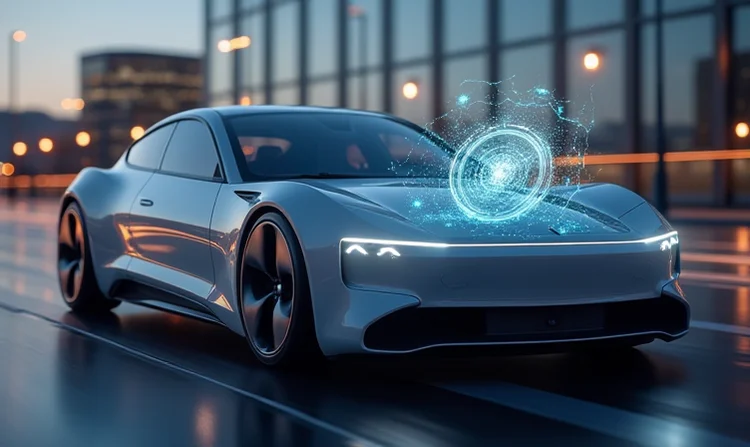
Automotive innovations continue to shape the future of the automobile industry, making cars smarter, safer, and greener. From simple mechanical improvements to complex electronic systems, these technologies have become an integral part of modern driving, ensuring comfort and safety on the roads.
🌿 Ecological Innovations
Hybrid and Electric Technologies
The transition from fossil fuels to hybrid and fully electric vehicles has been a significant step in reducing CO2 emissions and combating climate change.
Energy recovery systems
Technologies that allow energy to be recovered under braking have become standard in electric and hybrid vehicles, increasing their efficiency and range.
Ecological materials
Using recycled and sustainable materials in the interior and exterior of cars helps reduce the environmental footprint of their production and use.
🚀 Self-driving technology
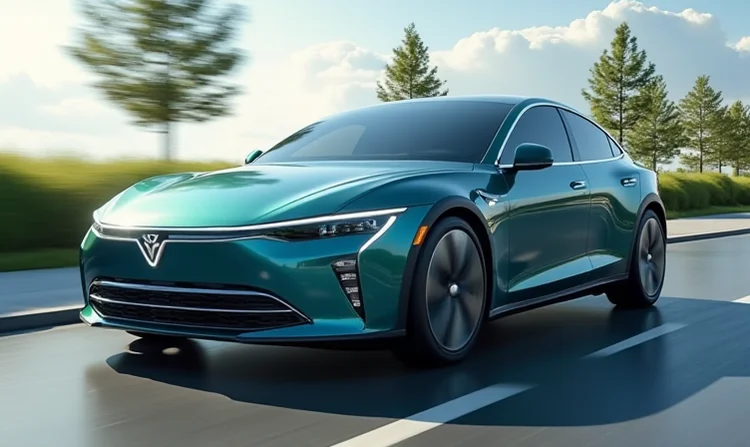
Autonomous systems level 3 and above
Driverless technologies that can drive a car on their own in certain conditions are already being implemented in production. This will change the perception of driving and mobility in general.
Driver assistance systems (ADAS)
Technologies such as adaptive cruise control, automatic lane keeping and emergency braking are now standard, enhancing driving safety and comfort.
📌 Conclusions
Automotive innovations are not only shaping the future of the auto industry, but also changing the way we think about cars and driving. From eco-friendly solutions to the development of autonomous driving, these technologies are opening up new horizons in the automotive industry, making it safer, more convenient and more environmentally friendly.
