
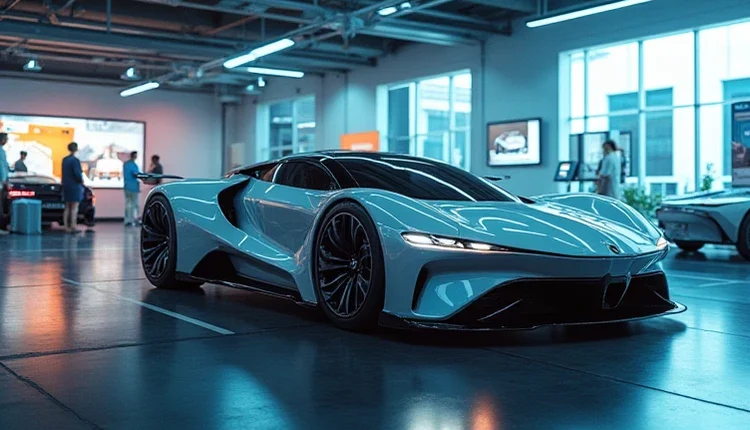
🚗 Prospects for the Automotive Industry: What Awaits Us in 2030?
The automotive industry is on the cusp of significant change. By 2030, we will see new technologies, concepts and trends that will revolutionize the way we perceive and use cars. Here you will find everything you need for the cars of the future that reflects these new technologies and trends.
🌐 Electrification and Ecology
By 2030, electrification of the vehicle fleet will become an even more prominent trend. Cars powered by alternative energy sources such as electricity and hydrogen will dominate the roads.
Reducing emissions
Environmentally focused government policies and increased demand for green vehicles will lead to a reduction in carbon dioxide emissions.
Development of charging infrastructure
New charging stations will be created and existing ones will be improved, making it easier to use electric vehicles in everyday life.
Innovations in batteries
Advances in battery technology will make electric vehicles more affordable, efficient and with longer range.
🤖 Autonomous Driving and Intelligent Technologies
Autonomous driving technologies will reach new levels by 2030, offering safer and more convenient ways to travel.
Autonomous driving systems
Cars will be able to move independently on the roads, reducing the risk of road accidents and improving driving comfort.
Integration with smart cities
Cars will be closely integrated with smart city infrastructure, ensuring more efficient and safer road traffic.
Personalized experience
The use of artificial intelligence and big data will allow cars to adapt to the individual preferences and needs of drivers and passengers.
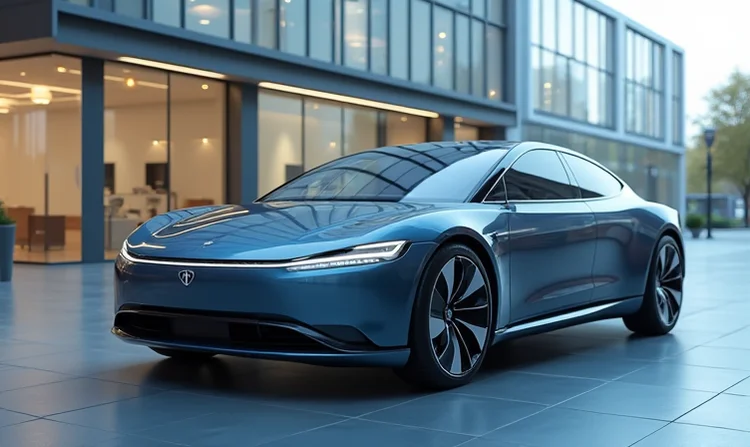
🏙️ Urban Mobility and Car Sharing
By 2030, the concept of urban mobility will undergo significant changes, with an emphasis on sustainability and efficiency.
Development of car sharing
Car sharing services will become even more popular, offering flexible and environmentally friendly alternatives to personal cars in urban areas.
Integration with public transport
Cars will be closely integrated with other types of urban transport, creating a unified and efficient transport system.
Smart transport solutions
Technologies such as the Internet of Things (IoT) and big data will help optimize urban traffic and improve transport accessibility.
🌿 Eco-Friendly and Sustainable Materials
In addition to electrification and autonomous technologies, sustainability of materials and production processes will become a key aspect in the automotive industry.
Use of sustainable materials
Car manufacturers will use eco-friendly materials, reducing their impact on the environment.
Green manufacturing processes
Automakers are looking to reduce waste and energy consumption at their production sites, strengthening their environmental responsibility.
Raising environmental awareness
Increased environmental awareness among consumers and governments will lead to a more responsible approach to the selection and use of vehicles.
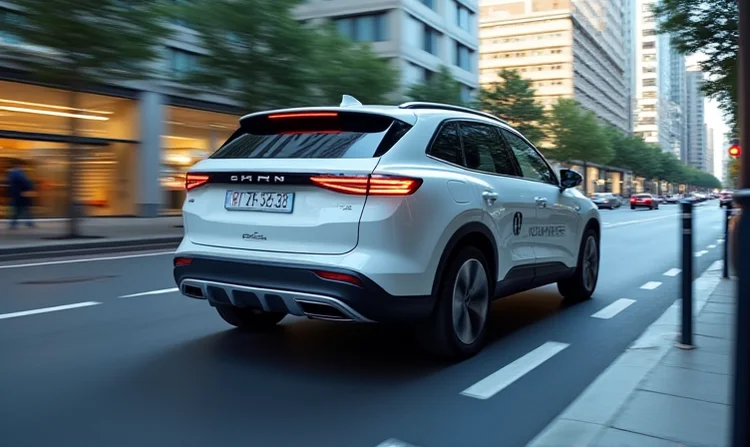
📈 The Future of Racing and Sports Cars
Sports cars and auto racing will also change by 2030, combining traditional craftsmanship with the latest technology.
Electrification of racing series
Popular racing series including Formula 1 and Le Mans will increasingly integrate electric and hybrid technologies, setting new standards of speed and efficiency.
Development of electric sports cars
Sports cars will be equipped with increasingly powerful and efficient electric motors, offering impressive dynamic performance with reduced environmental impact.
Innovations in Security
Future sports cars will include advanced safety systems, ensuring the protection of both racers and ordinary drivers on the roads.
🌍 The Impact of New Trends on Society
The future of the automotive industry will have a significant impact on society, changing the way we travel, the way we perceive transport, and our attitudes towards the environment.
Change in urban planning
The development of autonomous driving and car sharing will lead to a rethinking of urban space and infrastructure, with an emphasis on convenience and accessibility.
Ecological awareness
Strengthening trends towards sustainability and ecology will increase public awareness of the importance of environmental initiatives.
New business opportunities
Innovations in the automotive industry will open up new business models and market niches, from component production to services related to the cars of the future.
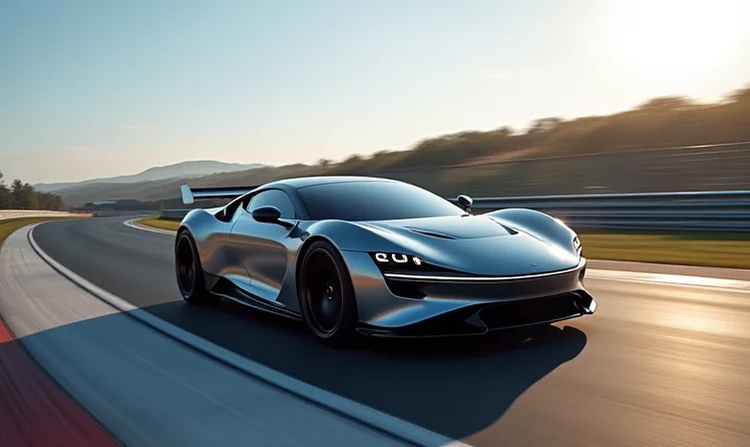
🚀 Conclusion: The Future of the Automotive Industry and New Horizons
By 2030, the world of cars as we know it will have undergone radical changes. These changes will not only improve technology and safety, but also make the automotive industry more sustainable and integrated into people’s daily lives.
Innovation and progress
The future of the automotive industry will be driven by innovation, with a focus on sustainability, electrification and smart technologies, opening up new opportunities for consumers and businesses.
Impact on society and the environment
The transition to cleaner, more efficient vehicles helps improve air quality and reduce carbon footprints, improving the overall health of the environment.
Rethinking Mobility
Mobility in the future will not only be about saving time and comfort, but also about reducing environmental impact and improving quality of life in urban and rural areas.
Thus, 2030 promises to be a turning point in the history of the automotive industry, opening a new page in which technological progress and sustainability will go hand in hand, inspiring the creation of a safer and cleaner future.
