
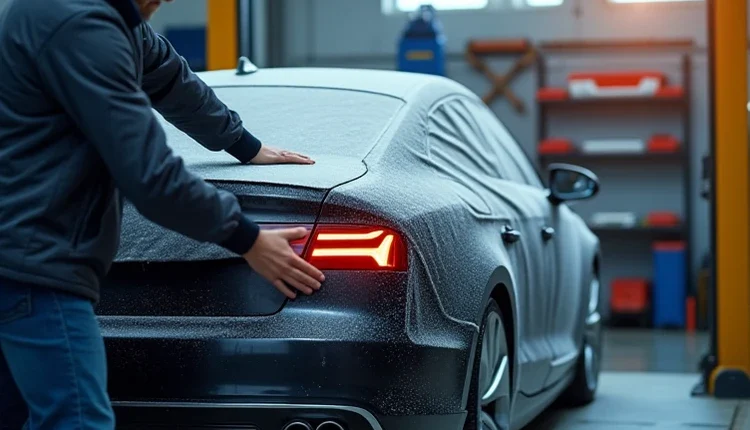
How to Properly Store Your Car in Winter
Winter is a time when it is especially important to pay attention to your car. Improper storage can lead to unpleasant consequences, from corrosion to engine failure. But don’t worry, because with the right approach and the necessary accessories, your car can safely “overwinter”. Read the recommendations and choose accessories for winter storage of your car here.
🚗 Preparing for winter storage
Before leaving your car for a long period of time, it is important to prepare it properly. First of all, make sure the car is clean, because dirt and salt can contribute to corrosion. Wash and dry the car thoroughly before leaving it for the winter.
🌡 Temperature mode
The optimal temperature for storing a car in winter is from 5 to 15 degrees Celsius. Cold can have a negative effect on the battery and liquids of the car. If you do not have the opportunity to store the car in a garage with such a temperature, be sure to insulate the battery and use antifreeze.
🛢 Liquids condition
Before long-term parking, check and, if necessary, replace all fluids in the car: engine oil, brake fluid, antifreeze. This will help to avoid problems with starting the car after winter.
🛡 Protection from moisture and dirt
Moisture is one of the main enemies of the car in winter. To protect the car from rust, use special means to protect the body. Also, do not forget about the tires – they should be treated with a protective composition against cracking.

💡 Electrical system
The car's electrical system also requires attention. Disconnect the battery if you plan to leave the car idle for a long time. This will prevent it from discharging and getting damaged.
🛠 Maintenance
Don't forget about maintenance. Before leaving your car for the winter, perform a full diagnostic and fix all the problems. This will ensure safe storage and make it easier to start the car after the winter.
Continuing with the topic of storing your car in winter, let's look at a few more important points that will help keep your car in perfect condition.
🚘 Vehicle location
Choosing a place to store your car in winter is key. A dry, well-ventilated garage is ideal. This will protect your car from bad weather and significant temperature changes. If you don’t have access to a garage, use special car covers that will protect against snow, rain and dirt.
🏠 Shelter from bad weather
Protect your car from snow and rain. If the car is outdoors, be sure to use quality covers that will provide protection from moisture and ultraviolet radiation.
🛢 Tire pressure
Don't forget to check the tire pressure. Incorrect pressure can cause tire deformation during long-term storage. It is recommended to set the pressure 0.5-1 bar higher than the norm to compensate for possible air loss.
🌡 Temperature control
Maintain a stable temperature in the storage area. Too low temperatures can negatively affect the battery and other vehicle systems.
🦺 Protection from rodents
Rodents can be a serious problem when storing your car for the winter. Use repellents or special protective nets to prevent damage to the wiring and other parts of the car.
🚗 Pre-launch check
Before using your car again after winter storage, perform a thorough check of all systems. This will help avoid unexpected problems and ensure safe driving.

📊 The Importance of Regular Checking
Even if your car is in storage, be sure to check it regularly. This includes checking the battery level, the condition of the tires, and any signs of corrosion.
Moving on to the next part of our winter car storage guide, let's take a closer look at the important aspects that will keep your car safe and sound.
📈 Table of recommended actions
For convenience, we will present the important steps in the form of a table:
🚗 Electronics safety
Don't forget about the car's on-board electronics. During long periods of parking, failures in electronic systems are possible. Make sure that all electronic devices are switched off and the battery is not subjected to unnecessary load.
🌡 Engine care
The engine is the heart of your car, and its condition is critical. Before long-term parking, be sure to warm up the engine so that the oil is evenly distributed throughout the system. This will help prevent clogging and damage to internal components.
💦 Condensation protection
Condensation can form in the fuel system and cause corrosion. To avoid this, fill the tank to full before long-term parking. This will reduce the risk of condensation.
🛡 Tips for additional protection
For additional protection of your vehicle, you can use silica gel or other moisture-absorbing materials in the interior to prevent moisture and mold from forming.
🚘 Periodic engine start
If possible, it is recommended to run the engine for a short period of time periodically. This will help maintain the battery in good condition and ensure that the oil circulates in the engine.

To conclude our guide to properly storing your car during the winter, let's look at the final recommendations and summarize all the information provided.
🎯 Final steps before launch
Before you start using your car again after winter, there are a number of things you need to do. Check all fluid levels, inspect your tires for damage, make sure the battery is fully charged and functioning properly. It is also important to make sure the brake system is working properly.
🚗 Inspection of the body and interior
Carefully inspect the body for corrosion or damage. In the interior, check the functionality of all systems, including heating, air conditioning, and multimedia devices. Do not forget to check and clean the ventilation systems.
🔧 After-sales service
After winter storage, it is recommended to perform a complete maintenance. This includes checking the ignition system, brakes, suspension and other critical components.
📝 Checklist
Here is a list of key points to check before returning your vehicle to service:
- Engine oil level and condition
- Brake fluid and antifreeze level
- Battery status and charger
- Checking tires for wear and pressure
- Performance of the brake system
- Functioning of all electrical devices
📚 Results and recommendations
By following these guidelines, you can ensure that your car is stored safely during the winter. It is important to remember that regular inspection and maintenance of your car is the key to its longevity and reliability. Winter storage requires careful attention to every detail to ensure that your car remains in perfect condition.
I hope these tips will help you keep your car in great condition throughout the winter. Good luck on the road!
| Action | Description |
|---|---|
| Checking and replacing fluids | Change engine oil, antifreeze and brake fluid. |
| Cleaning and protection of the body | Wash the car body thoroughly and treat it with protective agents. |
| Maintaining tire pressure | Set the pressure 0.5-1 bar higher than normal. |
| Disconnecting the battery | Disconnect the battery to avoid draining it. |
| Protection from rodents | Use repellents or protective nets. |
| Regular check | Inspect your vehicle regularly for signs of corrosion and damage. |
