
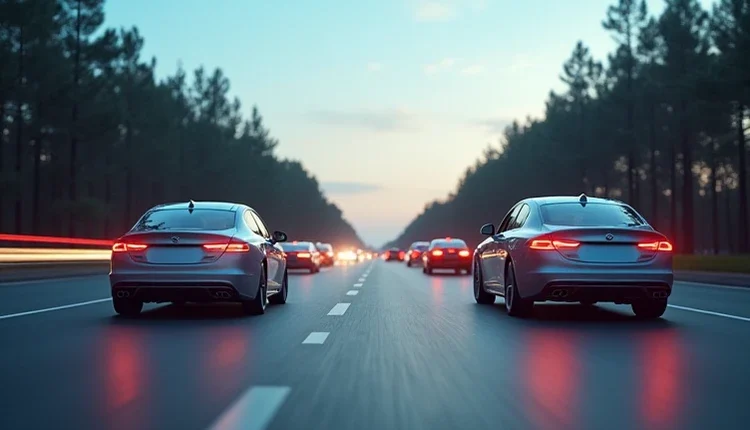
Cars communicating with each other: a new era of safety and comfort 🚗💬
Vehicle-to-Vehicle (V2V) Communication: What is it and how does it work? 📡
Vehicle-to-Vehicle (V2V) technology is an innovative approach to improving road safety. It is a system that allows cars to “talk” to each other in real time. Using wireless communication, cars can transmit and receive information about their location, speed and direction of travel. This significantly increases the chances of preventing accidents, as drivers are warned of potential hazards in advance.
Improving road safety 🚦
V2V systems can significantly reduce the risk of accidents by providing drivers with warnings about unexpected situations, such as sudden braking of cars ahead or approaching a dangerous intersection. This provides additional time to react, which can save lives.
Efficiency and driving comfort 🛣️
V2V technologies also help to make roads more efficient, reducing congestion and travel times. Systems can automatically adjust vehicle speed to provide a smoother ride and reduce fuel consumption.
Prospects for the development and implementation of V2V technology 🌐🔮
Implementing V2V technology requires not only developing and installing the appropriate equipment in vehicles, but also creating an infrastructure to ensure smooth and secure communication between vehicles. This includes developing security and data privacy standards, as well as updating road rules and regulations.
Impact on the Automotive Industry and Legislation 🚗📜
Automakers will have to adapt to new requirements by implementing V2V systems in new car models. Legislation will also need to change to regulate the use of this technology and protect user data.

Cooperation and global standards 🤝
Effective use of V2V technology requires global collaboration between vehicle manufacturers, governments and international organizations to develop universal communication standards and protocols.
Conclusions and the future of V2V technologies 🌟
Vehicle-to-Vehicle technology is ushering in a new era in the automotive industry, focusing on safety, efficiency and driving comfort. Advanced developments in this area promise significant changes in driver behavior and overall driving culture in the near future.
Integration with other technologies 🔄
V2V is just one part of a larger ecosystem of automotive innovations. Integration with other technologies, such as autonomous driving and smart road systems, will open up new opportunities to improve safety and comfort on the roads.
Changing perception and acceptance of technology by society 🌍👥
Widespread adoption of V2V requires a change in public perception and trust in such technologies. Education and information campaigns can help in adoption and adaptation to new driving standards.
Impact on the insurance sector and risk management 🛡️
V2V technology can radically change approaches to car insurance. Reducing risks and reducing the number of accidents will lead to a revision of tariffs and insurance conditions. Analysis of data from V2V systems can become the basis for an individual approach to insurance based on the actual behavior of drivers on the road.
Technology Development and Future Research 🔍
The future of V2V depends on ongoing research and development in wireless communications, data security, and integration with various transportation systems. Innovations in this area will contribute to the creation of smarter and safer cars.
Results: Communicating cars – the path to a safe future 🚗💡
V2V technology opens up exciting prospects for the future of automobiles and traffic. It not only improves safety and reduces risks on the roads, but also contributes to the development of smart transport systems. These innovations require the joint efforts of governments, car manufacturers and the public to be successfully implemented and adopted at a global level. In the future, we can expect cars to be not just means of transportation, but also active participants in traffic, capable of providing maximum safety and comfort.
V2V Benefits for Ecology and Efficiency 🌿⚡️
V2V technology can have a significant impact on the environment, reducing carbon emissions through more efficient traffic management and reducing congestion. Improved coordination between vehicles promises smoother driving, resulting in lower fuel consumption and a reduced environmental impact.
Integration with city infrastructure 🏙️🚦
For a V2V system to work properly, it needs to work closely with elements of the city infrastructure, such as traffic lights and road signs. This can lead to more intelligent and adaptive urban environments, where transport and infrastructure work in a coordinated rhythm.
Barriers and challenges to V2V implementation 🚧
It is necessary to consider various barriers that may arise on the way to the implementation of V2V technology. These include issues of privacy and data security, as well as the need to standardize technologies and protocols for information exchange between different car manufacturers.
Impact on the automotive market and business 📈🔍
V2V technologies can become a significant factor influencing the competitiveness of manufacturers in the market. Cars equipped with advanced communication systems can take a more advantageous position, meeting the growing consumer demands for safety and smart technologies.
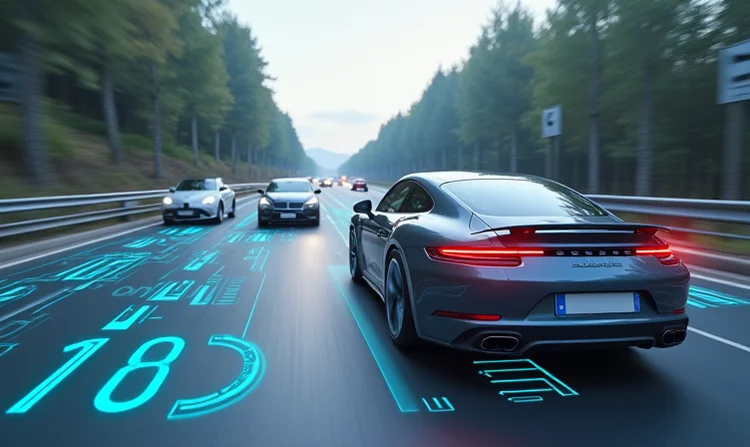
Conclusion: Cars of the Future – Connected and Smart 🚗💭
Vehicle-to-vehicle communication technology represents a new era in the automotive industry, where safety, efficiency and sustainability come first. It promises not only to make road traffic safer and more comfortable, but also to have a positive impact on the environment, improving the quality of life in cities. The integration of V2V with other smart technologies opens up exciting possibilities for a future in which cars become an integral part of society, contributing to sustainable development and the well-being of city dwellers.
