

Technologies for improving car aerodynamics
Aerodynamics plays a key role in the performance of a car. It affects the speed, fuel consumption and overall handling of the vehicle. With the development of automotive technology, new methods and tools for improving aerodynamic performance appear. Let's consider some of them.
🌬️ Active aerodynamics
Active aerodynamics is the use of moving parts on a vehicle that change their position depending on speed or other factors. Examples include:
- Active spoilers: These rise or fall to reduce air resistance or increase downforce.
- Adjustable air intakes: They open to cool the engine when needed and close to improve aerodynamic performance.
🚗 Aerodynamic body design
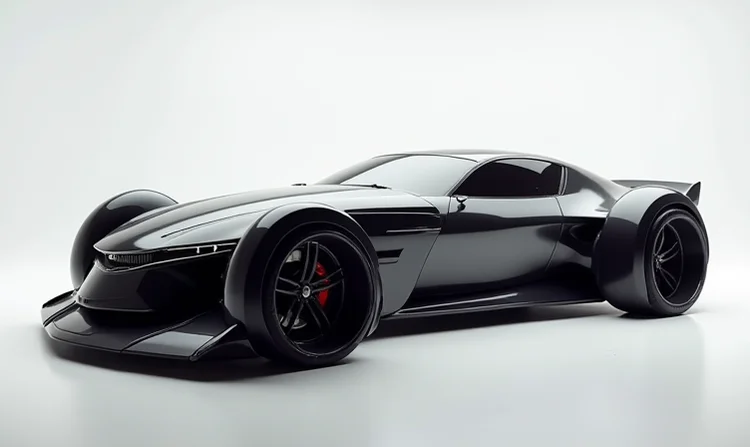
The body design has a huge impact on the aerodynamics of the car. Modern cars are designed with aerodynamic efficiency in mind:
- Smooth lines and streamlined shapes: They help reduce air resistance.
- Integrated spoilers and diffusers: They improve handling and stability at high speeds.
🛠️ Use of lightweight materials
The choice of materials also affects the aerodynamic properties of the car. Lightweight materials such as carbon fiber can reduce the overall weight of the car, thereby improving its aerodynamic performance.
🌐 The Impact of Aerodynamics on Fuel Efficiency
Improved aerodynamics directly impacts the fuel efficiency of a car. Reducing air resistance allows the engine to work with less effort, which leads to reduced fuel consumption. This is especially important for long trips at high speeds, where aerodynamic resistance significantly increases fuel consumption.
💡 Air flow control technologies
Modern cars use various technologies to control air flow, improving aerodynamic properties:
- Ventilated bumpers and hoods: These direct airflow to cool the engine and brakes and reduce lift.
- Air direction systems: These optimize the air flow around the vehicle, reducing turbulence and drag.
🚀 Development and testing in wind tunnels
Wind tunnels play a key role in the development and testing of vehicle aerodynamics. In these tunnels, engineers can accurately measure air resistance and determine how design changes affect aerodynamic performance.
🚘 Application of aerodynamics in racing cars
Racing cars often serve as a testing ground for new aerodynamic technologies. Developments successfully applied in racing often find their way into production models.

📊 Aerodynamic additives and accessories
To improve the aerodynamic characteristics of existing cars, various additives and accessories are used:
- Spoilers and body kits: They improve downforce and stability of the car at high speeds.
- Diffusers and ducts: These elements help manage airflow around and under the vehicle, reducing turbulence and drag.
- Aerodynamic wheels: They reduce the air resistance created by the rotating wheels.
🌿 Environmental benefits of improved aerodynamics
Improved aerodynamics not only improve performance, but also help reduce CO2 emissions. Reducing air resistance allows the engine to operate more efficiently, resulting in lower fuel consumption and a smaller carbon footprint for the car.
🔄 Interaction of aerodynamics with other vehicle systems
Aerodynamics interact with many other systems in a car, including the engine, transmission, and suspension. For example, improving aerodynamics can allow a less powerful engine to be used without losing performance, which reduces the overall weight of the car and further improves its efficiency.

🧪 New developments in aerodynamics
Research and innovation in the field of aerodynamics do not stand still. Developers are constantly looking for new ways to improve the performance of cars:
- Use of aerodynamic coatings: Special coatings can reduce friction and air resistance, improving aerodynamic properties.
- Integrating aerodynamic features into overall vehicle design: New design methods make it possible to create vehicles where every part of the body contributes to improved aerodynamics.
📈 Aerodynamics and the future of automobile manufacturing
In the future, aerodynamics will play an even more significant role in car design. This applies not only to sports and racing cars, but also to everyday vehicles. Improving aerodynamic performance will help make cars more fuel-efficient, environmentally friendly and safe.
🚗 Aerodynamics Tips for Car Owners
Even owners of regular cars can contribute to improving aerodynamics:
- Installation of aerodynamic accessories: This may include spoilers, body kits and aerodynamic mirrors.
- Keeping your vehicle clean: Dirt and debris on the vehicle's surface can impair aerodynamic performance.
- Optimising roof load: Large roof racks and/or roof loads significantly increase air resistance.
To select the right accessories, visit Find accessories to improve the aerodynamics of your car here.
📚 Conclusion
Aerodynamics is an important aspect of the design and performance of modern cars. From active aerodynamics to innovative materials and designs, improving aerodynamic properties plays a key role in making cars more efficient, safer, and more environmentally friendly. The future of the automobile industry promises to be even more exciting with the advent of new aerodynamic technologies.
