

Machine Learning in the Automotive Industry: Prospects for 2024 🚗💡
Machine learning is no longer just a trend, but an integral part of the automotive industry. In 2024, significant innovations are expected that will change the face of the auto industry. In this store, you will find accessories with smart functions that highlight these trends.
Automation of production 🏭🤖
The Role of Machine Learning
In the automotive industry, machine learning is actively used to automate production processes. Robots trained using machine learning algorithms are able to perform more complex and precise tasks. This increases efficiency and reduces production time.
Innovations and advantages
Using machine learning in manufacturing not only optimizes processes, but also reduces costs by reducing the amount of defects. In addition, it provides flexibility in production, allowing you to quickly rebuild lines for new car models.
Development of autonomous vehicles 🚗👀
Progress in autonomous driving
Machine learning plays a key role in the development of autonomous cars. Algorithms allow machines to learn from huge amounts of data, making autonomous driving safer and more efficient.
Outlook for 2024
By 2024, autonomous cars are expected to be widely used not only for commercial purposes but also in everyday life. The development of machine learning will allow cars to better understand their environment and make more accurate decisions in complex driving situations.
Personalizing your driving experience 🚘🔧
Machine learning and user experience
Machine learning is also being used to personalize the driving experience. Cars can adapt settings to a specific driver, taking into account their preferences in driving style, climate control, and media system.
The Future of Personalization
By 2024, cars are expected to be able to offer even more personalized experiences using data on driver behavior and habits. This will improve driving comfort and safety.
Improving road safety 🛣️🛡️
The Contribution of Machine Learning to Security
Machine learning can significantly improve road safety. Advanced Driver Assistance Systems (ADAS) are becoming more effective thanks to the ability of algorithms to accurately analyze the road situation and warn of potential hazards.
The Future of ADAS
By 2024, ADAS is expected to be further improved, with a focus on accident prevention. This will help reduce accidents and improve driver and pedestrian safety.
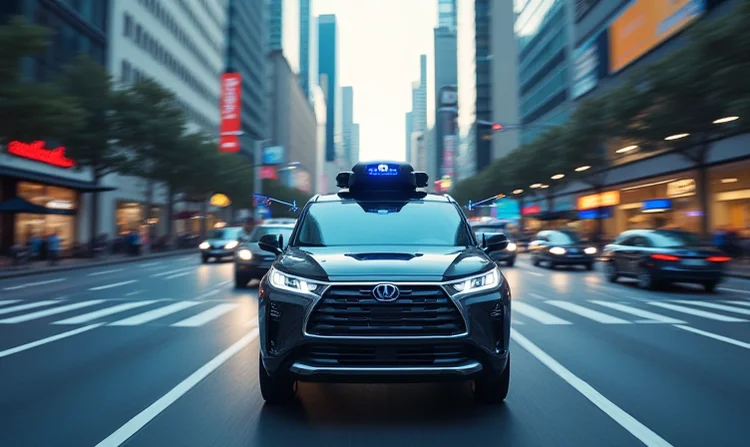
Development of intelligent transport systems 🚦🌐
The Role of Machine Learning in Traffic Management
Machine learning is also used in intelligent transportation systems (ITS), which analyze traffic data to optimize traffic flows and reduce congestion.
ITS Prospects
In 2024, ITS will become even more intelligent and coordinated, which will significantly improve the efficiency of urban transport and reduce pollution levels.
Impact on the automotive market and consumers 🌍💰
Machine learning as a factor in market development
Machine learning is having a significant impact on the automotive market. It not only improves existing products, but also enables new business models and services.
Changes for consumers
For consumers, this means a wider choice of cars with various intelligent functions and services, improved quality and ease of use of the car.
The development of autonomous vehicles 🚗🤖
The Contribution of Machine Learning to Autonomous Driving
The development of autonomous cars is closely linked to machine learning. Algorithms allow cars to accurately interpret data from sensors and cameras, ensuring safe driving without human intervention.
Advances in Autonomous Technology by 2024
By 2024, machine learning is expected to become increasingly integrated into autonomous vehicles, making them even more reliable and accessible to a wider audience.
Personalizing your driving experience 🚘👤
Adapting cars to individual needs
Machine learning also allows cars to adapt to individual driver preferences. Cars will be able to automatically adjust control systems, infotainment systems, and other features to the driver's habits and needs.
Prospects for personalization
By 2024, personalized features will become standard in mid-range and premium vehicles, providing drivers with comfort and convenience.

Impact on ecology and sustainable development 🌱♻️
Environmental Benefits of Machine Learning
Machine learning applications in the automotive industry also contribute to environmental sustainability. More efficient traffic management and improved ADAS systems help reduce CO2 emissions.
The Future of Sustainable Transport Solutions
By 2024, the number of eco-friendly transport solutions based on machine learning is expected to increase, helping to combat climate change and improve air quality in cities.
Integration with Internet of Things (IoT) and Big Data 🌐💡
Connecting cars with urban infrastructure
Integrating machine learning with IoT opens up new possibilities for cars. They will be able to interact with city infrastructure, such as traffic lights and road signs, to manage traffic more efficiently.
Benefits of IoT Integration
By 2024, such integration will improve traffic management, reduce travel times and increase road safety.
Security and Machine Learning 🛡️🤖
Improving road safety
Machine learning plays a key role in improving road safety. Algorithms can predict and prevent accidents by reacting faster than humans.
Safety Prospects in Autonomous Cars
By 2024, a significant reduction in accidents is expected due to the expanded use of machine learning in car safety systems.
Conclusion: The Future of Machine Learning in Automotive 🚗🔮

Impact on the Automotive Industry
Machine learning will continue to have a significant impact on the automotive industry, making cars smarter, safer, and greener.
Results
By 2024, machine learning will change the face of the automotive industry, bringing about a range of positive changes from safety to ecology and usability.
