
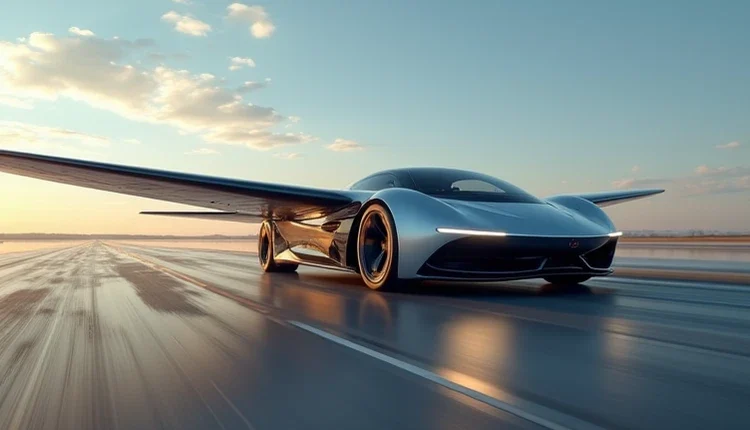
Flying Cars: When Will They Become a Reality? 🚁🚗
Flying cars have long ceased to be just an element of science fiction and are actively entering the sphere of real technologies. With the advent of new innovative developments and improvement of aerodynamic properties, we are approaching an era where flying cars will become part of our everyday life. This is not just fantasy , but a reality that can change the idea of transport of the future. Choose accessories for your innovative car here.
Technological breakthrough in aviation and automotive industry 🚀🔧
Integrating Aviation Technologies into Automotive Design
The development of flying cars requires the fusion of aviation technology with classic automobile manufacturing. This includes the creation of lightweight but strong materials, the development of efficient and safe flight control systems, and the integration of automated safety systems.
Overcoming barriers in legislation
One of the key aspects influencing the emergence of flying cars in everyday life is the need to develop new legislation and standards. This includes airspace regulations, safety standards and requirements for pilot operators.
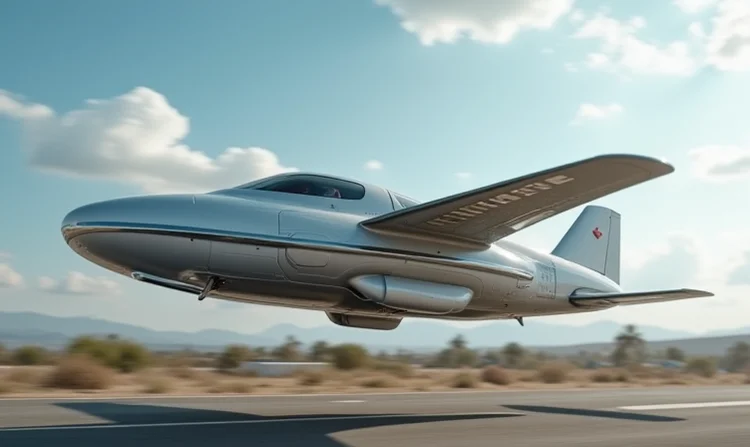
Potential and Prospects of Flying Cars 🌍✨
Changing the paradigm of urban transport
Flying cars could revolutionize urban transport, promising to significantly reduce travel times, reduce traffic congestion, and bring a new level of mobility to city dwellers.
Impact on the environment and sustainable development
Flying car technology also opens up new possibilities for reducing the environmental impact of transport. The use of electric motors and the latest green technologies helps reduce carbon emissions and noise pollution.
Opportunities for business and tourism
Flying cars could become a new tool for business and tourism, offering unique personal travel and delivery services. This opens up broad prospects for the development of the hospitality and logistics industries.
Problems and challenges on the way to implementation 🚧🔍
Technical and engineering challenges
Developing flying cars faces a number of engineering and technical challenges. These include ensuring sufficient power for vertical takeoff and landing, stability and maneuverability in the air, and operational safety.
Economic aspects
The introduction of flying cars will require significant investment in both the development of the vehicle itself and the creation of the necessary infrastructure. These are issues of availability and cost for consumers, as well as issues of financing and return on investment for the development companies.
Psychological barrier and public perception
Public acceptance of flying cars is also an important factor. It is necessary to overcome the psychological barrier and convince people of the safety and practicality of this type of transport.
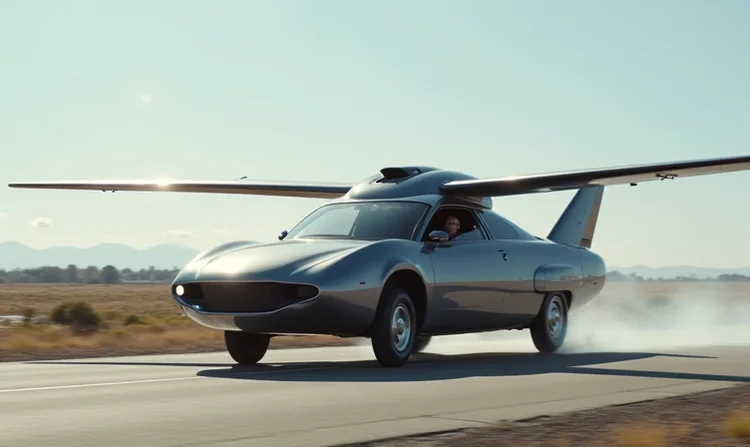
The Path to Flying Cars 🛣️🔮
Research and development
The first step towards the implementation of flying cars is active research and development. Companies and research laboratories around the world are already working on creating prototypes that could meet both technical and safety standards.
Pilot projects and testing
An important stage is pilot testing of flying cars in various conditions. This will allow us to evaluate their practicality, safety and cost- effectiveness, as well as identify possible problems and find ways to solve them.
Cooperation with government agencies
Successful implementation of flying cars requires close cooperation with government agencies in the areas of airspace regulation, safety standards and infrastructure projects.
Public awareness and education
Raising public awareness of the benefits and capabilities of flying cars, as well as educational programs aimed at training workers and consumers, will be key to the successful implementation of this technology.
Integration into existing infrastructure 🌉🚦
Development of new standards
Integrating flying cars into the existing transport system will require the development and implementation of new standards. This applies to both the technical parameters of the cars and the rules for their operation.
Infrastructure projects
The construction of specialized runways, the upgrading of the road network and airspace, and the creation of traffic management systems for flying cars will be an integral part of the integration process.
Environmental aspects
It is necessary to take into account the environmental aspect of the development of flying cars, including their impact on the environment and the possibility of using alternative energy sources.
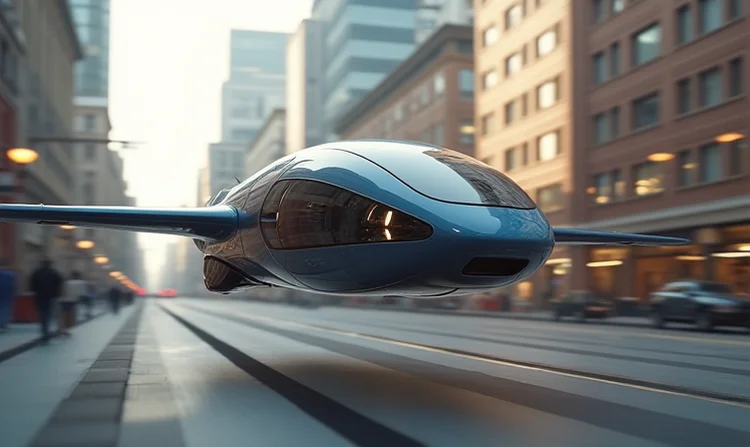
Prospects and forecasts 🌟💭
Time frame
Estimates of the time frame for when flying cars will become a reality vary. Some experts suggest that the first commercial models could appear as early as the next decade, while others believe that mass adoption will take longer.
Economic forecasts
Economic forecasts for the flying car market remain optimistic despite high investment costs. The new segment is expected to offer significant business and innovation opportunities.
Impact on society and culture
Flying cars could have a significant impact on social life and culture, changing the way we travel, the perception of distance, and even the architecture of cities.
Conclusion and results 🌟🚗
Revolution in the transport industry
Flying cars promise to revolutionize the transportation industry. They offer a new level of mobility and could radically change the way we travel and live in cities.
Technological and social challenges
The flying car concept faces significant technological and social challenges. Issues of safety, regulation, and integration with existing infrastructure need to be addressed.
Impact on the environment
The creation of environmentally friendly and energy-efficient flying cars is a key aspect for the sustainable development of this field.
The future is closer than it seems
Despite all the difficulties and challenges, flying cars are no longer just a fantasy, but a reality that many companies and research groups around the world are working on. A future in which we can travel by air may be just around the corner.
