
Electric Cars: A New Stage in the European Automotive Industry 🚗🔌
Electric vehicles (EVs) are gaining popularity in Europe, opening a new chapter in the history of the automotive industry. The penetration of these vehicles into the market has significant impacts on environmental, economic and social aspects.
Growing Popularity of Electric Cars 📈
Every year the number of EVs on European roads increases. This is due to the increasing environmental awareness of the population, the desire to reduce carbon emissions and the development of infrastructure for charging these cars.
Contribution to Ecology 🌿
EVs help improve the environmental situation in cities by reducing air pollution. They are an important part of Europe's strategy to achieve carbon neutrality.
Economic Outlook 💶
Electric vehicles offer new economic opportunities, including the development of a battery manufacturing sector and the creation of a charging infrastructure.
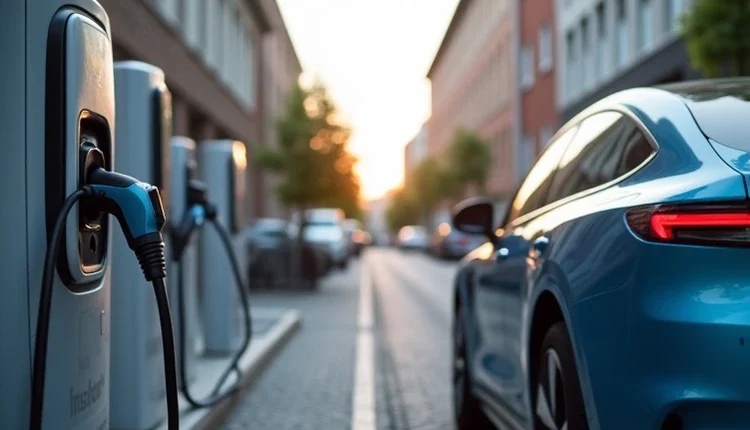
Image: Electric vehicle charging station ⚡🔋
Technological Innovations and Improvements 🛠️💡
Advanced Battery Technology
Advances in battery technology are increasing EV range and reducing charging times, making them more attractive to consumers.
Integration with Renewable Energy Sources
Using renewable energy to charge electric vehicles enhances their environmental benefits by reducing reliance on fossil fuels.
Political Initiatives and Legislative Framework 🏛️📜
Government Support and Subsidies
European governments are actively supporting the spread of EVs, offering tax breaks, subsidies and incentives for buyers of electric vehicles. This is aimed at stimulating demand and accelerating the transition to clean transport.
Development of Charging Infrastructure
Increasing the number and availability of charging stations is a key factor in expanding the use of EVs. European countries are investing in developing this infrastructure, making it easier to use electric vehicles.
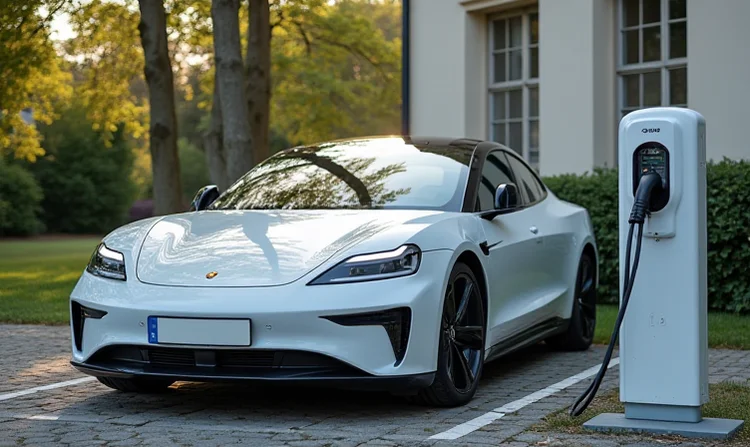
Image: Modern electric car 🚗🌍
Problems and Challenges 🚧🚩
Battery Life and Charging Issues
One of the main barriers to purchasing an EV is consumer concerns about range and availability of charging stations.
High Cost and Availability
Despite falling battery prices, EVs still cost more than traditional cars, limiting their accessibility to a wider range of consumers.
Conclusions and Prospects 🌟🔮
Electric vehicles represent a significant step towards a sustainable future of transport in Europe. They not only promise environmental benefits, but also new economic opportunities. Overcoming existing barriers and further development of technology will make electric vehicles even more accessible and practical for everyday use.
Innovations and Technological Achievements 🔌💡
Improving Battery Technology
Current research is aimed at increasing the energy capacity of batteries and reducing charging time. This is a key factor in increasing the driving range and reducing “charging anxiety” among users.
Development of Autonomous Driving
Electric vehicles often include advanced autonomous driving technologies, making them more attractive to consumers looking for innovation and convenience.
Environmental Impact and Sustainable Development 🍃🌏
Reducing Carbon Footprint
Electric vehicles significantly reduce CO2 emissions, especially when they are charged with renewable energy.
Reducing Air Pollution
In cities where the share of electric vehicles is high, there is a decrease in air pollution levels, which has a positive impact on the health of citizens.
Conclusions and Prospects 🌟🔮
Continued innovation and government support are creating favourable conditions for the growth of electric vehicles in Europe. Not only do they contribute to environmental goals, but they also open up new opportunities for the automotive industry and consumers. The outlook for electric vehicles in Europe looks promising, with the promise of a cleaner, more sustainable and innovative future of transport.
