

The best car tires for winter: rating and recommendations 🌨️🚗
Choosing winter tires is a key aspect of driving safety in the cold season. Correctly selected tires provide better traction and reduce braking distances on snow and ice. Choose tires for safety on winter roads to make your trip as comfortable and safe as possible.
How to choose winter tires? ❄️🔍
When choosing winter tires, there are several important criteria to consider:
- Size and Fit: Select tires according to the vehicle manufacturer's recommendations. Incorrectly sized tires may reduce braking performance and vehicle handling.
- Marking: The presence of the snowflake symbol on a mountain background (3PMSF) indicates that the tire has been tested and meets winter conditions standards .
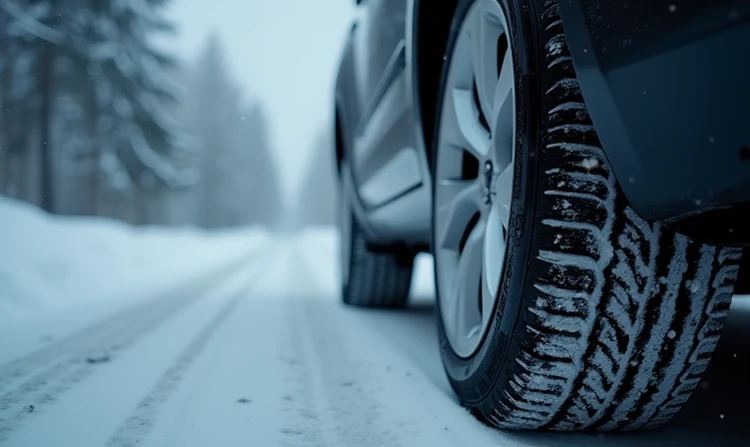
- Rubber Compound: Winter tires have a softer compound that provides better grip in cold weather.
Popular Winter Tires Rating 🌟⚖️
- Michelin X-Ice Xi3: They are distinguished by their durability and provide excellent handling on snow and ice.
- Bridgestone Blizzak WS80: These tires are known for their excellent winter grip and resistance to aquaplaning.
- Continental WinterContact SI: Offers excellent traction and braking on snow.
Characteristics comparison table
Mistakes when choosing and using winter tires ❌⚠️
- Using summer tires in winter: This significantly increases the risk of an accident due to poor road grip.
- Improper Storage: Tires should be stored in a dry and dark place to prevent premature aging.
Conclusions and recommendations 📝👍
Choosing the right winter tires is not only a guarantee of safety, but also driving comfort during the winter months. Investment in quality tires pays off by increasing road safety and reducing the risk of accidents.
How to check the condition of winter tires? 🧐🔧
Checking tires for wear and damage should become a regular habit for every car owner:
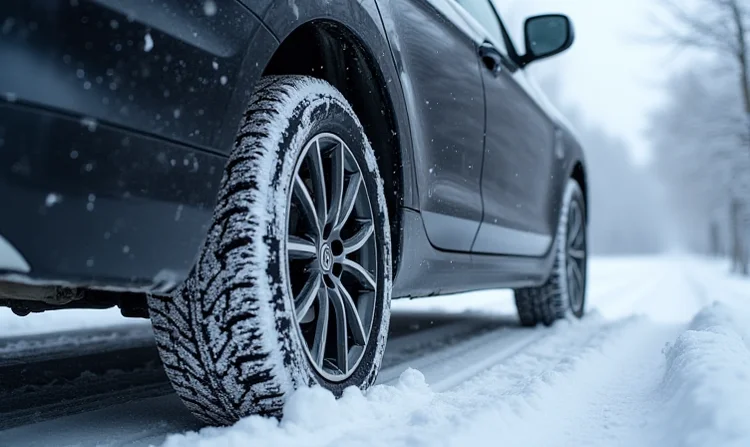
- Tread depth: The minimum tread depth for winter tires is 4 mm. Insufficient tread depth reduces the effectiveness of tires on winter roads.
- Visual Inspection: Check tires for cuts, cracks, and other damage. Damaged tires can be dangerous to use.
Winter Tire Care Tips 🚗💡
- Storage: Store tires in a cool, dry place away from direct sunlight.
- Balancing and Inspection: Check your tires regularly for balance and inspect them for uneven wear.
Benefits of Using Quality Winter Tires
- Safety: Reduces the risk of accidents and improves vehicle control.
- Fuel Economy: Good tires help you use your fuel more efficiently.
- Driving comfort: Reduced noise levels and improved overalldriving comfort.
Conclusion 🏁
Selecting the right winter tires and maintaining them properly contributes to safe and comfortable driving during the winter period. Pay attention to the quality and condition of the tires, because they play a key role in road safety.
| Model | Snow traction | Braking efficiency | Wear resistance |
|---|---|---|---|
| Michelin X-Ice Xi3 | Excellent | Tall | Tall |
| Bridgestone Blizzak WS80 | Excellent | Tall | Average |
| Continental WinterContact SI | Excellent | Tall | Tall |
