
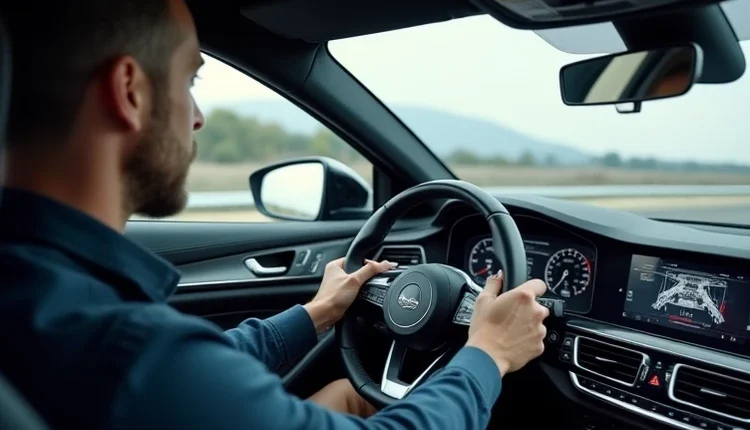
Automotive innovations to improve handling
In today's automotive world, vehicle controllability is a key aspect that manufacturers pay special attention to. With the advent of new automotive technologies, the possibilities for improving vehicle stabilization and controllability have expanded significantly. Let's look at the most significant innovations in this area.
🚗 Modern control technologies
Innovations in automotive mobile technology have made driving more intuitive and safer. Here are some of the key advances:
- Stabilization systems. They help maintain vehicle stability in difficult road conditions, preventing skidding and loss of control.
- Adaptive steering. These systems automatically adjust the steering force depending on the speed, providing easy control at low speeds and stability at high speeds.
- Electronic brake control systems. They improve braking precision and facilitate more efficient distribution of braking force.
Select accessories to optimize your vehicle's handling here.

🌐 The Impact of Automotive Innovations on Safety
Improving controllability directly affects driving safety. Modern control systems not only make driving easier, but also help prevent road accidents:
- Collision avoidance systems: These use sensors and cameras to monitor the situation on the road and can automatically slow the car down in critical situations.
- Lane Departure Monitoring: These systems warn the driver if the vehicle begins to leave its lane uncontrollably.
🛠️ Suspension technologies and their impact on handling
One of the key aspects of control is the car's suspension. With the development of m technologies, the suspension has become more adaptive and intelligent:
- Adaptive suspension. This system automatically adjusts the suspension stiffness depending on road conditions, providing an optimal balance between comfort and control.
- Active roll control systems. They reduce body roll in corners, improving stability and control at high speeds.
📡 Development of driver assistance systems
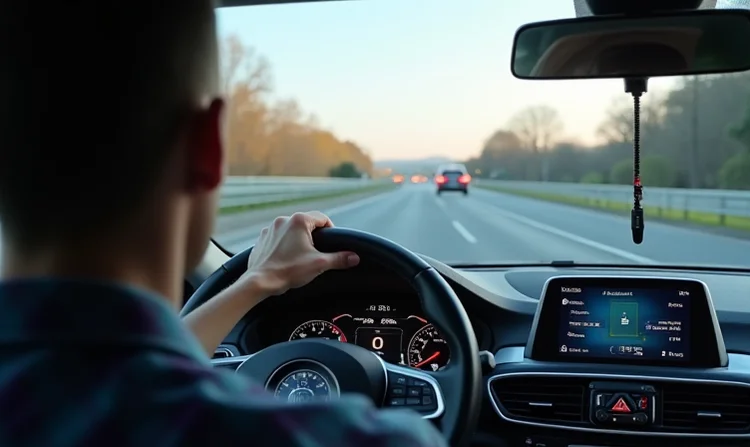
Modern cars are equipped with advanced driver assistance systems (ADAS) that directly affect handling:
- Adaptive cruise control. This system maintains a set distance from the vehicle in front, automatically adjusting the speed.
- Blind Spot Monitoring System. It warns the driver about vehicles in the blind spots, increasing safety when changing lanes.
🌟 The influence of electronics on controllability
With the development of electronic technologies in cars, controllability has reached a new level:
- Electronic engine management systems. They optimize engine operation to provide better traction and control.
- Electronic Brake-force Distribution. This system ensures optimum braking of each wheel depending on road conditions.
🌐 Automation and autonomous driving
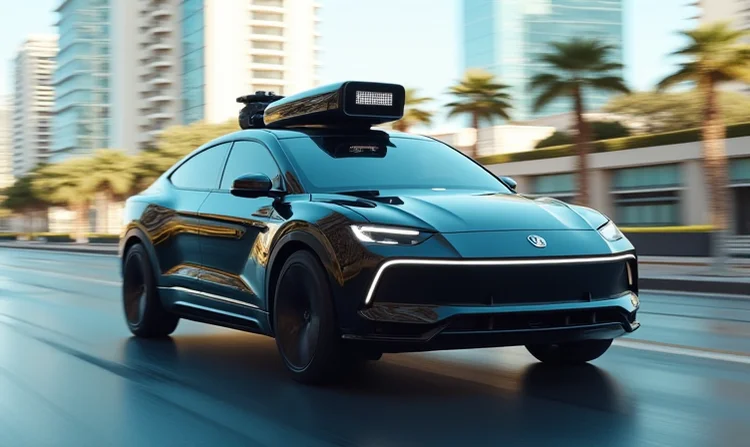
Advances in automation and the development of autonomous technologies also play a significant role in improving the driving experience of cars. These innovations include:
- Semi- autonomous driving: Systems such as Autopilot can control the car in certain conditions, making the driver's job easier and increasing safety.
- Fully autonomous cars. In the future, these technologies are expected to allow cars to navigate independently without human intervention, which will significantly increase the level of safety and comfort on the roads.
🚀 Contribution of innovations to sustainability and efficiency
Innovations in handling not only improve safety and comfort, but also contribute to improving the environmental friendliness and efficiency of vehicles:
- Reduced fuel consumption. More efficient control and optimised driving contribute to reduced fuel consumption and, as a result, reduced CO2 emissions.
- Improved aerodynamics: Innovations in the design and construction of cars also affect the reduction of air resistance, which increases the efficiency of the vehicle.
📈 Statistics and research in the field of controllability
Research into automotive technology shows significant improvements in handling and safety. For example, data shows a reduction in traffic accidents as a result of the introduction of driver assistance systems and automated driving technologies.
🚧 Overcoming the challenges of driving
Modern automotive technologies also aim to overcome various challenges associated with driving:
- Improved handling on difficult road surfaces. Systems such as Electronic Stability Program (ESP) and Anti-lock Braking System (ABS) significantly improve handling on slippery or uneven roads.
- Adaptation to different weather conditions. Modern cars are equipped with sensors that help adapt driving style to changing weather conditions, increasing safety.

📱 The role of digital technologies and software in driving
Digital technologies and software play an important role in improving manageability:
- Diagnostic systems. Modern cars are equipped with systems that constantly diagnose the condition of various components of the car, warning the driver of potential problems.
- Software updates. Many modern cars have the ability to update software over the Internet, allowing you to improve control functions without having to visit a service center.
🌟 Conclusion
Innovations in automotive control are revolutionizing the driving experience. From driver assistance systems to autonomous technologies, these developments not only make driving more intuitive and convenient, but also significantly improve road safety. Following these innovations and integrating them into drivers’ daily lives makes car journeys safer and more enjoyable.
