
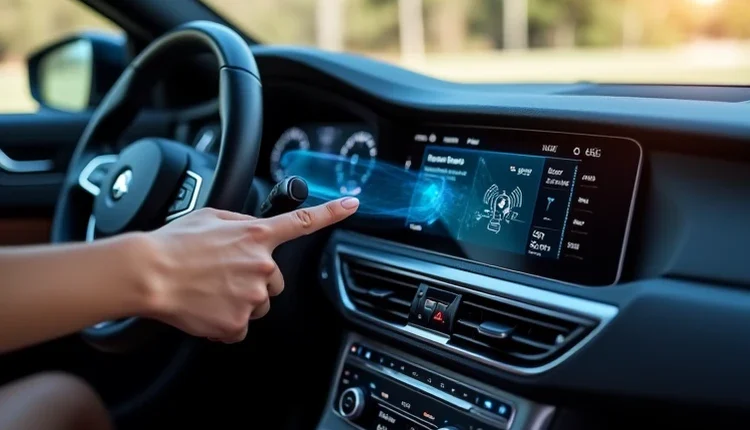
Automotive Innovations to Improve Climate Control
Climate control in a car plays a key role in creating comfortable driving conditions. With the development of technology, car manufacturers offer increasingly advanced solutions to maintain an optimal climate in the cabin.
🚗 The importance of a comfortable climate in the cabin
Maintaining a comfortable climate in your vehicle not only improves the overall driving experience, but also contributes to safety by reducing driver fatigue and increasing concentration.
🌟 Innovations in climate control systems
Choose accessories to create a comfortable climate in your car here, exploring the latest technologies such as:
- Automatic climate control: Systems that automatically maintain a set temperature in the cabin.
- Air Filtration: Filtration systems that remove pollen, pollutants and allergens from the air.

🛠 Development of intelligent climate control systems
Intelligent climate control systems use sensors and algorithms to optimize temperature based on external conditions and the preferences of the driver and passengers.
🔄 Integration with other vehicle systems
Modern climate control systems can integrate with other vehicle features, such as heated seats and steering wheel, to provide all-round driving comfort.
🌐 Adaptive climate control
Adaptive climate control systems automatically adjust the interior temperature based on various factors, such as the outside temperature, the intensity of sunlight, and even the number of passengers in the car. This ensures individual comfort for each passenger.
- Sensors and automatic adjustment: Sensors determine the optimal climate settings based on current conditions.
- Individual passenger settings: Allows each passenger to customise the climate to suit their preferences.
🎛 Development of energy efficient systems
With growing attention to ecology and energy efficiency, car manufacturers are developing climate control systems that use less energy, thereby reducing the load on the engine and increasing the fuel efficiency of the vehicle.
- Energy efficient compressors: Improve the overall efficiency of the climate control system.
- Optimize system performance: Minimizes energy consumption without compromising comfort.
🚦 Integration with smart car systems
Climate control is increasingly integrated with smart car systems, allowing drivers to control climate settings via mobile apps or voice commands. This adds convenience and allows the system to be adjusted without even being in the car.
- Remote control via mobile app: Preheat or cool the interior before entering the car.
- Voice control: Conveniently change climate settings while driving.
🌤 Development of air filtration and purification systems
Modern climate control systems not only control the temperature, but also provide air purification in the cabin. High-efficiency filters remove dust, allergens and pollutants, creating a healthy and comfortable environment for the driver and passengers.
- HEPA filters and ionization systems: Remove up to 99% of pollutants from the air.
- Interior fragrance: Creates a pleasant atmosphere with individually adjustable fragrances .
🌬 Development of a climate control system with zones
Multi-zone climate control systems allow the driver and passengers to individually adjust the temperature in different areas of the cabin. This is especially useful in vehicles with many passengers, where preferences may vary widely.
- Multi-zone climate control: Allows each passenger to choose their ideal temperature.
- Independent Control: Improves overall comfort by allowing separate control of the climate in the front and rear of the cabin.
🚀 Innovations in heating and cooling systems
Advances in heating and cooling systems make climate control in cars more efficient and faster. The use of advanced materials and technologies helps to achieve the desired temperature more quickly and maintain it.
- Rapid cooling and heating: Systems are able to quickly change the temperature in the cabin, providing comfort in any conditions.
- Thermally conductive materials: Improve the distribution of heat and cold in the passenger compartment.
🌿 Environmental aspects of climate control
With environmental responsibility in mind, car manufacturers are implementing climate control systems that minimize their impact on the environment. This includes using environmentally friendly refrigerants and reducing the overall energy consumption of the system.
- Environmentally friendly refrigerants: Use of refrigerants with low global warming potential.
- Energy Optimization: Climate control systems that use energy efficiently, reducing environmental impact.
🚗 Integration with electronic vehicle control systems
Integration of climate control systems with the vehicle's central computer and other electronic systems allows for the optimization of climate control depending on general driving conditions and the vehicle's technical condition.
- Synchronisation with other vehicle systems: Climate control works harmoniously with other vehicle systems to ensure optimum comfort and safety.
- Automatic adjustment depending on driving conditions: Climate control adapts to changes in speed, engine load and external weather conditions.
📱 Smart climate control via apps
With the development of smart car technologies, climate control can now be controlled via mobile apps. This allows drivers to set the temperature in the car before the start of the trip or change the settings remotely.
- Remote climate control: Ability to start the climate control system before entering the vehicle to create comfortable conditions.
- Personalization of settings: Save individual preferences of each user in the application.
🌡 Automatic temperature control in the cabin
Modern climate control systems are able to automatically maintain a set temperature in the cabin, responding to changes in the external environment and the activities of the driver and passengers.
- Adaptation to external conditions: Automatically changes settings depending on the weather and temperature outside.
- Comfort in different conditions: Maintaining a stable and comfortable temperature in the cabin regardless of external changes.
🍃 Using natural materials to improve the climate in the cabin
The use of natural and breathable materials in the interior trim helps to create a healthier and more comfortable environment. Natural fabrics, leather and wood have better ventilation properties and help to maintain a pleasant climate in the interior.
- Natural finishing materials: Improved air quality and interior comfort through the use of environmentally friendly materials.
- Seat ventilation: Ventilation systems in the seats provide additional comfort in hot weather.
🏁 Conclusion: The Future of Climate Control in Cars
Improving climate control systems in cars is aimed at creating the most comfortable conditions for the driver and passengers. Integration with modern technologies, the use of environmentally friendly materials and the development of intelligent control systems allow you to create an optimal climate in the cabin, taking into account individual preferences and external conditions.
