
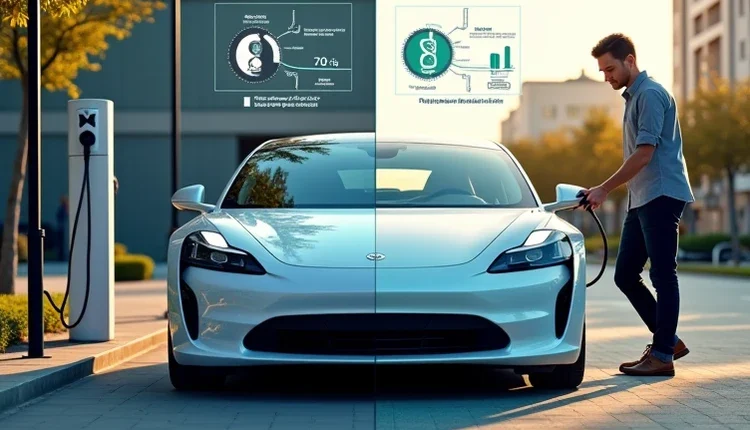
Electric Cars vs Hybrids: Economy and Eco-Friendliness 🌱🚗
In today's world, the choice between electric cars and hybrids is becoming increasingly important for drivers in Germany, America and Europe. This post will help you understand the main differences between these two types of cars and determine which one is better suited to your needs for economy and eco-friendliness. Choose accessories for your type of car.
Electric Cars: Clean Ecology and Long-Term Savings 🌿🔋
Electric vehicles (EVs) run entirely on electricity, making them an ideal choice for eco-conscious drivers. Not only do they reduce carbon emissions, but they also help reduce noise pollution because their engines are significantly quieter than traditional combustion engines.
Advantages of Electric Vehicles:
- Zero emissions: EVs produce no tailpipe emissions, reducing carbon footprint and improving air quality.
- Low running costs: Electricity is cheaper than petrol or diesel.
- Government incentives: Many countries offer tax breaks and subsidies for the purchase of EVs.
Flaws:
- Limited Range: Even though battery technology is constantly improving, the range on a single charge is still limited.
- Charging time: Charging an EV takes longer than refilling with gasoline.
Hybrids: The Best of Both Worlds 🚗⚡
Hybrid cars combine an electric motor with a traditional combustion engine. They offer a balance between environmental friendliness and ease of use.
Advantages of Hybrids:
- Increased range and convenience: Hybrids can switch to the gasoline engine when the battery charge runs low, increasing overall driving range.
- Automatic regeneration: Hybrids often use regenerative braking technology, which helps conserve battery power.
- Fuel Economy: By using an electric motor, hybrids use less fuel than conventional cars.
Flaws:
- High Cost: Hybrids can be more expensive to purchase than traditional cars.
- Maintenance complexity: Having two systems requires more complex maintenance.
Comparative Analysis: Economy and Ecology
When comparing electric vehicles and hybrids, there are several key aspects to consider:
Economic Expenditures
- Electric vehicles can offer big savings in the long run, especially when you consider the low cost of electricity and minimal maintenance.
- Hybrids offer fuel savings and may be more affordable in the short term.
Eco-friendliness
- Electric vehicles offer significant benefits in terms of reducing emissions, especially in countries with clean electricity sources.
- Hybrids reduce carbon dioxide emissions compared to conventional cars, but still produce emissions when using an internal combustion engine.
Conclusions and Recommendations 📝
The choice between an electric car and a hybrid depends on the individual needs of the driver, his lifestyle and preferences. For those who are looking for a completely green option and are ready to invest in the future, electric cars are the ideal choice. Hybrids are suitable for those who value flexibility and versatility, looking for a balance between economy and ecology.
Either way, both electric vehicles and hybrids offer significant advantages over traditional cars and are a step towards a more sustainable and greener future.
Technical Aspects and Support 🛠️
When choosing between an electric vehicle and a hybrid, it is important to consider the availability of support infrastructure. Electric vehicles require access to charging stations, while hybrids can take advantage of existing gas stations.

Infrastructure for Electric Vehicles:
- Charging Stations: Developing a network of charging stations is a key factor for the spread of electric vehicles.
- Home Charging: EV owners can install home chargers for convenience and savings.
Hybrid Support:
- Fuel System Flexibility: Hybrids can be refueled at regular gas stations, making them more convenient for long trips.
- Less Reliance on Charging: By combining electricity and gasoline, hybrids are less reliant on charging stations.
Environmental Aspects and Sustainability 🌍
Environmental friendliness and sustainability are key factors when choosing between an electric car and a hybrid. While both types of cars are greener than traditional internal combustion engines, there are important differences.
Contribution to Sustainability:
- Electric vehicles eliminate emissions entirely during operation, especially if they are powered by renewable energy sources.
- Hybrids reduce overall emissions and fuel consumption, but still have a carbon footprint due to the use of gasoline.
Solution: Which Car is Right for You? 🚘
The choice between an electric car and a hybrid depends on your lifestyle, preferences, and mobility requirements. If you need a car for city trips and want to reduce your carbon footprint as much as possible, an electric car is a great choice. For those who often take long trips and are looking for a more flexible solution, a hybrid will be preferable.

Conclusion
Both electric vehicles and hybrids offer more sustainable and eco-friendly transportation options than traditional petrol and diesel vehicles. Your choice should be based on your personal lifestyle, mobility needs and environmental preferences. Regardless of your choice, switching to electric or hybrid vehicles is a step towards a more sustainable future.
