

🚗 Hybrids vs. Diesels in 2024: Which is the Better Choice?
The choice between hybrid and diesel cars has always been difficult. In 2024 this dilemma remains relevant. Let's figure out which is better to choose based on the latest trends and technologies. Let's start with the key aspects of each type of car.
🌿 Hybrid Cars
Advantages of Hybrids
- Environmentally friendly: Hybrids reduce carbon emissions, which helps improve the ecology of cities.
- Fuel Economy: By combining an electric and gasoline engine, hybrid cars save fuel.
- Tax incentives and subsidies: Many countries offer tax incentives for purchasing hybrid vehicles.
Disadvantages of Hybrids
- High initial cost: Hybrids are generally more expensive than their diesel counterparts.
- Maintenance Complexity: Because there are two types of engines, hybrids can be more complex and expensive to maintain.
⛽ Diesel Cars
Advantages of Diesel
- Durability: Diesel engines are known for their reliability and long service life.
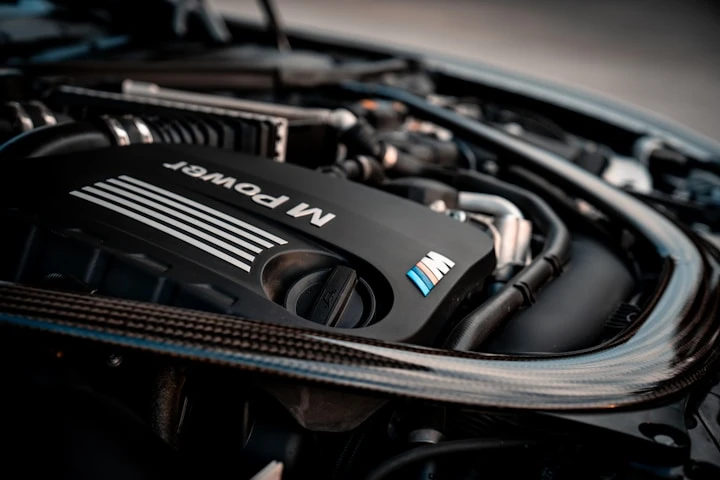
- Power: Diesel is ideal for vehicles that require a lot of traction, such as SUVs.
- Long-distance economy: Diesel is more economical than hybrid over long distances.
Disadvantages of Diesel
- Environmental Damage: Diesel engines produce more harmful emissions than hybrids.
- Higher taxes: In some countries, diesel cars are subject to higher taxes due to harmful emissions.
🔄 Comparison and Choice
The choice between a hybrid and a diesel largely depends on individual preferences and operating conditions:
- For city driving: Hybrids are preferable due to fuel economy and environmental friendliness.
- For longer trips: Diesel can be more economical and practical.
🌐 World Trends
In 2024, global trends are shifting towards hybrid technologies. This is due to the desire to reduce environmental damage from motor vehicles and increased interest in environmentally friendly technologies.
📈 Market Analysis and Consumer Trends
In recent years, the market has seen a shift towards environmentally friendly vehicles. Manufacturers are actively developing and improving hybrid models, offering a wider choice to consumers. On the other hand, diesel cars are gradually losing their popularity, although they remain in demand in some segments, especially in commercial vehicles.
🌱 Environmental Standards
Strict environmental standards, particularly in the European Union and the United States, have a significant impact on the choice between hybrid and diesel cars. As emissions standards become more stringent, many carmakers are abandoning diesel models in favor of hybrid and electric technologies.
💡 Technological Advantage of Hybrids
Technological innovations in hybrid vehicles are attracting the attention of consumers. Improved batteries, increased fuel efficiency and reduced noise levels are making hybrids increasingly attractive.
💸 Economic Factors
In terms of savings, hybrid cars may have lower long-term costs despite their higher initial cost. Over time, fuel savings and green vehicle incentives may offset the initial investment.
📊 Statistics and Forecasts
Hybrid vehicles are expected to continue to grow in market share. Research data shows that hybrids will have a significant market share by 2024, while diesel vehicles will continue to decline.
🚘 Practical Tips for Buyers
When choosing between a hybrid and a diesel car, it is worth considering the following aspects:
- Distance and Driving Style: If you often drive long distances, diesel may be preferable. For city driving, hybrids are better.
- Budget: Hybrids are more expensive to purchase, but can be more economical in the long run.
- Environmental Preferences: If environmental concerns are important to you, hybrids are the best choice.
🌍 Environmental Impact
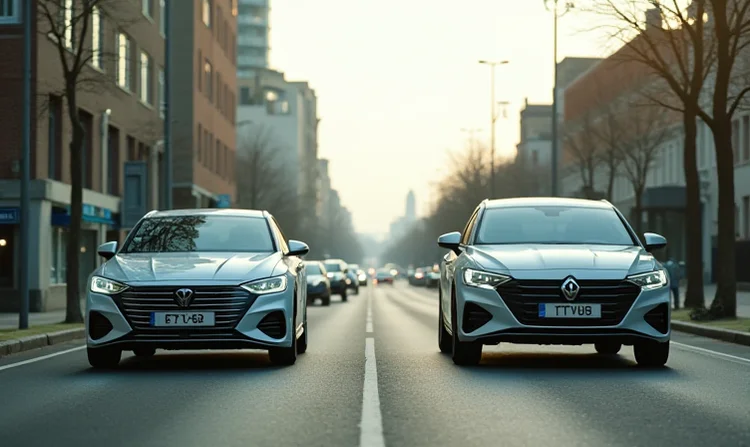
The environmental aspect is one of the key factors influencing the choice between hybrids and diesels. Hybrid cars significantly reduce the emissions of carbon dioxide and other pollutants, making them more preferable for environmentally conscious consumers.
🚗 Maintenance and Reliability
Hybrid vehicles often require less maintenance than diesel vehicles due to the fewer moving parts in electric motors. However, the cost of replacing batteries and other unique components of hybrid systems must be taken into account.
🚀 Technological Innovations
Continued innovation in hybrid technology is increasing its appeal to consumers. Improved energy management systems, increased battery power, and integration with modern technologies are making hybrids increasingly functional and user-friendly.
🌟 Benefits of Hybrid Cars
- Environmentally friendly: Hybrids significantly reduce emissions of carbon dioxide and other pollutants.
- Fuel Economy: Hybrid vehicles generally use less fuel, especially in urban areas.
- Low Noise Level: Hybrid vehicles' electric motors operate quieter, improving driving comfort.
🌟 Advantages of Diesel Cars
- Performance: Diesel engines offer more power and torque, which may be important to some consumers.
- Durability: Diesel engines are known for their durability and reliability, especially under heavy use.

💰 Economic Benefit
Considering the economics is also important when choosing between hybrid and diesel cars. While hybrids may be more expensive to purchase, they make up for it with lower fuel and maintenance costs.
🌱 Environmental Standards
The desire to comply with increasingly stringent environmental regulations and standards may also influence the choice in favor of hybrids. In many countries in Europe and America, requirements for the environmental friendliness of cars are becoming more stringent, making hybrids a more preferable option.
🔄 Secondary Market
Hybrid cars often retain higher residual values than diesel vehicles, making them more attractive to buyers planning to sell the vehicle in the future.
🌟 Conclusions
- Hybrids: The ideal choice for those looking for an eco-friendly, economical and quiet car.
- Diesels: Better for those who value power, durability and performance.
The choice between hybrid and diesel cars in 2024 will depend on individual preferences, driving style and environmental views of each consumer.
