
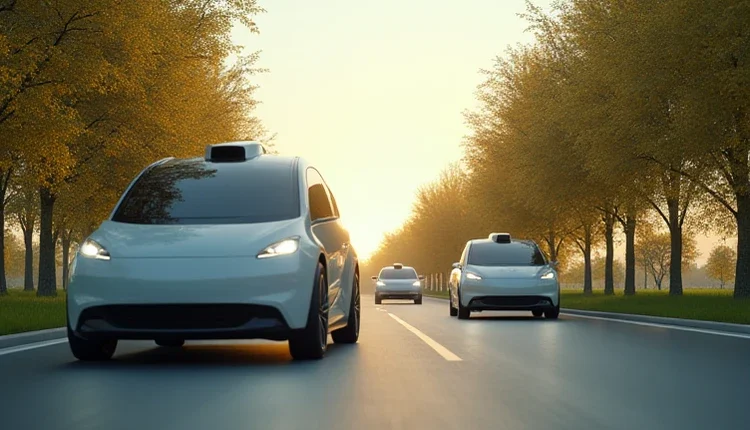
🚗 Driverless cars and their impact on the environment
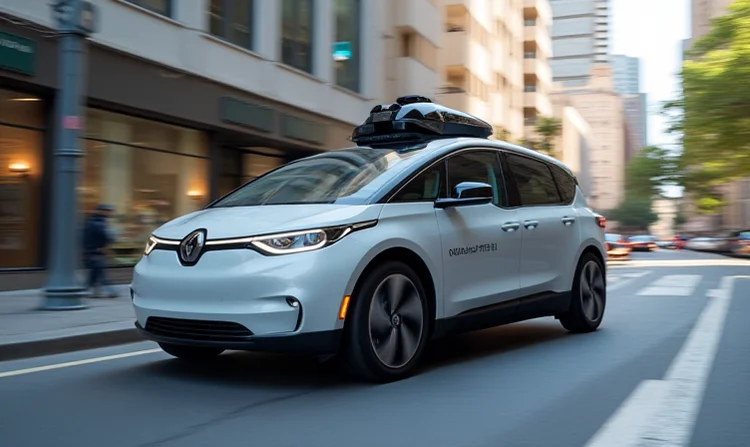
Driverless cars are becoming a key part of the modern transport landscape. Not only do they promise to change the way we travel, but they also offer significant environmental benefits.
🌱 Environmental benefits of driverless cars
Reducing carbon dioxide emissions
- Fuel efficiency: With optimized engine operation and fewer unnecessary stops, self-driving cars can reduce fuel consumption and associated emissions.
- Integration with electric vehicles: Most self-driving cars run on electricity, which further reduces emissions.
Reducing environmental pollution
- Fewer accidents and congestion: Self-driving cars can reduce the number of traffic accidents and congestion on the roads, resulting in reduced emissions from idling engines.
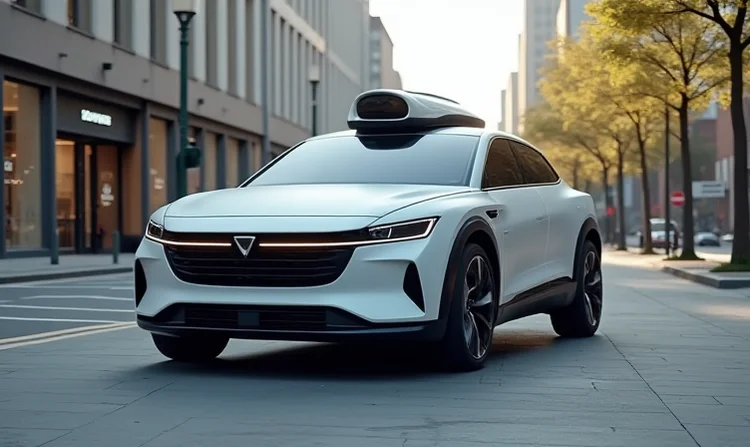
🛣️ Impact on urban infrastructure and transport
Driverless cars not only help improve the environment, but can also radically change urban infrastructure.
Optimization of city traffic
- Efficient traffic management: Self-driving cars can significantly improve traffic flow, reducing travel time and reducing pollution.
- Reducing the need for parking: Automated systems can reduce the need for large parking spaces in cities.
Development of new transport infrastructure
- Integration with smart cities: Self-driving cars could become part of a larger ecosystem of smart cities that use advanced technologies to improve the lives of city residents.
🌿 The Impact of Driverless Cars on Public Safety and Health
Driverless cars not only help protect the environment, but also promise to significantly improve public safety and health.
Reducing road accidents and improving road safety
- Reduced human error: Eliminating the need for human control reduces the risks associated with driver fatigue, distraction and errors.
- Advanced safety systems: Self-driving cars are equipped with a variety of sensors and systems to help prevent accidents.
Impact on public health
- Noise reduction: Self-driving cars, especially electric ones, reduce noise pollution in cities.
- Improved air quality: Reducing emissions of carbon dioxide and other harmful substances improves air quality, which has a positive impact on the health of city residents.
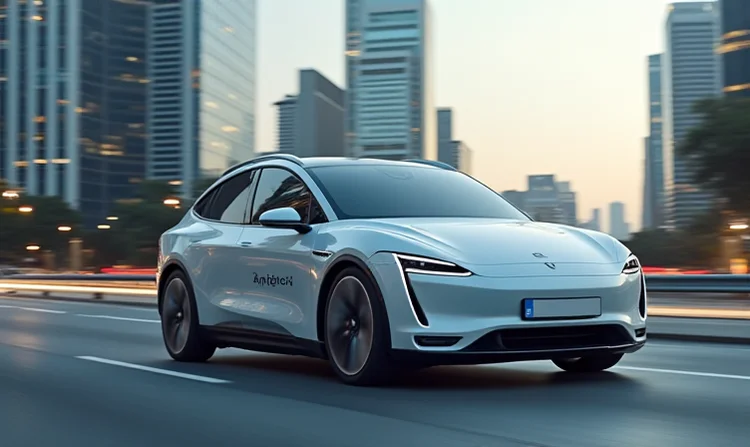
🌍 Ecological future and the role of driverless cars
The prospects for driverless cars are at the heart of debates about the future of ecology and sustainability.
Ecological potential
- Integration with renewable energy sources: The ability to charge self-driving cars from renewable energy sources such as solar and wind power.
- Reducing the ecological footprint: Reducing the total number of cars on the road and switching to greener energy sources reduces humanity's ecological footprint.
Development Prospects
- Creating sustainable urban ecosystems: Driverless cars can be part of a broader system of sustainable urban planning that includes smart homes, public transportation, and pedestrian and cycling infrastructure.
🚀 Technological innovation and development of driverless cars
Driverless cars are one of the most striking examples of technological progress in our time. Their development and implementation promise radical changes in many aspects of our lives.
Breakthrough in Artificial Intelligence and Machine Learning
- Development of artificial intelligence algorithms: AI and machine learning play a key role in navigation and decision-making of self-driving cars.
- Big Data Processing: The ability to analyze and process huge amounts of data in real time makes self-driving cars safer and more efficient.
Integration with other technologies
- Internet of Things (IoT) connectivity: Self-driving cars can interact with other devices and systems, improving overall functionality and safety.
🌐 Impact on the economy and society
Driverless cars not only offer environmental and technological benefits, but also promise significant economic and social impact.
Economic Prospects
- Creating New Jobs: The rise of the self-driving car industry is opening up new opportunities for technology, engineering and data professionals.
- Reduced operating costs: Automation and improved efficiency can reduce overall transportation costs.
Social changes
- Transportation accessibility: Self-driving cars could offer new mobility solutions for people with disabilities or those who cannot drive.
🌍 Ecological future and the role of driverless cars in its formation
Driverless cars are not only a technological innovation, but also an important element in humanity's quest for a sustainable future.
Environmental challenges and solutions
- Reducing Greenhouse Gases: Switching to self-driving electric vehicles could significantly reduce carbon emissions.
- Reducing the environmental footprint of transport: Optimising routes and reducing the number of cars on the road reduces the overall impact of transport on the environment.
Prospects for urban ecology
- Improving the urban environment: Self-driving cars can help create cleaner, safer cities with improved air quality and less noise pollution.
🌟 Conclusion: Driverless cars as a milestone in environmental progress
Driverless cars represent a significant step forward in achieving environmental sustainability and improving the quality of life in cities. They offer solutions to reduce pollution, improve safety and optimize transport infrastructure. These innovations open up new possibilities for a greener and more convenient future, where technology and sustainability go hand in hand.
