
Eco-friendly cars: advantages and disadvantages 🌿🚗
In today's world, eco-friendly cars are playing an increasingly important role, providing an alternative to traditional petrol and diesel cars. They promise reduced emissions and improved air quality, but they also have a number of limitations. Choose eco-driving accessories to maximise your experience of using these cars.
🌱 Benefits of Eco-Friendly Cars
Reducing Harmful Emissions
One of the main advantages of eco-friendly cars is their low emissions. Electric and hybrid cars significantly reduce the amount of pollutants emitted, which has a positive effect on the environment and public health.
Main Benefits:
- Low CO2 levels: Electric vehicles do not emit carbon dioxide during operation.
- Reduced Pollutant Emissions: Hybrids and alternative fuel vehicles reduce overall emissions.
Saving Resources
Green cars are often more energy efficient. Electric cars use electricity, which can be more efficient than traditional fuel sources, especially when using renewable energy sources.
Economic Benefits:
- Lower fuel costs: Electric vehicles and hybrids are often cheaper to operate.
- Government incentives and subsidies: Many countries offer tax incentives and rebates for the purchase of green cars.

🚧 Disadvantages of Eco-Friendly Cars
Limited Range and Infrastructure
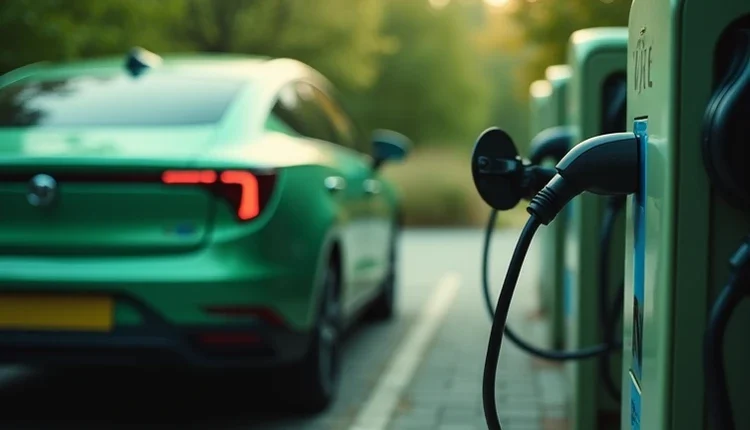
The main disadvantage of electric cars is their limited range and the need for regular charging. Another problem is the underdeveloped infrastructure of charging stations in some regions.
Restrictions:
- Limited Range: Electric vehicles require regular charging, which can be a problem on long trips.
- Insufficiently developed infrastructure: Not everywhere there are enough charging stations.
High Initial Cost
Despite the savings over time, green cars often have a higher initial cost than traditional cars. This can be a significant barrier for some consumers.
Financial Matters:
- High purchase price: Electric vehicles and hybrids can be more expensive to purchase.
- Cost of replacing batteries: In the long run, the battery may need to be replaced, which is an expensive procedure.
🔄 Life Cycle and Disposal
Impact on the Environment
An important aspect of eco-friendly cars is their environmental impact throughout their entire life cycle, including production, use and disposal. Issues of battery disposal and the use of rare earth metals pose challenges to environmental sustainability.
Life Cycle Features:
- Production: High energy costs for manufacturing batteries.
- Recycling: The need for efficient recycling of batteries.
🚀 Technological Development
Innovations and Improvements
Technological innovations continue to improve the efficiency and affordability of green vehicles. Improvements in battery technology, reduced production costs and the development of new, more sustainable materials are opening up new horizons for the sector.
Development Prospects:
- Improving battery technology: More power and less cost.
- Use of alternative materials: Development of environmentally friendly and recyclable components.
🌐 Global Trends
World Changes
Green cars are becoming increasingly popular around the world, especially in Europe, the US and Germany, where governments are actively encouraging their use. This not only reduces the environmental impact, but also promotes the development of new technologies and markets.
World Initiatives:
- Government incentives: Subsidies and tax breaks for purchasing green cars.
- Emission standards: Tightening emission standards for vehicles.
🌱 Ecological Awareness of Consumers
Growing Concern for Nature
With increasing awareness of climate change and environmental issues, consumers are increasingly choosing eco-friendly cars. This trend is supported by increased environmental awareness and aspirations for a sustainable lifestyle.
Factors Influencing Choice:
- Concern about reducing carbon footprint.
- Increased attention to air quality.
- The trend towards an environmentally friendly lifestyle.
📊 Comparative Analysis
Eco-Friendly vs. Traditional Cars
When comparing green cars to traditional cars, it is important to consider both environmental and economic aspects. Green cars have a lower environmental impact, but their performance and cost may differ.
Key Comparative Features:
- Emissions and environmental friendliness.
- Cost of ownership and operation.
- Accessibility and ease of use.
💡 Innovation and Future
Directions for the Development of Eco-Friendly Cars
Innovation in green vehicles continues to accelerate. Developments in batteries, alternative fuels such as hydrogen, and improved environmental performance of materials are opening up new opportunities for the automotive industry.
Promising Technologies:
- Improving battery efficiency and capacity.
- Development of hydrogen technologies.
- Eco-friendly production and disposal.
🚗 Conclusions
Balance of Advantages and Disadvantages
The choice between green and traditional cars depends on many factors, including personal preference, lifestyle, and environmental awareness. Despite some drawbacks, green cars offer significant sustainability benefits and can play a key role in reducing environmental impact.
