
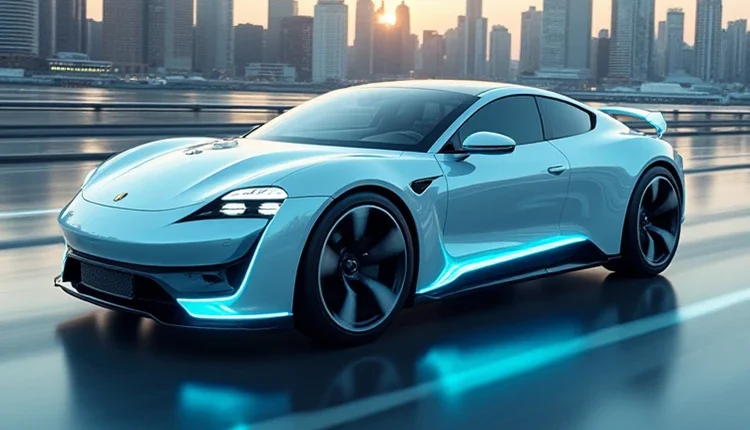
🌍 Hydrogen Fuel Cells in Cars: The Future is Here
The automotive industry has been undergoing a revolution in the last decade with the introduction of hydrogen fuel cells. These innovative technologies promise to radically change our understanding of transport, making it more environmentally friendly and efficient.
🌱 Ecological aspect
Hydrogen cars are not only a step forward in the fight for clean air, but also an opportunity to significantly reduce carbon dioxide emissions. Unlike traditional gasoline and diesel engines, hydrogen fuel cells do not produce harmful emissions, and their “waste” is clean water.
Benefits of using:
- Zero Emissions: Hydrogen vehicles do not emit carbon dioxide or other pollutants into the atmosphere.
- Renewable energy source: Hydrogen can be produced from water, making it a virtually inexhaustible resource.
- Energy efficiency: Hydrogen fuel cells convert energy more efficiently than traditional combustion engines.

🛠️ Technology and Innovation
Developing hydrogen fuel cells is a complex process that requires significant investment and innovation. But many car companies are already unveiling their prototypes, demonstrating the potential of this technology.
Development directions:
- Fuel Cell Improvements: Continuous improvements in efficiency and reliability.
- Fueling station infrastructure: Development of a network of hydrogen fueling stations to ensure the availability of the technology.
- Integration with renewable energy sources: Use of hydrogen produced from renewable sources such as solar or wind energy.
🚗 Benefits for consumers
Hydrogen fuel cell vehicles offer many benefits not only from an environmental perspective, but also from a practical perspective for end users.
Main advantages:
- Long range: Hydrogen vehicles can travel long distances on a single charge.
- Fast refueling: The refueling time of a hydrogen vehicle is comparable to that of a conventional gasoline vehicle, which is significantly faster than the charging time of electric vehicles.
- Noise reduction: These vehicles operate virtually silently, improving driving comfort.
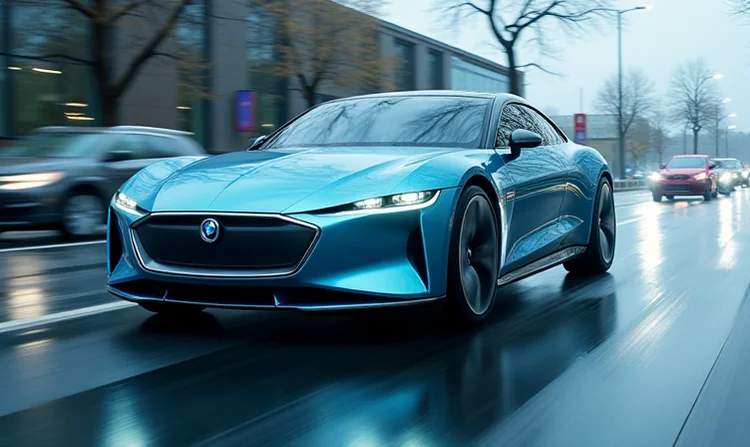
🌐 World experience and the future
In different countries of the world, active work is underway to introduce hydrogen technologies into the automobile industry. Japan, Germany, the USA – these countries already have filling stations for hydrogen cars, and governments actively support this initiative.
Development prospects:
- Global adoption: As infrastructure is built and technology costs fall, the number of hydrogen vehicles is expected to increase.
- Partnerships and Investments: Automotive companies partner with governments and private investors to advance the technology.
- Integration with other modes of transport: Hydrogen fuel cells can be used not only in passenger cars, but also in public transport, trucks, even in air and sea transport.

🎯 Conclusions
In conclusion, hydrogen fuel cells in cars represent one of the most promising technologies in the field of green and sustainable transport. They promise not only to reduce the environmental impact of transport, but also offer real benefits to users, such as longer driving range and faster refueling. Global experience and investment in this industry suggest that we will see even more hydrogen fuel cell cars on the roads in the future.
