🚗 How will autonomous cars change our world?
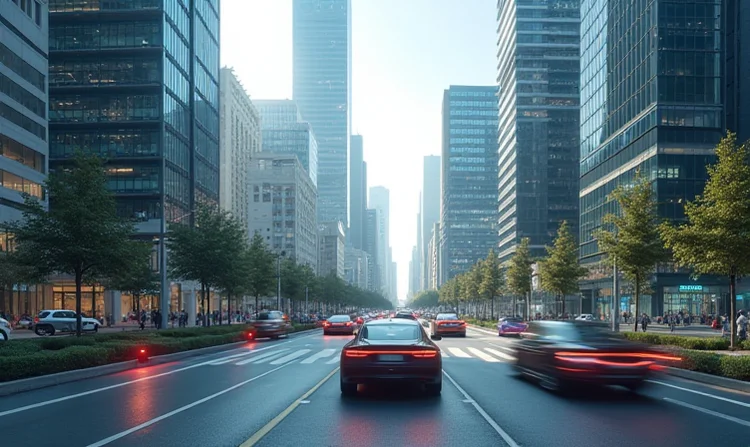
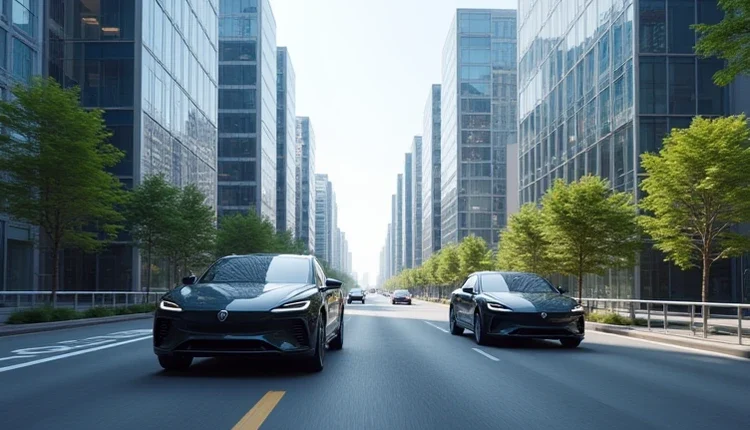
Autonomous cars, or driverless cars, are just around the corner. These innovative vehicles promise to radically change the way we think about getting around. But how exactly do they affect our lives and the infrastructure around us?
🔄 Revolution in the transport system
Safety and accessibility
The most obvious aspect is increased safety. Thanks to advanced technologies and artificial intelligence, autonomous cars can significantly reduce the number of road accidents caused by human error. This is especially important for European countries and the United States, where car traffic is intense and roads are overcrowded.
Impact on infrastructure
Autonomous cars require the adaptation of existing road infrastructure and the creation of new ones. This includes the development of communication networks and navigation systems, the improvement of road signs and markings. Cybersecurity is also increasingly important, since data and transport management will be entirely dependent on software.
Eco-friendly and efficient
Most autonomous vehicles will use electric motors, which will reduce carbon emissions and improve the environmental situation in cities. In addition, driverless cars can use fuel more efficiently, which will reduce overall transport costs.
🚧 Changes in urban planning
Rethinking Urban Space
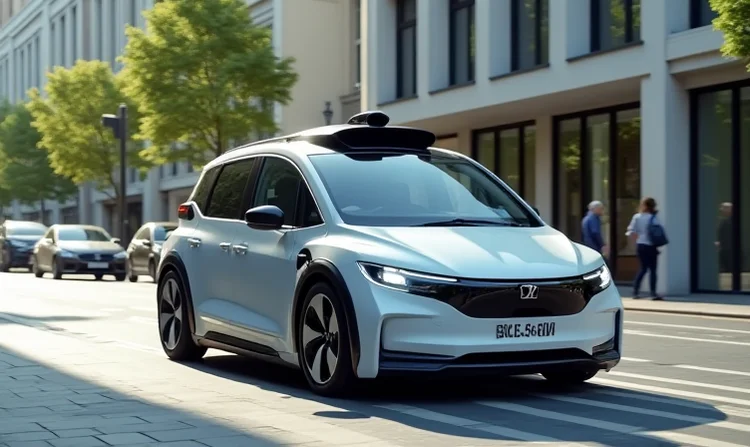
Autonomous cars will rethink the use of urban space. Less need for parking, the possibility of creating new green areas and public spaces – all this will become a reality as the number of private cars on the roads decreases.
New traffic flows
Traffic flows will become more organized and less chaotic. Thanks to the coordinated work of autonomous cars, the number of traffic jams will decrease, which will increase the efficiency of urban transport.
Development of car sharing services
Car sharing and carpooling services will grow in popularity as autonomous vehicles make it easier to access personalized and convenient transportation solutions. This also helps reduce the number of cars on the road and reduce the burden on the environment.
🌍 Impact on society and economy
Transforming the workplace
The advent of autonomous vehicles will see a redistribution of transport jobs. Taxi and truck drivers may face retraining, while demand for robotics, programming, and systems analysis specialists will increase.
The Changing Retail Landscape
Autonomous delivery of goods will change the approach to retail. It will speed up and reduce the cost of delivery, which is especially relevant for Europe and the United States, where online trade is growing rapidly.
Improving transport accessibility for people with limited mobility
Autonomous cars will be a solution for people with disabilities, the elderly and other low-mobility groups, giving them greater independence and mobility.
💡 Innovation and technology development
Advances in AI and Machine Learning
The development of autonomous vehicles is closely linked to breakthroughs in artificial intelligence and machine learning, which give cars the ability to make decisions on their own in complex driving situations.
Improving sensor technologies
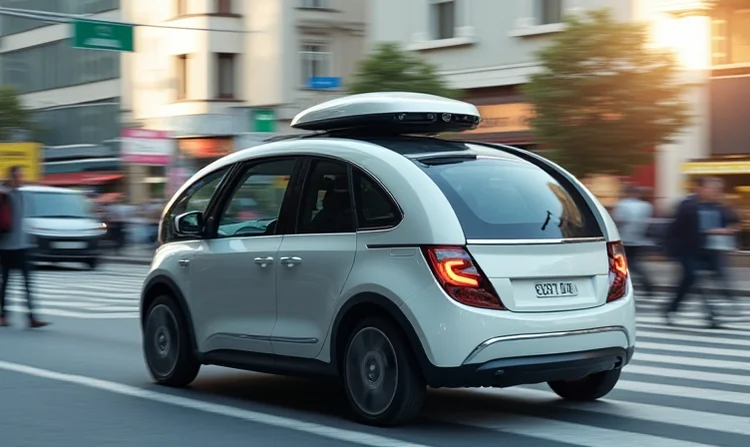
To operate autonomous vehicles safely and efficiently, sensor systems, including radar, lidar, and cameras, need to be continually improved, driving the development of advanced technologies in the automotive industry.
Integration with city technology systems
Autonomous vehicles will integrate with city information systems such as traffic lights and road signs, which will require the creation of new interaction standards and protocols.
🚦 Prospects and challenges
Ethical and legal issues
The development of autonomous vehicles faces a number of ethical and legal challenges. It is necessary to determine who will be held responsible for accidents and incidents involving self-driving cars, and to develop a legal framework for their operation.
Problems of social acceptance
Despite all the benefits, there is skepticism about autonomous cars among the public. It is important to educate the public about the benefits and safety of these technologies to promote their wider adoption.
Technical and infrastructural obstacles
Full integration of autonomous vehicles into everyday life will require modernization of urban infrastructure and an increase in the level of technical reliability of vehicles.