
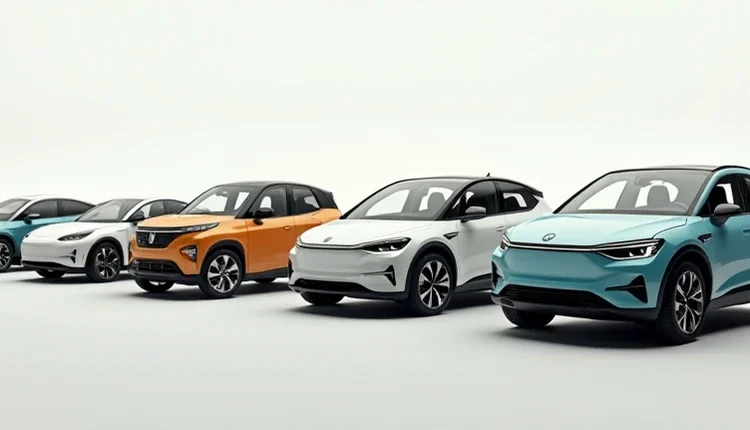
History of electric cars: from the first prototypes to modern models 🚗⚡
Electric cars have evolved significantly over the past decades, evolving from simple prototypes into high-tech vehicles. This journey began in the 19th century and continues to this day, influencing the automotive industry worldwide.
The Early Years of Electric Vehicle Development (Late 19th – Early 20th Century) 🛤️
The first prototypes of electric cars were created in the late 19th century. These early models, although quite primitive compared to modern standards, laid the foundation for the future development of electric vehicles. They used simple electric motors and batteries, which allowed them to travel short distances without emitting pollutants.
Advantages and limitations 🔄
These cars had a number of advantages over their steam and petrol counterparts, including quiet running, no need for a manual starter, and low emissions. However, limited battery capacity and a lack of a well-developed charging infrastructure limited their popularity.
The resurgence of interest in electric vehicles (1960s – 1990s) 🔋
Interest in electric vehicles revived in the second half of the 20th century, largely due to growing awareness of environmental issues and the need to reduce dependence on oil. The development of new technologies, including more efficient batteries and improved electric motors, helped increase the range and overall efficiency of these vehicles.
Advances in battery technology 🧪
Significant improvements in battery technology have allowed electric vehicles to become more practical for everyday use. Lithium-ion batteries, in particular, have offered significant increases in capacity while reducing weight and volume.

The era of modern electric vehicles (2000s – present) 🌐
Since the beginning of the 21st century, electric cars have begun to actively conquer the market. With the emergence of companies such as Tesla, Nissan, and Chevrolet, electric cars have become available to a wide range of consumers, offering advanced technology and increased mileage on a single charge.
Innovations and improvements ⚙️
Today's electric vehicles feature a host of innovations, including autonomous driving, advanced safety systems, smartphone integration, and high-performance electric motors. Improvements in charging infrastructure, including fast charging and a wider network of charging stations, are also helping to popularize electric vehicles.
The Future of Electric Vehicles: Prospects and Challenges 🚀
As technology continues to advance, the future of electric vehicles looks increasingly promising. Research into improving batteries, reducing production costs and increasing the efficiency of electric motors is opening up new opportunities for the sector.
Environmental benefits and sustainable development 🌿
Electric vehicles play a key role in reducing greenhouse gas emissions and combating climate change. They also contribute to sustainable development because they can use electricity from renewable energy sources.

Forecasts and trends for the future 📈
Analysts predict that EV market share will continue to grow by 2024 Increased investment in research and development, as well as ever-improving charging infrastructure, will further drive EV penetration into the mass market.
With the advent of new technologies and materials, even more powerful and efficient electric vehicles will be created, capable of competing with traditional cars not only in environmental friendliness, but also in performance.
Global Markets and the Future of Electric Vehicles 🌍
The situation with electric vehicles is developing differently in different countries around the world. Europe and North America are seeing a strong transition to electric vehicles, while in other regions the process is slower due to economic and infrastructural constraints.
The role of governments and politics 🏛️
Many governments are introducing measures to encourage the purchase of electric vehicles, including tax breaks and subsidies. Plans are also underway to phase out sales of internal combustion engine vehicles, which will encourage automakers to invest in developing electric vehicles.
Economic and environmental aspects 💰🍃
The decreasing cost of producing electric vehicles and increasing their efficiency make them increasingly attractive to consumers. Given the environmental benefits such as zero emissions and the ability to use renewable energy, electric vehicles are becoming a key element in the fight against global climate change.

Conclusion: Electric cars are the drivers of the future 🚀🌏
The history of electric vehicles shows remarkable progress from simple experimental models to modern high-tech vehicles. Given current trends and future innovations, electric vehicles promise to play an even more significant role in the automotive industry and global sustainability efforts.
