
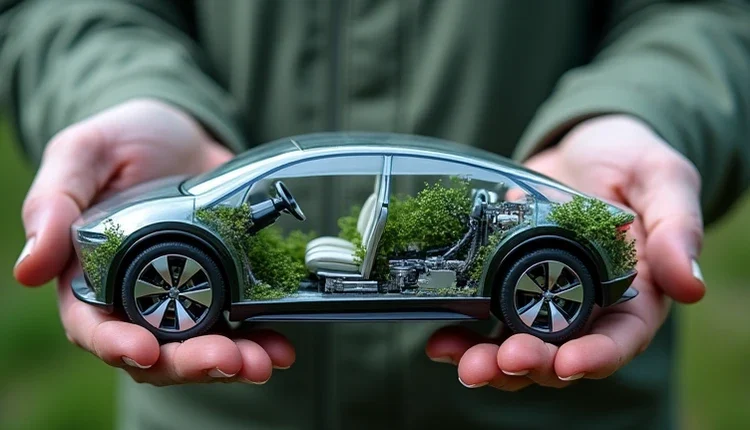
Automotive innovations for improved sustainability
In the modern world, the issue of eco-friendliness of cars is becoming increasingly relevant. Car manufacturers are actively introducing new technologies to reduce harmful emissions and improve fuel efficiency. Let's look at the main innovations in this area.
🌿 Electrification of vehicles
Electrification is one of the main trends in the automotive industry aimed at reducing the carbon footprint:
- Electric cars: All-electric cars produce no CO2 emissions while driving, making them one of the greenest options on the market.
- Hybrid cars: These combine an electric motor with a traditional combustion engine, reducing fuel consumption and emissions.

🌱 Carbon Dioxide Emission Reduction Technologies
Car manufacturers are introducing various technologies to reduce CO2 emissions:
- Improved fuel efficiency. Modern engines are becoming increasingly efficient, which reduces fuel consumption and, consequently, CO2 emissions.
- Start-stop systems: These automatically switch off the engine when the car is stopped and switch it on again when the car starts moving, which reduces the time the engine idles and reduces emissions.
🍃 Using environmentally friendly materials
An important part of the eco-friendliness of cars is the use of sustainable and recycled materials in production:
- Recycled Materials: Many manufacturers have begun using recycled plastics and other materials to reduce their environmental impact.
- Natural and renewable materials: Using natural fibers such as bamboo or linen in the car's interior also helps reduce the ecological footprint.
🚗 Development of fuel-efficient engines
Modern engines are developed with an emphasis on improving fuel efficiency and reducing harmful emissions:
- Low Emission Engines: These engines are optimized to burn fuel more efficiently, resulting in lower emissions of CO2 and other harmful gases.
- Turbocharging and friction-reducing technologies: Innovations such as turbocharging and improved lubricants help engines run smoother and more efficiently.
🌐 Implementation of advanced management technologies
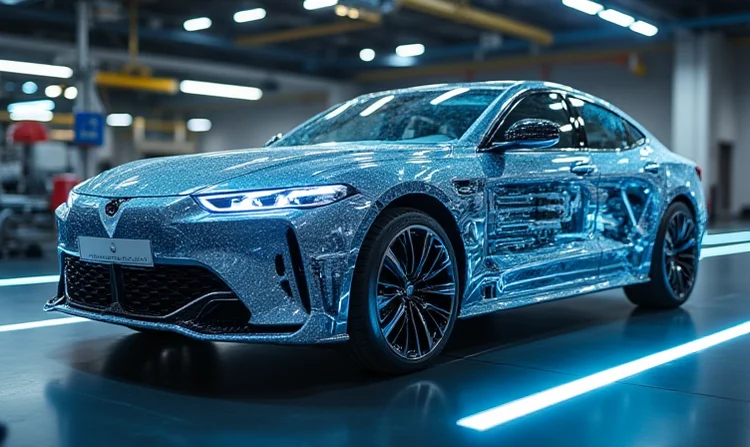
Advanced control technologies help vehicles use energy more efficiently:
- Energy recovery systems. These systems allow energy to be recovered during braking and used to power the vehicle's electrical systems.
- Adaptive control. Adaptive control systems analyze driving style and road conditions, optimizing the operation of the engine and other systems to reduce fuel consumption.
🌞 Use of alternative energy sources
Advances in technology allow vehicles to use alternative energy sources, which helps reduce dependence on fossil fuels:
- Solar panels: Some vehicles are equipped with solar panels that can charge batteries or power auxiliary systems.
- Hydrogen fuel cells: This technology converts hydrogen into electricity, producing water as the only byproduct.
🔄 Recycling and Renewability
The sustainability of cars also depends on their recycling capabilities and the use of renewable materials:
- Easily recyclable materials: Using materials that can be effectively recycled at the end of a vehicle's life reduces the overall environmental footprint.
- Biodegradable materials. Research into biodegradable components for automobiles increases the sustainability and environmental friendliness of vehicles.
📊 Statistics and trends
Low-emission and electric vehicles are gaining popularity, according to research, indicating an increase in demand for eco-friendly vehicles. Efforts to reduce CO2 emissions and other harmful substances continue to be a focus for manufacturers and consumers.
🌱 Improving environmental responsibility in the automotive industry
Automakers are working hard to reduce the environmental impact of all aspects of vehicle production:
- Reducing Waste in Manufacturing: Manufacturers are looking to reduce waste and improve resource efficiency in their factories.
- Green production. Investments in renewable energy and sustainable technologies in production facilities help reduce the overall ecological footprint.
🚀 Innovations in battery technology
The development of battery technologies plays an important role in the greening of cars:
- Improved lithium-ion batteries. They provide longer life, higher capacity and faster charging.
- Research into alternative battery types. For example, batteries based on solid electrolyte or graphene promise even greater capacity and safety.

🌟 Conclusion
Improving the eco-friendliness of cars is not only a trend, but also a necessity in the modern world. The auto industry is actively developing new technologies that make cars more environmentally friendly. From electrification and the use of sustainable materials to innovations in battery technology and environmental responsibility of production, all these efforts are aimed at creating a cleaner and more sustainable future.
