

How to choose the right winter tires for your car
Choosing winter tires is a key point in ensuring safety on the road during the cold season. To make this task easier, we will consider the main aspects of choosing winter tires. Start by studying the offers and choose winter tires for your car here.
🚗 Tire size
The first thing to pay attention to is the tire size. It should correspond to the recommendations of the car manufacturer. The tire size is indicated on the sidewall and includes the width, profile height and diameter.
📏 How to read tire size
Tire size is usually expressed as a series of numbers, such as 205/55 R16, where 205 is the tire width in millimeters, 55 is the aspect ratio as a percentage of the width, and R16 is the wheel diameter in inches.
🌨 Tread type
The type of tread on a winter tire plays an important role in ensuring traction. Tires with deep treads and a large number of sipes (thin cuts) are suitable for snow and ice.
🛣 Road grip
Choose tires with the optimal tread pattern for your type of winter driving, whether it's city roads or snowy rural trails.

🌡 Tire material
Winter tires are made from a special rubber compound that provides flexibility at low temperatures. This improves the tire's grip on the road in cold weather.
🧪 Rubber technologies
Look for tires with technology that helps resist wear and maintain flexibility in cold temperatures.
Continuing with the topic of choosing winter tires for your car, let's look at a few more important aspects that will help you make the right choice and ensure safety on winter roads.
🚘 Winter tire markings
Winter tires have special markings indicating their suitability for winter conditions. Look for the „M+S“ (Mud+Snow) symbol or a snowflake symbol on a mountain background.
❄️ Snowflake symbol
This symbol indicates that the tyres have passed special tests for winter grip and meet winter driving standards.
📊 Load and speed index
Load and speed index is another important aspect of choosing tires. They indicate the maximum permissible load and speed for which the tires are designed.
🛠 How to read the index
The load index is represented by a number, and the speed index is represented by a letter. For example, the index „91V“ means a load of 615 kg per tire and a maximum speed of 240 km/h.
📆 Service life of winter tires
Winter tires have a limited lifespan. Over time, the rubber loses its properties and the tires become less effective in winter conditions.
🔍 Checking the condition of tires
Check the tread depth and check the tyres regularly for cracks or other damage. The minimum standard for winter tyres is 4 mm.
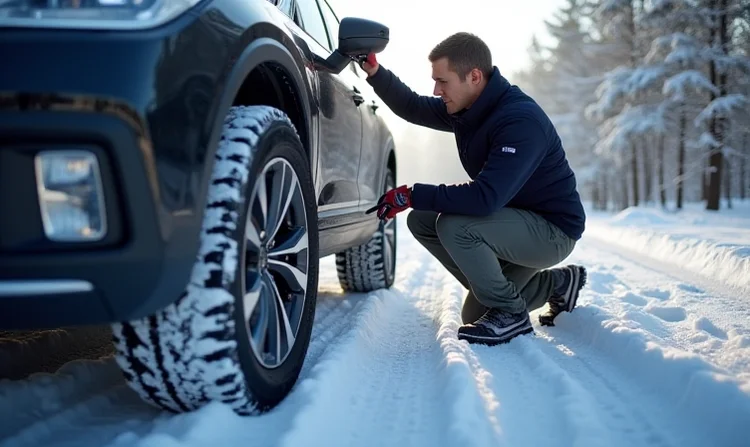
Let's move on to the next important aspects that should be taken into account when choosing winter tires for your car to ensure maximum safety on the road during winter.
🌧 The ability of the tire to resist aquaplaning
In winter, roads are often wet or covered with melting snow, which increases the risk of aquaplaning. Choose tires with good water and slush evacuation.
💧 Tread design
The tire tread must be designed to effectively channel water away from the road and prevent loss of traction.
⚖️ Balance between comfort and performance
When choosing winter tires, it is important to find a balance between ride comfort and performance. Some tires provide better grip but may be noisier on the road.
🚗 Driving style
Consider your driving style and the conditions you will most often use your tires in. Aggressive driving will benefit from higher performance tires, but everyday city driving may benefit from softer options.
🏢 Storage of winter tires
Proper storage of winter tires during the off-season also plays an important role in maintaining their quality and extending their service life.
🛡 Storage tips
Store tires in a cool, dry place away from direct sunlight. Use special tire covers to prevent deformation.

To round off our winter tyre buying guide, here are some final tips and factors to help you make an informed choice and ensure safe driving during the winter months.
🔄 Change tires according to seasons
It is important to remember that winter tires are optimized for cold weather and are not suitable for use in warmer months. Rotating your tires seasonally will improve their performance and extend their life.
☀️ Summer and all- season tires
Do not use winter tires in the summer, as this may result in poor vehicle handling and increased fuel consumption.
🛠 Professional installation and balancing
When installing winter tires, it is recommended to contact professionals. Correct installation and wheel balancing will provide better traction and reduce the risk of wear.
💼 Tools and equipment
Make sure you have the necessary tools to change your tires, including a jack and lug wrench.
🚦 The Importance of Winter Tires for Safety
Winter tyres significantly improve driving safety during the winter months by providing better traction on snow and ice and reducing braking distances.
🔍 Checking tires before the season
Before the winter season begins, check the condition of your tires, including tread depth and tire pressure.

In conclusion, the correct choice and use of winter tires is crucial for safety on winter roads. Taking into account all the above factors, you will be able to ensure reliable grip and control of your car even in the most difficult weather conditions. Do not forget to choose winter tires for your car so that your ride is safe and comfortable.
